When mentioning Vietnam Tailor, many international travelers think not only of a perfectly fitted suit at a reasonable price, but also of the story behind a traditional craft that has existed for hundreds of years—continuously adapting to meet the demands of the modern era.
From traditional tailoring villages to bespoke tailor shops serving international clients in Hoi An, Ho Chi Minh City, and Hanoi, Vietnam Tailor represents a unique combination of:
-
Long-standing craftsmanship
-
Asian refinement and aesthetics
-
Modern fashion thinking and advanced tailoring techniques
This article takes you on a complete journey: how Vietnam Tailor was formed, how it evolved, and why it is now considered an ideal tailoring destination on the global fashion map.
1. The Origins of Traditional Tailoring in Vietnam
1.1 Tailoring in Ancient Vietnamese Culture
Since ancient times, tailoring has been deeply embedded in Vietnamese daily life through garments such as:
-
Ao Dai
-
Ao The, Ao Tac
-
Traditional ceremonial and everyday clothing
Tailoring was not merely a survival skill but a symbol of dexterity, precision, and aesthetic sensibility. Many families passed down tailoring skills through generations, forming hereditary tailor lineages—laying the foundation for what we now recognize as Vietnam Tailor.
1.2 Traditional Tailoring Villages and Their Historical Role
Well-known tailoring villages historically emerged in:
-
Hanoi and the Red River Delta
-
Hue – the cultural center of the Nguyen Dynasty
-
Hoi An – an international trading port since the 16th century
These villages not only served domestic needs but also had early contact with foreign merchants, creating opportunities to absorb Western tailoring techniques and styles.
2. Western Influence on Vietnam Tailor
2.1 The French Colonial Period and a Shift in Tailoring Mindset
The introduction of suits, blazers, and trousers marked a major turning point. Vietnamese tailors began to:
-
Learn Western pattern cutting techniques
-
Apply European suit structures
-
While preserving craftsmanship and flexibility
This period marked the formation of Vietnam Tailor’s unique identity—not copying Western tailoring entirely, but adapting it to better suit Asian body proportions.
2.2 East–West Fusion in Tailoring Techniques
Unlike industrial tailoring, Hoi An Tailor developed with a focus on:
-
Flexible silhouettes
-
Individual personalization
-
Prioritizing comfort over rigid standards
This fusion allows Hoi An tailors to easily adapt to various styles—from classic Italian and British tailoring to modern American aesthetics.
3. Vietnam Tailor and the Rise of Hoi An
3.1 Hoi An – An International Tailoring Destination
Hoi An became a center of Hoi An Tailor thanks to:
-
Its history of international trade
-
Rapid tourism development
-
A strong base of skilled tailors
Today, when searching for “Vietnam Tailor,” Hoi An is consistently one of the most mentioned destinations on Google.
3.2 Why International Travelers Trust Vietnam Tailor in Hoi An
International clients choose Vietnam Tailor in Hoi An because of:
-
Fast turnaround times while maintaining proper fitting
-
Reasonable prices compared to bespoke tailoring in Europe
-
Strong English communication
-
A highly personalized experience
They are not just purchasing a suit—they are investing in a complete tailoring experience.
4. The Difference Between Vietnam Tailor and Industrial Tailoring
In the age of fast fashion, many people ask: Why choose Vietnam Tailor instead of buying a mass-produced suit?
The answer lies not in price, but in craft philosophy, experience, and long-term value. The difference becomes evident at every stage—from measurement and construction to the final wearing experience.
4.1 Vietnam Tailor – Made for One Individual Only
The core value of Hoi An Tailor lies in one principle: each garment is made for one body only.
Tailors take precise measurements, observe posture, movement, and daily habits before cutting the fabric.
Industrial tailoring relies on standard sizes (S, M, L, XL) based on averages, forcing customers to accept compromises such as:
-
Shoulders fit but the waist is loose
-
Sleeves are correct but the jacket is too short
-
Looks acceptable but never truly comfortable
Hoi An Tailor eliminates these compromises by creating a truly individual silhouette.
4.2 Handcrafted Process vs Mass Production Lines
A suit from Hoi An Tailor is completed through multiple handcrafted stages:
-
Custom pattern cutting
-
Sequential hand assembly
-
Multiple fittings and refinements
Each step involves direct oversight by the master tailor responsible for final quality.
In contrast, industrial tailoring operates via production lines:
-
Each worker handles only one task
-
Little to no personal fitting
-
Speed and quantity are prioritized
This difference allows Hoi An Tailor to maintain far greater quality control, especially in crucial small details.
4.3 Level of Personalization in Design and Style
Vietnam Tailor allows clients to actively participate in design decisions:
-
Lapel styles and button choices
-
Jacket fit and length adjustments
-
Adaptation to personal style and usage environment
Tailors do not impose fixed templates but adapt the suit to truly belong to the wearer.
Industrial suits offer limited predefined options, often resulting in garments that look good on mannequins but lack personality on real people.
4.4 Wearing Comfort – The Most Noticeable Difference
The biggest difference becomes apparent after several hours of wear, not in front of a mirror. A Vietnam Tailor suit:
-
Does not strain the shoulders when lifting arms
-
Does not restrict movement when sitting or walking
-
Maintains its shape throughout the day
Industrial suits may look fine initially but often cause discomfort, stiffness, or shape loss with extended wear. This is why those who experience Vietnam Tailor rarely return to off-the-rack suits.
4.5 Durability and Long-Term Value
Vietnam Tailor suits are built for longevity:
-
Strong, consistent stitching
-
Adjustable as the body changes
-
Structural integrity over time
Industrial suits prioritize cost efficiency, leading to:
-
Shorter lifespan
-
Limited alteration potential
Over time, Vietnam Tailor delivers greater long-term value, even if the initial investment is slightly higher.
4.6 Craft Philosophy – A Difference That Cannot Be Replicated
Vietnam Tailor is not merely a service but a philosophy:
-
Human-centered craftsmanship
-
Comfort and experience prioritized
-
Long-term client relationships
Mass production, while efficient, cannot replace the personal connection and craftsmanship inherent in Vietnam Tailor.
4.7 Why More People Are Choosing Vietnam Tailor
In an era defined by “fast, cheap, and mass-produced,” Vietnam Tailor represents:
-
Intentional slowness
-
Quality over quantity
-
Clothing that reflects individuality
That is why Vietnam Tailor not only survives but continues to earn the trust of international travelers and bespoke tailoring enthusiasts.
5. The Modern Tailoring Process of Vietnam Tailor
The modern tailoring process is where tradition and innovation truly meet within the Vietnam Tailor industry. Today’s Vietnam Tailor is no longer defined by a simple “measure–sew–deliver” approach. Instead, it is a structured, client-centered journey designed to create garments that fit the body, lifestyle, and personal style of each individual. This process reflects the professionalism, adaptability, and global standards that Vietnam Tailor services are now known for.
5.1 Initial Consultation – Building the Foundation of a Perfect Garment
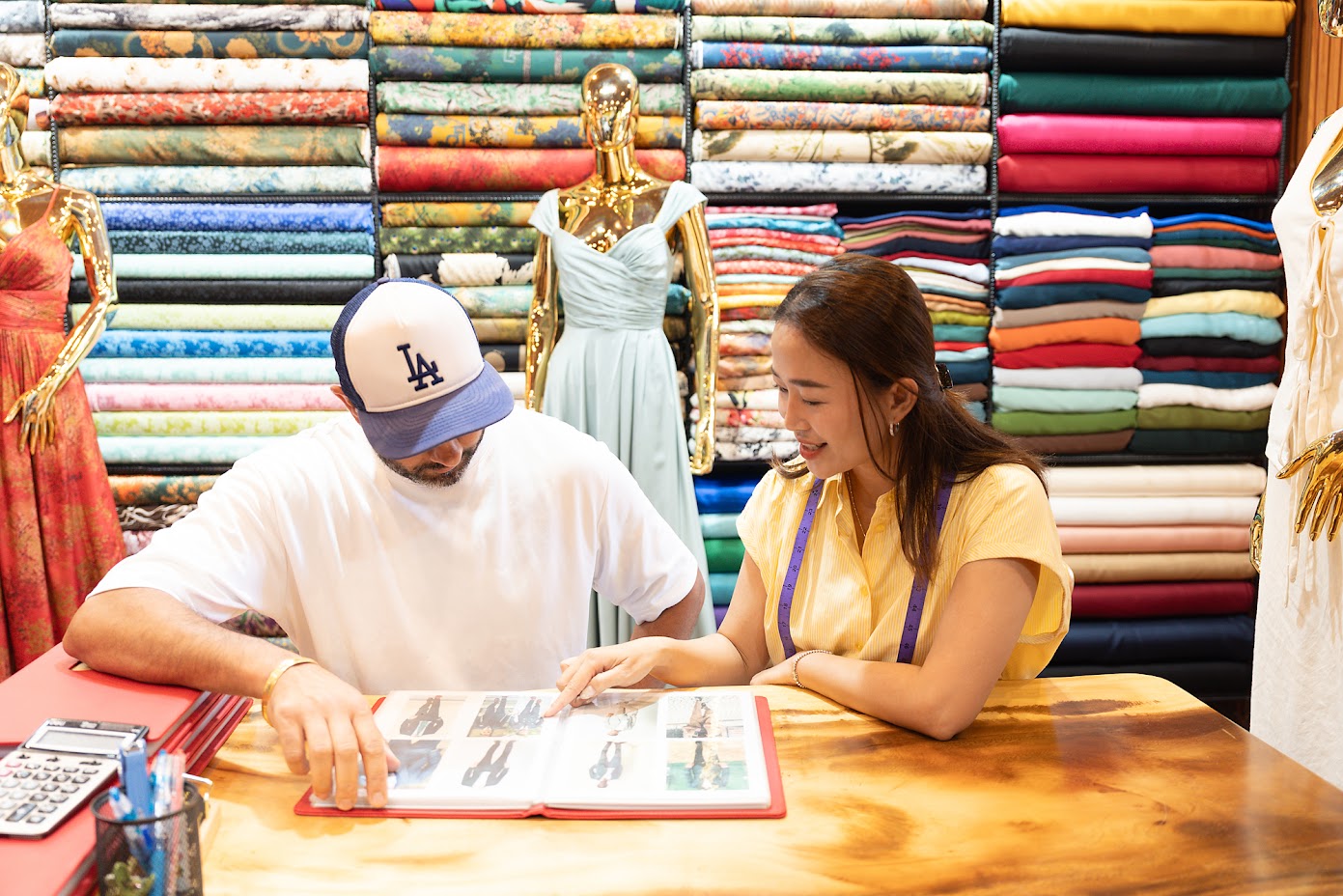
Every successful tailoring project begins with a detailed consultation. A professional Vietnam Tailor prioritizes conversation before measurements, taking time to understand the client’s needs, expectations, and preferences. During this stage, the tailor discusses:
-
The purpose of the garment (business, wedding, events, travel)
-
Personal style and aesthetic preferences
-
Daily movement habits and comfort requirements
-
Climate and destination where the garment will be worn
-
Budget expectations and long-term usage
This consultation allows the Vietnam Tailor to align technical decisions with real-life use, ensuring the final garment is not only stylish but also practical and comfortable.
5.2 Precision Measurement – Beyond Numbers and Tape Measures
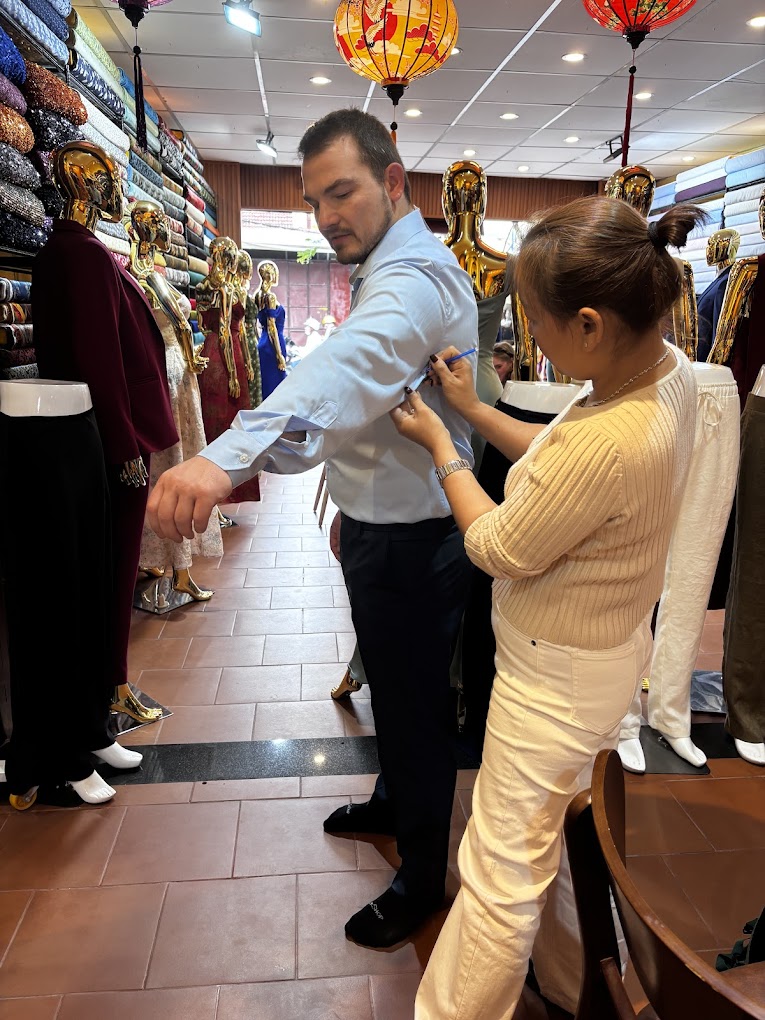
In the modern Vietnam Tailor process, measurement is both a technical and observational skill. While precise body measurements are essential, experienced tailors go further by analyzing posture, shoulder slope, stance, and body symmetry.
A professional Vietnam Tailor observes:
-
How the client stands and walks
-
Natural posture and spinal alignment
-
Shoulder balance and arm movement
-
Differences between the left and right side of the body
These insights allow the tailor to adjust patterns in ways that standard size charts or machines cannot, resulting in a garment that feels natural rather than restrictive.
5.3 Fabric Selection – Matching Material to Lifestyle and Climate
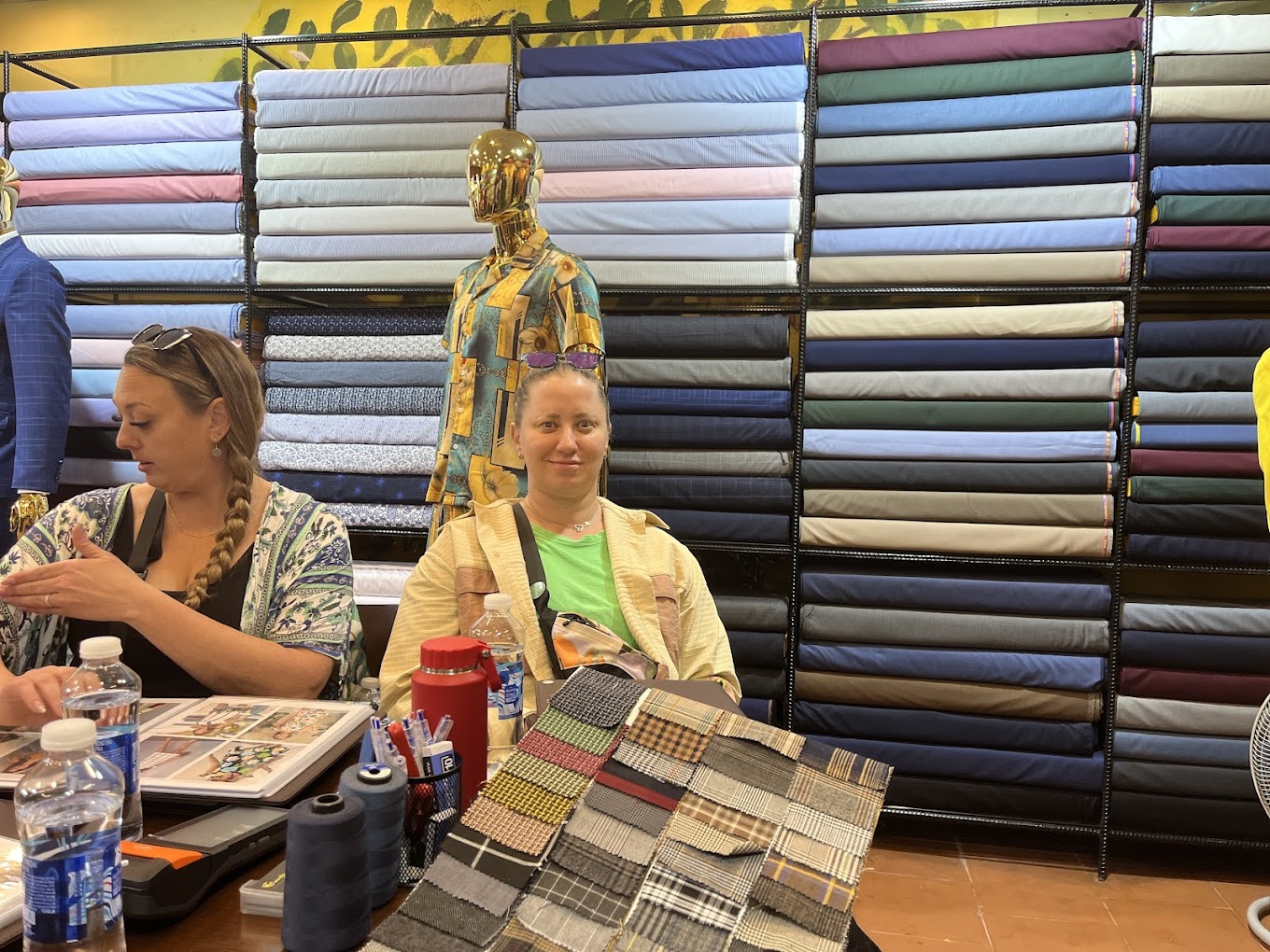
Fabric selection is a critical step in the modern Vietnam Tailor process. Rather than focusing solely on appearance, professional tailors guide clients toward fabrics that suit their environment and daily routines.
During this stage, the Vietnam Tailor explains:
-
Fabric weight and breathability
-
Seasonal suitability
-
Durability and maintenance requirements
-
How the fabric will age over time
This transparent approach ensures that the chosen fabric supports comfort, longevity, and performance—key elements of high-quality bespoke tailoring.
5.4 Custom Pattern Cutting – Translating Measurements into Structure
Once measurements and fabric choices are finalized, the Vietnam Tailor creates a custom pattern specifically for the client. This step transforms numerical data into a three-dimensional structure tailored to the individual body.
Custom pattern cutting determines:
-
Overall proportions and balance
-
Jacket length and waist suppression
-
Sleeve angle and mobility
-
Trouser rise and leg shape
Unlike mass-produced garments, this personalized pattern serves as the blueprint for a truly bespoke fit, significantly reducing the need for excessive alterations later.
5.5 Fitting Sessions – Refining Fit Through Collaboration
Fitting sessions are at the heart of the Hoi An Tailor experience. A modern tailoring process typically includes two to three fittings, each serving a distinct purpose.
During fittings, the Vietnam Tailor evaluates:
-
Shoulder alignment and chest balance
-
Waist shaping and jacket drape
-
Sleeve and trouser length
-
Comfort during movement and sitting
Clients are encouraged to move naturally—walking, sitting, and raising their arms—so adjustments can be made based on real-world wear. This collaborative process ensures that both technical accuracy and personal comfort are achieved.
5.6 Detail Customization – Defining Personal Style
Modern Vietnam Tailor services place strong emphasis on detail customization. Clients have the opportunity to personalize nearly every aspect of their garment, including:
-
Lapel style and width
-
Button placement and selection
-
Pocket design and lining choices
-
Stitching details and finishing touches
These details allow the garment to reflect the client’s personality and lifestyle, transforming a well-fitted suit into a truly personal statement.
5.7 Final Construction and Quality Control
After fittings and adjustments, the garment enters the final construction phase. At this stage, the Vietnam Tailor focuses on precision and consistency, ensuring that every seam, edge, and detail meets professional standards.
Before delivery, experienced tailors conduct a thorough quality check, verifying:
-
Structural balance and clean lines
-
Secure stitching and reinforced stress points
-
Symmetry and finishing accuracy
This step guarantees that the final garment reflects the craftsmanship and reliability associated with reputable Vietnam Tailor services.
5.8 Delivery and Aftercare – Extending the Tailoring Relationship
The modern Vietnam Tailor process does not end at delivery. Professional tailors provide guidance on garment care, storage, and future adjustments. Many Hoi An Tailors also retain client measurements for future orders, enabling seamless repeat services or remote tailoring support.
This long-term approach emphasizes relationship-building rather than one-time transactions, reinforcing the value and sustainability of bespoke tailoring.
6. Fabrics and Transparency in the Vietnam Tailor Industry
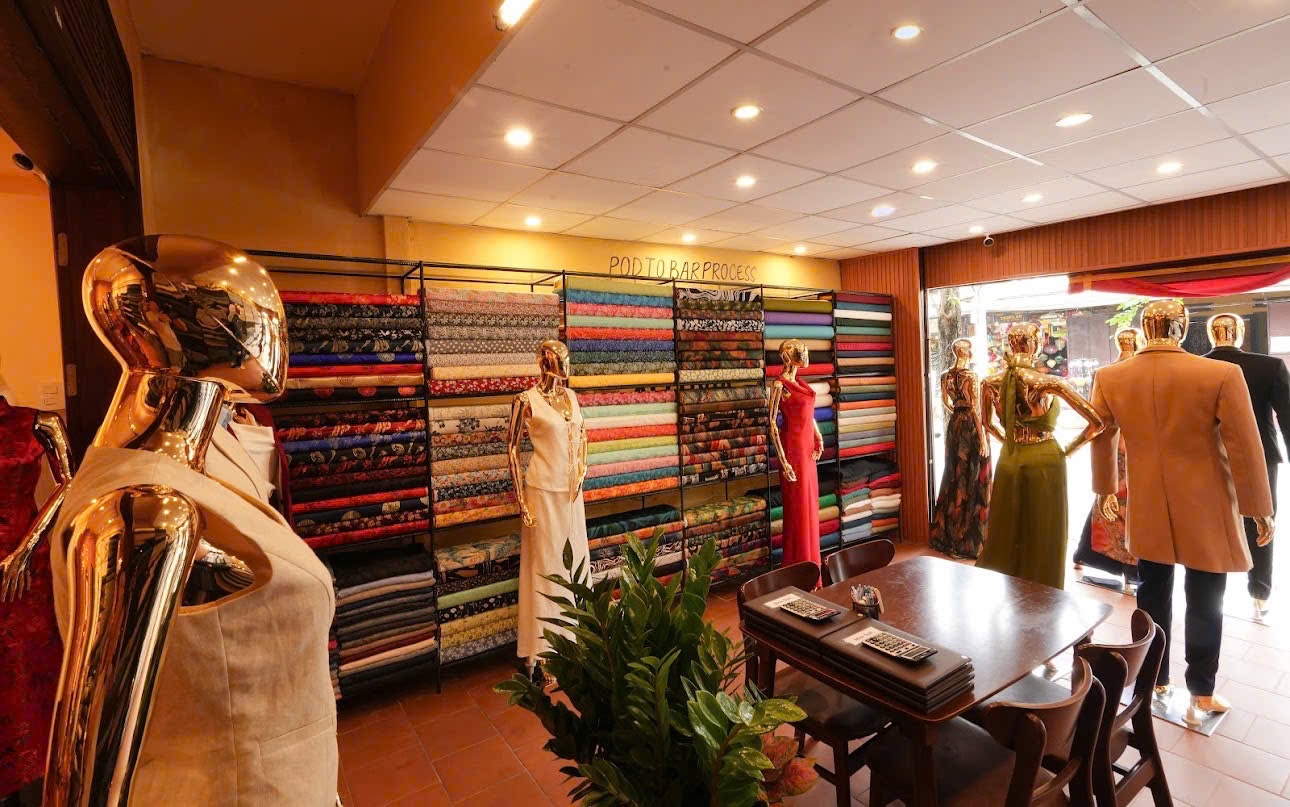
In the world of bespoke tailoring, fabric is not just a material—it is the foundation of comfort, durability, and overall value. Within the Vietnam Tailor industry, fabric selection and transparency have become defining factors that separate truly professional tailors from mass-market or tourist-oriented shops. As international clients grow more knowledgeable, transparency around fabrics is no longer optional; it is essential to long-term trust and reputation.
6.1 Why Fabric Quality Matters in Hoi An Tailor Services
A well-cut suit can only reach its full potential when paired with the right fabric. In the Hoi An Tailor industry, fabric quality directly affects:
-
Breathability in tropical and humid climates
-
How well the suit drapes and holds its shape
-
Long-term durability after repeated wear
-
Comfort during long hours of movement
Experienced Vietnam Tailors understand that different clients require different fabric solutions. A suit for daily office wear, a wedding, or travel will each demand a different balance between weight, structure, and softness. This understanding is a core part of professional tailoring, not a sales tactic.
6.2 Common Fabric Categories Used by Vietnam Tailors
Modern Vietnam Tailor shops typically offer a wide range of fabrics, including:
-
Wool blends for versatility and structure
-
Lightweight tropical wool for hot climates
-
Linen and cotton for casual or summer wear
-
Premium imported fabrics for clients seeking luxury finishes
A trustworthy Vietnam Tailor explains the characteristics of each fabric clearly, including how it performs over time. Rather than pushing the most expensive option, skilled tailors focus on matching fabric choice to the client’s lifestyle and expectations.
6.3 The Challenge of Fabric Mislabeling in the Industry
One of the biggest challenges within the Vietnam Tailor industry is fabric mislabeling. Some shops may use vague or misleading terms to create the impression of higher quality than what is actually offered. This can lead to unrealistic expectations and disappointment after delivery.
Professional Hoi An Tailors address this issue by:
-
Clearly stating fabric composition
-
Avoiding confusing or exaggerated terminology
-
Allowing clients to feel and compare fabrics directly
-
Explaining price differences transparently
This level of honesty protects both the client and the reputation of the tailor.
6.4 Transparency as a Sign of a Professional Hoi An Tailor
Transparency is one of the strongest indicators of a reputable Vietnam Tailor. Open communication about fabric origin, composition, and limitations helps clients make informed decisions. Instead of promising perfection, professional tailors explain what a fabric can and cannot do.
This approach builds confidence and reduces misunderstandings, especially for international customers who may be unfamiliar with tailoring terminology. Transparency also reinforces the idea that Vietnam Tailor services are based on craftsmanship and integrity, not quick sales.
6.5 Fabric Selection Based on Climate and Usage
Vietnam Tailors who work with global clients understand that fabric performance is just as important as appearance. Tailors often recommend:
-
Lighter fabrics for travelers and warm climates
-
More structured fabrics for formal or business settings
-
Breathable materials for all-day wear
By tailoring fabric choices to real-world conditions, Vietnam Tailors help ensure that suits remain comfortable and wearable long after the client leaves Vietnam.
6.6 Educating Clients as Part of the Tailoring Experience
A defining trait of high-quality Vietnam Tailor services is client education. Rather than overwhelming customers with technical jargon, professional tailors guide them through fabric choices in a practical and understandable way.
This educational approach allows clients to:
-
Understand what they are paying for
-
Set realistic expectations for wear and maintenance
-
Feel confident in their final decision
Education transforms the tailoring process from a transaction into a meaningful experience.
6.7 Long-Term Trust Through Fabric Transparency
In today’s competitive tailoring market, long-term success depends on trust. Vietnam Tailors who prioritize transparency in fabric selection often benefit from:
-
Repeat international clients
-
Positive reviews and word-of-mouth referrals
-
Strong brand credibility
Fabric transparency is not just about honesty—it is a strategic investment in reputation and sustainability within the Vietnam Tailor industry.
7. Vietnam Tailor in the Era of Tourism and Digitalization
7.1 Websites, SEO, and International Clients
Today’s Vietnam Tailor thrives through:
-
SEO-optimized websites
-
Google Reviews
-
Detailed educational content
Clients research thoroughly before committing.
7.2 Global Personalized Experiences
Modern Vietnam Tailors offer:
-
Measurement retention
-
Remote alteration support
-
International shipping
8. Common Misconceptions About Vietnam Tailor
-
“Fast tailoring equals low quality” → Not always true
-
“Low price means poor fabric” → Depends on transparency
-
“All suits look the same” → False—details matter
9. The Future of Vietnam Tailor
Vietnam Tailor is moving toward:
-
International bespoke standards
-
Sustainable fashion practices
-
Premium customer experiences
Not just a tourist service, but a long-term tailoring partner.
10. Why Vietnam Tailor Continues to Hold Its Value
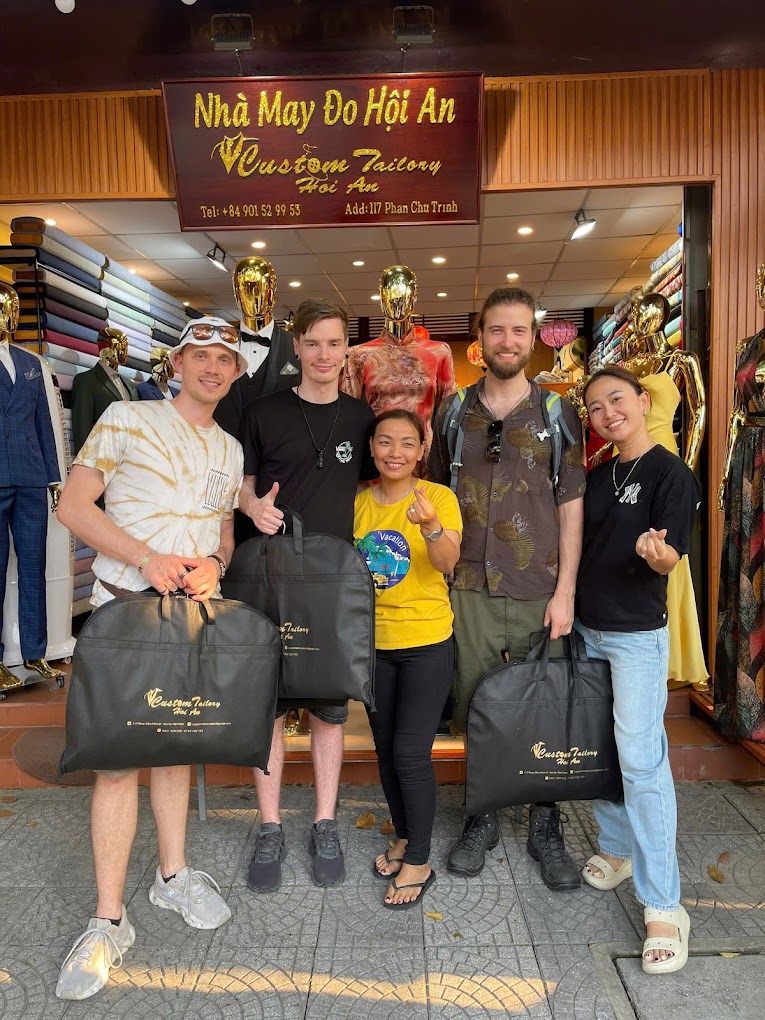
In the age of fast fashion, Tailor Hoi An represents:
-
Intentional craftsmanship
-
Skilled artisanship
-
Personalized experiences
FAQs
1. Why should I choose a Vietnam Tailor over buying off-the-rack (industrial) clothing?
Unlike mass-produced off-the-rack clothing based on standard sizes (S, M, L) that often force the wearer to compromise on fit, a Vietnam Tailor creates garments made exclusively for one individual. The custom pattern cutting and handcrafted process are tailored exactly to your measurements, posture, and daily movements, delivering absolute comfort, a precise silhouette, and superior durability over time.
2. Does the fast turnaround time at tailor shops in Vietnam compromise the quality of the product?
This is a common misconception. In reality, professional Vietnam Tailor services perfectly combine long-standing craftsmanship with modern workflows. Despite the quick completion time, every garment must go through the full process: detailed consultation, custom pattern cutting, 2 to 3 fitting sessions for refinement, and strict quality control by a master tailor before being delivered to the client.
3. How do I know if I am choosing the right fabric at a Vietnam Tailor?
Fabric transparency is a top standard of a reputable Vietnam Tailor. The tailor will not push you to choose the most expensive option, but will instead advise you based on the garment’s purpose, as well as the environment and climate where you live. You will receive clear explanations regarding fabric composition, breathability, drape, and maintenance (e.g., tropical wool for hot climates, linen for casual wear), empowering you to make a confident and worthwhile investment.
That is why more people choose Vietnam Tailor not just once, but as part of their long-term style journey.
📍 Address: 117 Phan Chu Trinh, Hoi An, Da Nang – Google Map
📞 Hotline: 0901 529 953
🌐 Fanpage: Here
🌐 Website: https://www.customtailoryhoian.com/