Premium bespoke clothing — the fabric you choose, the precision of the fit, and the skill of the tailor in Hoi An — directly determines both your appearance and your confidence. However, not every garment made to measure actually delivers the quality customers expect. The material, the cutting technique, and the finishing process all affect how well a piece fits, how attractive it looks, and how long it lasts. The article below will help you understand the elements that make up truly premium bespoke clothing, giving you a stronger basis for choosing the right tailoring service for your needs.
1. What Is Premium Bespoke Clothing?
Premium bespoke clothing refers to garments designed and cut specifically according to each customer’s measurements, body shape, and intended use. Unlike ready-to-wear clothing, which is mass-produced according to a fixed set of standard sizes, every piece of bespoke clothing is a one-of-a-kind product. From selecting the fabric and taking measurements to every single stitch, everything is done by hand or with the assistance of skilled craftsmanship.
The word “premium” in bespoke clothing doesn’t just refer to price — it refers to the overall quality of the finished product. A truly premium bespoke garment must satisfy three conditions at once: high-quality material, an accurate fit, and meticulous finishing technique. If even one of these three elements is missing, the product — no matter how much it’s marketed as “custom-made” — falls short of premium standards.
1.1. The Difference Between Bespoke and Ready-to-Wear Clothing
Ready-to-wear clothing is produced on an industrial scale, based on average sizing charts drawn from a broad population. This means such garments often struggle to hug the body and flatter an individual figure, especially for people with less typical body shapes. Premium bespoke clothing, on the other hand, is designed around each customer’s actual measurements — chest, waist, sleeve length, and more.
Beyond the measurements themselves, bespoke clothing also lets customers choose their own fabric, collar style, pocket design, and color combinations according to personal taste. This is something ready-to-wear simply cannot offer, since it’s limited to whatever designs are already in stock. It’s precisely this level of personalization that gives premium bespoke clothing a value that goes far beyond an ordinary piece of clothing.
1.2. Why Are More and More People Choosing Bespoke Clothing?
Over the past several years, the trend toward premium bespoke clothing has grown increasingly popular, especially among people whose work demands a polished appearance — business owners, media professionals, or anyone preparing for an important occasion such as a wedding. A perfectly fitted suit or áo dài gives the wearer far more confidence than an ill-fitting, off-the-rack outfit ever could.
Beyond aesthetics, many people choose bespoke clothing because of its durability. Premium bespoke garments generally use better materials and are finished with greater care, so they tend to last much longer than ready-to-wear pieces in the same price bracket. This is also why, despite the higher upfront cost, so many customers remain willing to pay for it.
2. Material — The Factor That Determines the Value of Premium Bespoke Clothing
Fabric is the first factor, and also the one that most directly affects the value of a piece of premium bespoke clothing. Given the same design and the same tailor, a different fabric can completely change how a garment feels to wear, how long it lasts, and how it looks. This is exactly why reputable tailor shops always take time to carefully consult with customers about fabric before ever picking up the scissors.
A common mistake is for customers to focus only on price and overlook fabric quality. Cheap fabric tends to have poor elasticity, wrinkles easily, and fades quickly after just a few washes. Good-quality fabric, while more expensive, holds its shape for longer, breathes well, and stays comfortable to wear over extended periods.
2.1. Commonly Used Fabrics
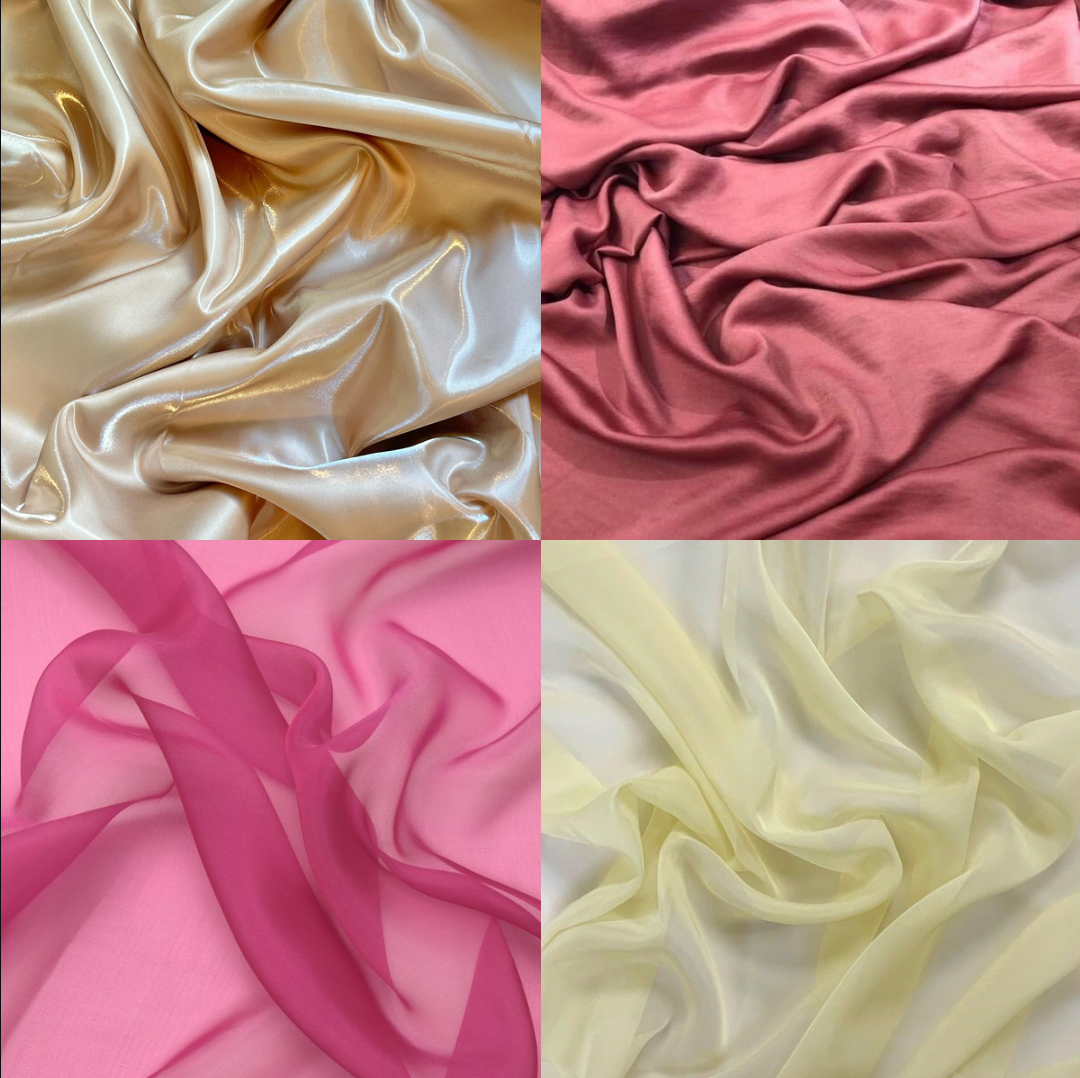
In the tailoring industry, some of the most commonly used fabrics include wool, silk, cotton, and linen. Wool is typically used for suits and jackets thanks to its durability, structured shape, and ability to hold a crease — making it well suited to cooler climates or air-conditioned environments. Silk offers a soft, luxurious feel and is often chosen for áo dài or eveningwear.
If you’re interested in learning more about custom-made áo dài, read our guide on Hoi An Ao Dai Tailor – Traditional Custom Ao Dai for insights into fabrics, tailoring techniques, and tips for choosing the right design.
Cotton and linen are popular choices for everyday clothing such as shirts and dresses, or for summer wear, thanks to their breathability and sweat-absorbing properties. Beyond these standard fabrics, many workshops also stock organic cotton to serve customers who care about sustainability. This variety of materials makes it easy for customers to find a fabric suited to both their intended use and their budget.
For customers who love traditional dress, silk is also a popular choice for making ao dai. You may want to check out the related article on Hoi An ao dai tailoring for more on the process, materials, and tips for choosing the right ai dai
2.2. Criteria for Choosing the Right Material
To choose the right fabric, you first need to be clear about what the garment will be used for. For a business suit or an outfit meant for an important event, wool or wool-blend fabric is preferable thanks to its durability and ability to hold its shape. For everyday clothing in a hot, humid climate, cotton or linen will be a far more comfortable choice. Choosing the right material is the foundation for creating premium bespoke clothing that is both aesthetically pleasing and comfortable to wear.
Beyond considering the intended use, customers should also touch and feel the fabric directly before making a decision. High-quality fabric usually has a moderate softness — neither too stiff nor too thin — and resists wrinkling when lightly crumpled. This is also why reputable tailor shops always let customers see and physically handle fabric samples before cutting, rather than relying solely on photos.
If you’re looking for a reliable address that offers a wide range of fabrics and a professional consultation process for suits, take a look at the article on Reliable Custom Suit Tailor in Hoi An – Custom Tailory Hoi An — for more insight into choosing and owning premium bespoke clothing suited to your needs.
3. Accurate Fit — The Foundation of a Well-Fitted Garment
If fabric determines how a garment feels and how long it lasts, then fit determines how it looks. No matter how good the fabric is, if the fit isn’t precise, the finished garment will still look off and unnatural when worn. This is exactly why measuring and fitting are considered among the most critical steps in the entire tailoring process.
3.1. The Process of Taking Accurate Measurements
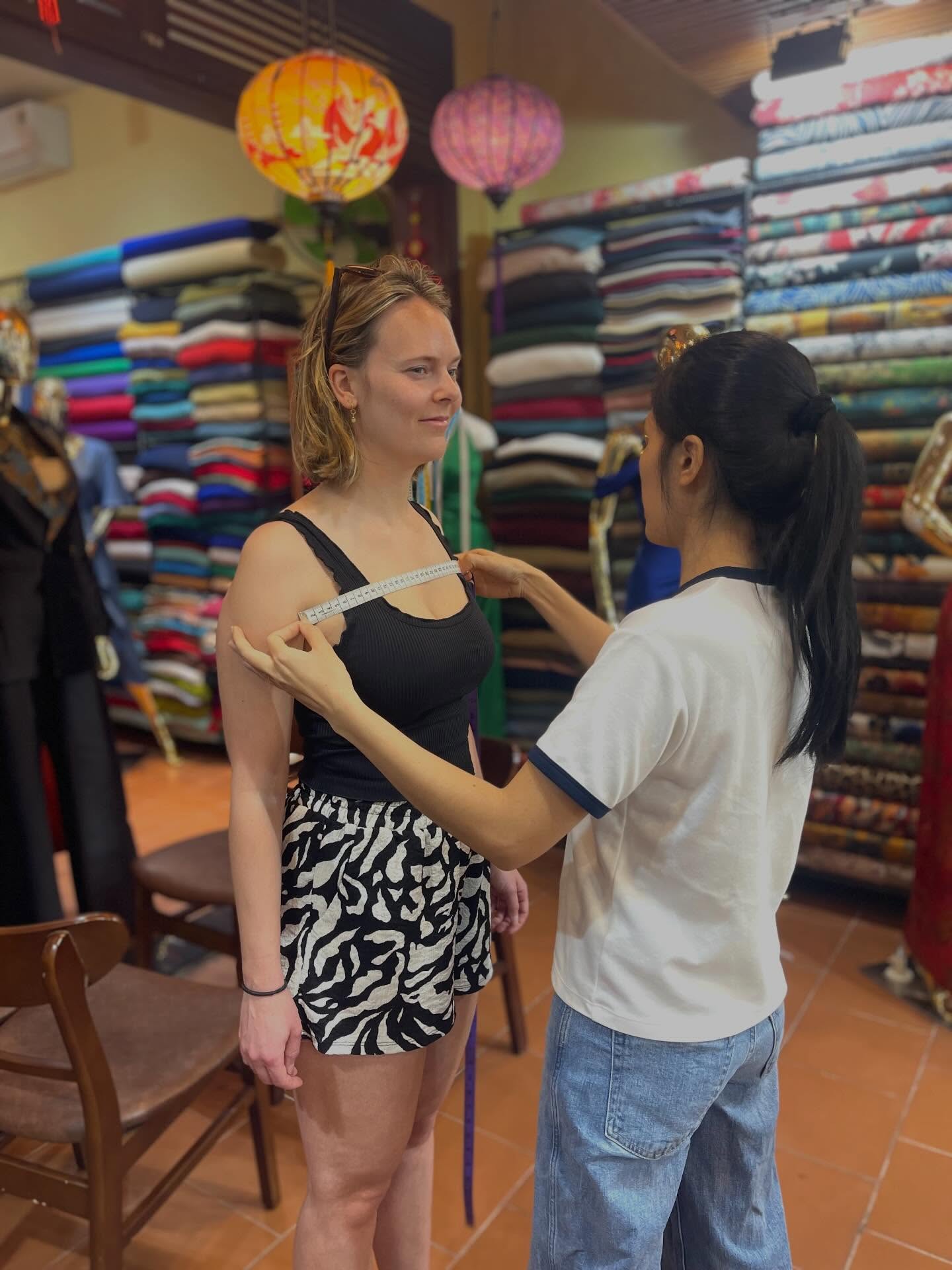
An accurate measuring process goes well beyond a handful of basic numbers like chest, waist, or height. An experienced tailor will also measure details such as shoulder width, arm length, the curve of the back, and even the customer’s natural standing posture. These measurements are used to create a pattern unique to each individual, rather than applying the same template to different customers.
After taking measurements, many workshops also have customers try on a rough mock-up before the final garment is completed. This fitting step helps catch any issues early so they can be corrected in time, rather than discovering flaws only after the piece is finished. This is also a clear point of distinction between premium bespoke tailoring and rushed, careless tailoring services that skip the checking process altogether.
3.2. Adjusting the Fit to Each Body Type
Every person has a different body shape, and truly premium bespoke clothing must know how to highlight strengths while minimizing areas of imbalance. For example, for someone with broad shoulders, a tailor might adjust the shoulder seam to create a more harmonious silhouette. For someone with a narrow waist, the back panel might be tailored with a slight waist taper to flatter the figure while still allowing comfortable movement.
Adjusting the fit requires hands-on experience far more than theoretical knowledge. This is also why a tailor’s skill matters just as much as the fabric itself in creating a complete, well-made bespoke garment. The next section of this article will look more closely at that skill factor.
4. How Does a Tailor’s Skill Affect the Quality of the Finished Garment?
If fabric and measurements are the raw materials, then a tailor’s skill is what determines whether those materials become a finished product truly worthy of being called premium bespoke clothing. Given the exact same fabric and the exact same measurements, two different tailors can still produce two garments with noticeably different levels of quality.
4.1. The Role of Cutting Technique
Cutting technique determines the final shape of the finished garment. A skilled tailor knows how to cut fabric along the correct grain, avoiding a garment that loses its shape or shrinks unevenly after washing. Beyond that, the technique used to join fabric pieces together also directly affects how well a garment hugs the body and how comfortable it is to move in.
One small but important detail is how curved areas of the body — the shoulders, armpits, and waist — are handled. These are some of the most difficult areas to cut and sew, requiring years of experience to handle smoothly without creating any restriction when worn. This is also a clear point of distinction between a seasoned tailor and someone new to the trade.
4.2. Meticulous Stitching
Beyond cutting technique, the care put into every single stitch also plays a major role in the overall quality of premium bespoke clothing. Even, secure stitching that’s neatly hidden helps a garment last longer over time while also giving it a refined look up close. On the other hand, sloppy, uneven stitching can cause a garment to come apart quickly, no matter how good the fabric is.
Many Vietnamese tailors still maintain the habit of manually checking every seam before handing the finished product to the customer. This habit takes extra time, but it’s exactly what elevates a garment to true premium standard. This level of care is often hard to notice at first glance, but it becomes obvious after a period of wear.
5. Criteria for Evaluating Premium Bespoke Clothing
Now that we’ve covered the roles of fabric, fit, and tailoring skill, the next question is how to actually judge whether a bespoke product truly meets premium standards. Below are three basic criteria anyone can check for themselves upon receiving a finished garment.
5.1. Fit
The first and most important criterion is how well the garment fits the wearer’s body. A high-quality product should hug the body appropriately at key points — shoulders, chest, waist — while still allowing comfortable movement of the arms and legs. If a garment feels restrictive or overly loose anywhere, that’s a sign the measuring or fitting process wasn’t carried out carefully enough.
5.2. Material and Durability
The second criterion concerns fabric quality and how well the garment holds up over time. A piece of premium bespoke clothing should maintain its shape, color, and softness even after repeated washing and wear. If the fabric stretches out quickly, pills, or fades after just a few wears, that’s a sign the material didn’t meet premium standards, no matter how high the price tag was.
5.3. Aesthetics and Comfort
The final criterion is the balance between visual appeal and comfort when worn. A garment that looks great but is uncomfortable to move in cannot truly be considered premium bespoke clothing. Conversely, a garment that prioritizes comfort while ignoring fit and aesthetics also fails to meet customer expectations after paying for a tailoring service.
6. Tips for Choosing a Reputable Tailor Shop
Understanding the elements that make up quality is just the first step. To actually own a piece of premium bespoke clothing, customers also need to know how to choose the right place to trust with the job. Not every tailor shop has the experience and process needed to guarantee all three elements — fabric, fit, and craftsmanship.
6.1. What to Consider Before Placing an Order
Before deciding to have clothing made at any tailor shop in Hoi An, customers should take the time to learn about that shop’s working process. A professional process typically includes style consultation, letting customers see and touch fabric samples directly, careful measurement-taking, and a fitting step before the garment is finalized.
Customers should also ask clearly about turnaround time and the shop’s policy on alterations if the finished garment doesn’t fit properly. A reputable address will usually be quick to commit to free alterations within a certain period after delivery. This is a sign that they’re confident in the quality of their own work.
6.2. Criteria for Evaluating a Professional Tailoring Address
To evaluate a professional address for premium bespoke clothing, customers can look at factors such as the tailoring team’s years of experience, real feedback from previous customers, and the variety of fabric available in the shop’s inventory. Reviews on platforms like Google Maps or travel sites tend to reflect the actual quality of service fairly accurately.
In addition, the way staff consult with customers is another criterion worth paying attention to. A professional tailor shop in Hoi An typically has a consulting team that carefully advises on styles suited to each customer’s body shape and intended use, rather than rushing to close a sale. The level of care put into that initial consultation often reflects the quality of the entire tailoring process that follows.
To better understand what makes a tailoring service truly reliable, you can read our guide, Trusted Tailor Shop in Hoi An – Custom Tailory Hoi An, where we cover the key factors to consider when evaluating service quality before placing a custom tailoring order.
7. Why Do So Many Customers Choose Hoi An for Bespoke Tailoring?
Hoi An has long been recognized as one of Vietnam’s leading destinations for bespoke tailoring, drawing both domestic customers and international travelers. Beyond its famous old town and lanterns, Hoi An is deeply tied to a tradition of handmade tailoring passed down through generations. It’s precisely this depth of experience that gives so many people confidence in choosing a tailor shop in Hoi An when they want to own a piece of premium bespoke clothing.
7.1. Years of Tailoring Experience
Most Vietnamese tailors in Hoi An bring many years of experience to the trade, having learned it across generations or trained formally in measuring, cutting, assembling, and finishing garments. At Custom Tailory Hoi An, the tailoring team has more than ten years of experience and is well practiced in handling measurements for both Vietnamese and international customers with a wide range of body types, helping to create premium bespoke clothing that meets both aesthetic expectations and precise fit.
Years of experience allow a tailor to handle difficult details — shoulders, armpits, the body’s natural curves — faster and more accurately. This is also what allows tailor shops in Hoi An to complete premium bespoke clothing within a reasonable timeframe while still maintaining consistent quality. That attention to detail at every stage is the foundation for creating durable, attractive garments suited to each customer’s needs and personal style.
7.2. Service Quality and Professional Process
Beyond skill, a professional service process is another key factor that has made Hoi An such a trusted destination for premium bespoke clothing. A standard process typically includes style consultation, fabric selection, measuring, fitting, and a final quality check before the garment is handed over to the customer.
Custom Tailory Hoi An is one of the addresses that applies this process rigorously, with a diverse fabric inventory that includes linen, silk, wool, and cotton, giving customers plenty of options to choose from comfortably. Every garment goes through multiple checks before delivery to ensure both fit and stitching quality. It’s this combination of long-standing skill and a clear, professional workflow that has made the brand a favorite among both local and international customers visiting the old town.

Conclusion
A piece of premium bespoke clothing is not simply an outfit made to someone’s measurements — it’s the result of combining the right fabric, an accurate fit, and the meticulous skill of the tailor. Missing even one of these three elements makes it difficult for a garment to meet expectations for both quality and appearance.
Before deciding to have clothing made, customers should take the time to look into the working process, fabric quality, and experience of the tailoring team they’re considering. Reading real feedback from previous customers is also a useful way to avoid a disappointing experience.
If you’re looking for a trustworthy address to own a piece of premium bespoke clothing in the old town, Custom Tailory Hoi An is well worth considering, thanks to its experienced tailoring team and professional working process. A garment that fits well, uses good material, and is finished with care doesn’t just help you feel more confident on important occasions — it’s also a worthwhile investment in your own long-term personal style.
📍 Address: 117 Phan Chu Trinh, Hội An Google Map
📞 Hotline: 0901 529 953
🌐 Fanpage: Customtailory Hội An
🌐 Website: https://www.customtailoryhoian.com/