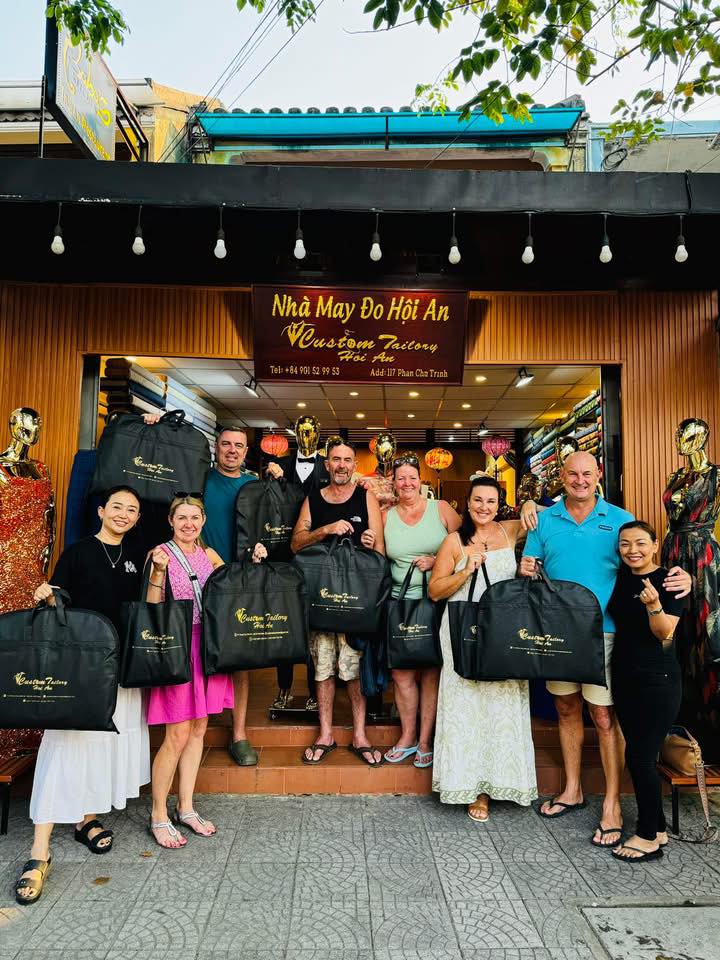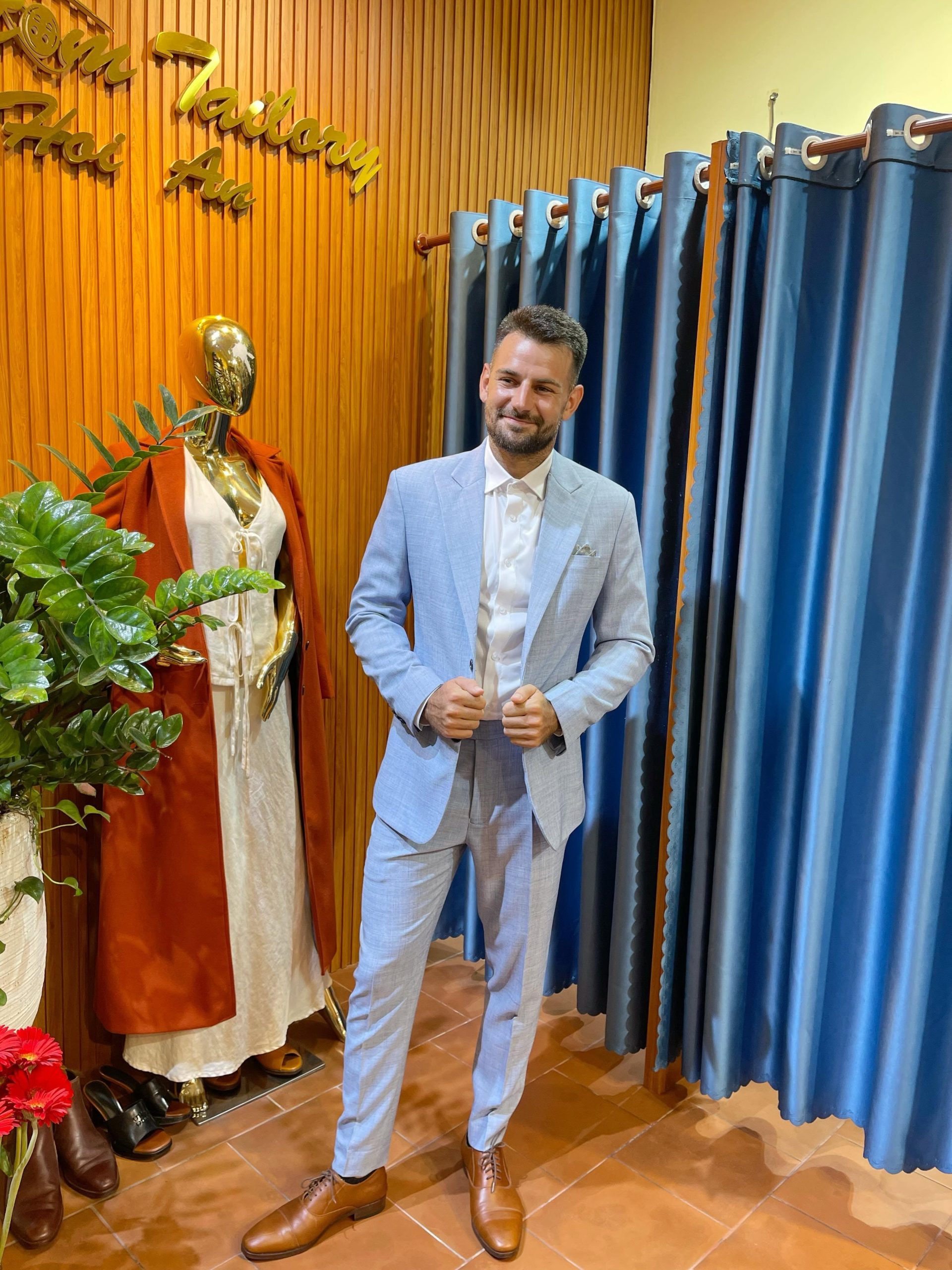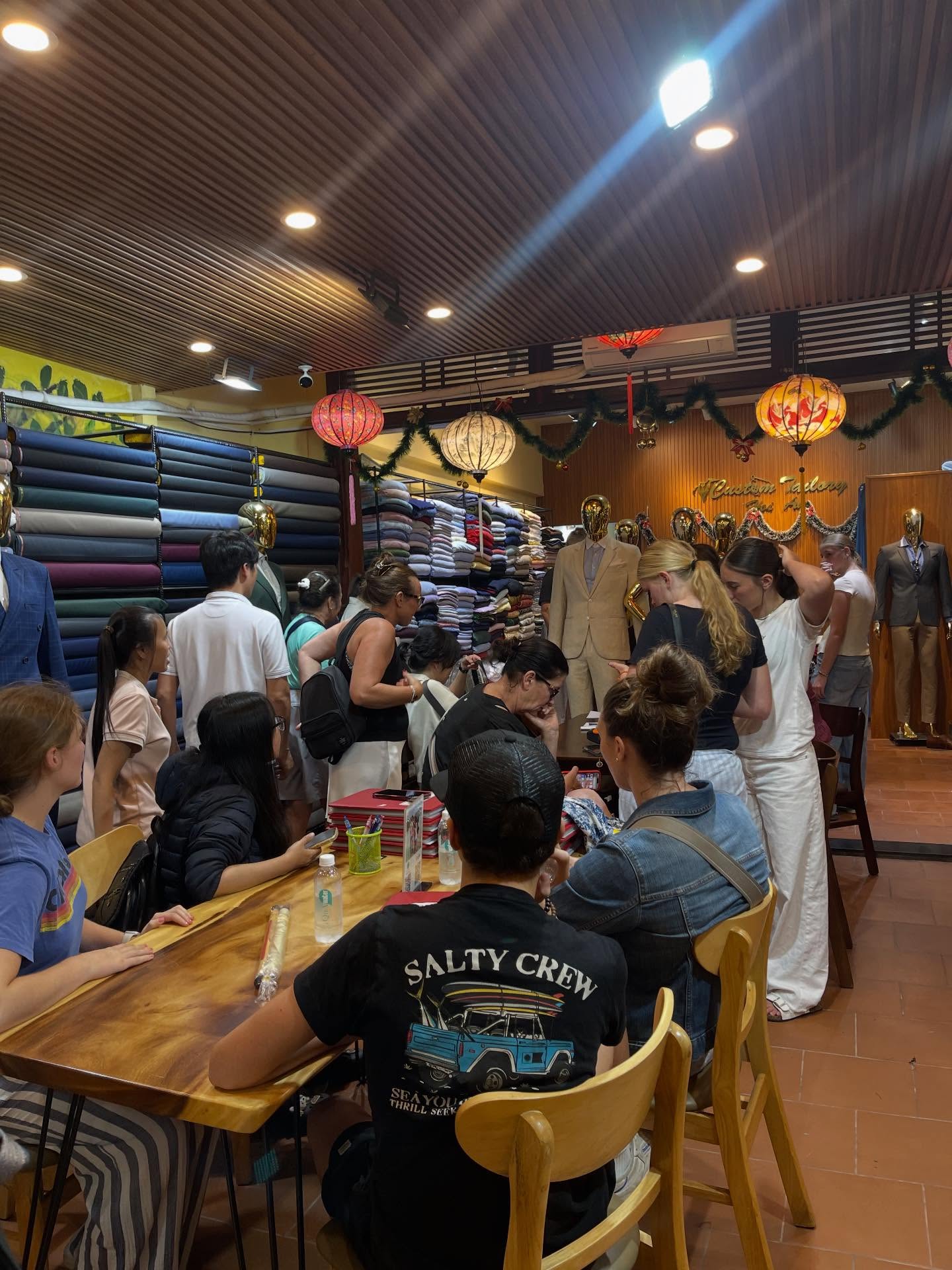
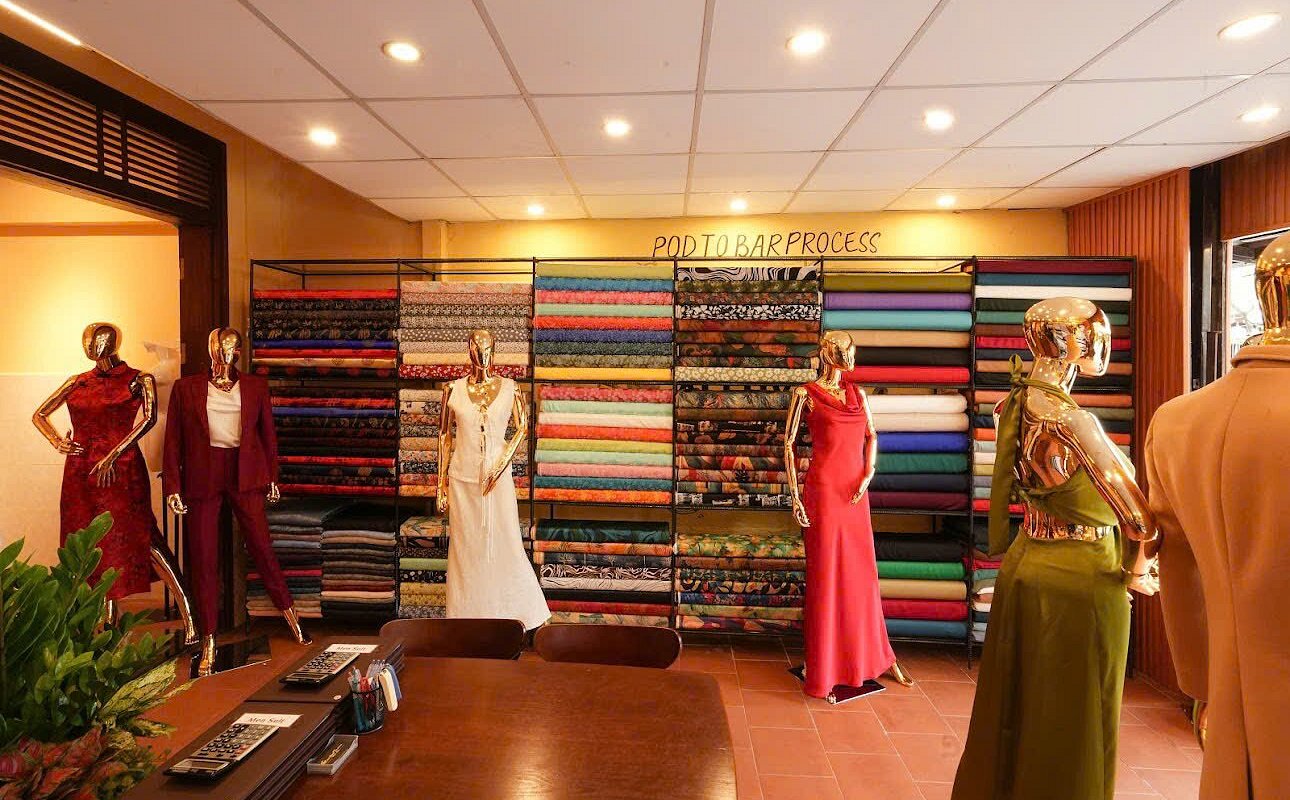
Wandering through the lantern-lit streets of Hoi An, it is impossible to ignore the rhythmic hum of sewing machines and the vibrant displays of silk, wool, and linen. This ancient Vietnamese town has earned a global reputation as the tailoring capital of Southeast Asia. Travelers flock here from all over the world with one primary question in mind: how much for a suit in hoi an?
The short answer is that a custom, tailored suit in Hoi An will cost you anywhere from $100 to $500 USD, depending heavily on the fabric you choose, the complexity of the design, and the reputation of the tailoring house. Compared to Western countries where a true bespoke suit can easily start at $1,000 and climb into the thousands, Hoi An offers unparalleled value without sacrificing craftsmanship.
In this comprehensive 2026 guide, we will break down the exact costs of tailoring in Hoi An, explore the factors that influence pricing, review the top-rated tailors in the city, and provide insider tips to ensure you walk away with a perfectly fitted garment.
The Short Answer: Average Suit Prices in Hoi An
If you are budgeting for your trip and need a quick overview of what to expect, here is a general pricing bracket for a standard men’s two-piece suit (jacket and trousers) as of 2026:
-
Budget Tier ($75 – $120): Basic cotton or synthetic polyester blends. Fast turnaround (often 24 hours), usually found in the cloth market or smaller side-street shops.
-
Mid-Range Tier ($150 – $250): Good quality wool blends, standard linen, or cotton. Crafted by established tailoring houses with 1 to 2 fittings.
-
Premium Tier ($300 – $500+): High-grade imported Italian wool, pure cashmere blends, or 100% silk. Hand-stitched details, complex inner canvas construction, and multiple fittings at heritage tailoring houses.
Note: A three-piece suit (adding a vest/waistcoat) generally adds $40 to $100 to the total price.
What Determines the Cost of a Tailored Suit?
When asking “how much for a suit in hoi an,” it is crucial to understand that you are not just paying for a uniform product. The price fluctuates based on four primary pillars: Fabric, Craftsmanship, Shop Reputation, and Turnaround Time.
1. The Fabric Quality (The Biggest Price Factor)
The material you choose will dictate 70% of your final bill. Walk into any reputable Hoi An tailor, and you will be presented with walls of fabric rolls.
-
Synthetic Blends (Lowest Cost): Materials heavily mixed with polyester. They are cheap, durable, and resist wrinkles, but they do not breathe well in the heat and lack the elegant drape of natural fibers.
-
Linen and Cotton (Mid-Cost): Perfect for summer weddings or tropical climates. Pure linen suits generally range from $150 to $250. They wrinkle easily by nature, but offer a relaxed, highly breathable fit.
-
Wool Blends (Mid to High Cost): The standard for business suits. A 70/30 wool-to-synthetic blend offers a great balance of affordability, breathability, and structure. Expect to pay $180 to $300.
-
Premium Wool and Cashmere (Highest Cost): 100% Merino wool, Italian imported wool, or cashmere blends. These fabrics drape beautifully, regulate temperature naturally, and look undeniably luxurious. Suits made from these materials will cost $300 to $500+.
To help you calculate your potential costs based on your specific needs, use the interactive budget estimator below:
2. Shop Reputation and Overhead
A shop located on the main tourist thoroughfares (like Tran Hung Dao or Tran Phu) with air conditioning, elegant showrooms, and fluent English-speaking staff has higher overhead than a stall in the Hoi An Cloth Market. You pay a premium for the curated experience, better communication, and stricter quality control.
3. Construction and Detailing
A cheap suit is glued together (fused). A high-quality suit features a floating canvas (half or full) sewn inside the jacket to give it shape and allow it to mold to your body over time. Premium tailors charge more because they take the time to construct the suit properly, adding functional buttonholes, custom silk linings, hand-stitched lapels (pick stitching), and reinforced seams.
4. Turnaround Time
While most tailors boast a 24-to-48-hour turnaround, rushing a premium suit often requires tailors to work overnight. If you demand a pure wool suit in 18 hours, you may incur a rush fee. Conversely, allowing 3 to 5 days ensures better attention to detail and multiple stress-free fittings.
Detailed Price Guide by Garment Type (2026 Updates)
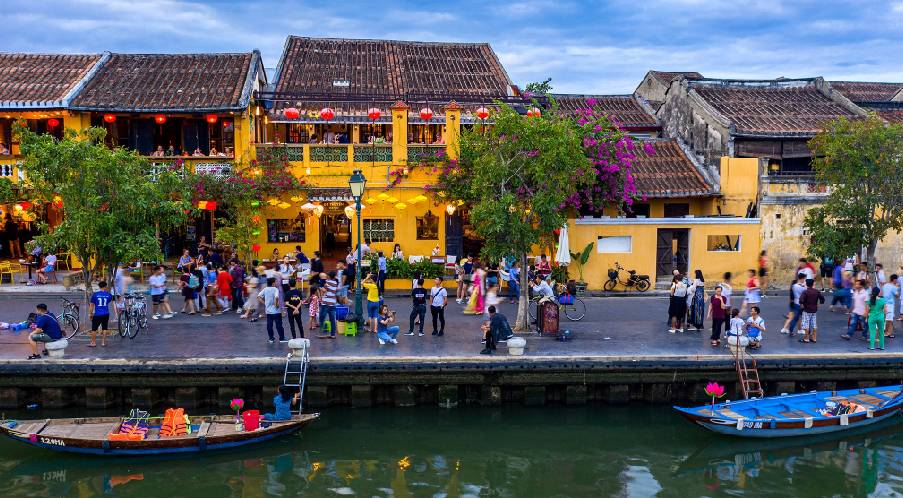
Beyond standard suits, Hoi An tailors can replicate almost any garment. Here is what you can expect to pay for individual pieces to build out your custom wardrobe:
| Garment Type | Budget Price | Premium Price | Best Fabric Choices |
| Men’s Dress Shirt | $20 – $30 | $50 – $80 | Egyptian Cotton, Bamboo, Pure Linen |
| Men’s Blazer / Sport Coat | $80 – $120 | $150 – $250 | Tweed, Merino Wool, Cotton-Spandex |
| Tailored Trousers / Chinos | $40 – $60 | $80 – $120 | Wool Blends, Linen, Cotton |
| Women’s Business Suit | $90 – $150 | $200 – $350 | Wool-Silk blends, Cashmere blends |
| Women’s Evening Dress | $60 – $100 | $150 – $400+ | Pure Silk, Chiffon, Crepe |
| Traditional Ao Dai | $50 – $80 | $120 – $200 | Vietnamese Silk, Jacquard |
| Winter Overcoat | $100 – $140 | $200 – $350 | Heavy Wool, Cashmere |
Top 5 Tailors in Hoi An: Where to Go and What They Charge
With over 400 tailoring shops concentrated in a few square kilometers, choosing where to spend your money is the most difficult part of the process. Below are the most reputable shops in 2026, categorized by their price points and specialties.
1. A Dong Silk (The Heritage Standard)
-
Price Range: $150 – $400 for suits.
-
Vibe: Professional, highly structured, and renowned for quality control.
-
Why choose them: A Dong Silk has been operating for over 25 years. They are famous for having their own in-house tailors rather than outsourcing to third-party factories. Their fitting technology is top-notch, making them the safest bet for premium business and wedding suits.
2. Yaly Couture (The Luxury Experience)
-
Price Range: $150 – $500+ for suits.
-
Vibe: High-end, polished, and expansive.
-
Why choose them: Yaly operates several massive showrooms. They carry the highest quality imported fabrics in Hoi An, including genuine Italian wools and fine silks. If budget is not a constraint and you want a true Savile Row experience in Vietnam, Yaly is the destination.
3. Bebe Tailor (The Modern & Efficient Choice)
-
Price Range: $100 – $300 for suits.
-
Vibe: Bustling, transparent, and highly organized.
-
Why choose them: Bebe has grown massively in popularity due to their reliable quality and ability to handle quick turnarounds without sacrificing the fit. They are excellent for both men’s suits and contemporary women’s fashion.
4. B’lan Silk (The Cultural Experience)
-
Price Range: $80 – $300 for suits.
-
Vibe: Authentic, traditional, set in a 200-year-old heritage house.
-
Why choose them: Beyond getting a great suit, shopping at B’lan is a cultural experience. The pricing is slightly more relaxed, and they are particularly renowned for their work with traditional Vietnamese garments and silk pieces.
5. Mr. Xe (The Budget-Friendly Gem)
-
Price Range: $90 – $150 for suits.
-
Vibe: Small, intimate, and highly personalized.
-
Why choose them: If you are on a backpacker budget but still want a well-fitted suit, Mr. Xe is highly rated. You won’t get the champagne service of Yaly, but you will get a fantastic cotton/polyester or light wool blend suit tailored precisely to your body for under $120.
The Hoi An Tailoring Process: Step-by-Step
Understanding how the process works is just as important as knowing how much a suit in Hoi An costs. To get the best results, you need to manage your time correctly.
Step 1: The Consultation and Fabric Selection (Day 1)
When you walk in, you will be assigned a sales assistant. You will browse iPad catalogs, show them your Pinterest boards, or point to mannequins. Once the design is locked (lapel width, vents, buttons, pockets), you will spend a significant amount of time touching and selecting fabrics. This is where you negotiate the price. Once the price is agreed upon, they will take 15 to 20 precise measurements of your body.
Step 2: The First Fitting (Day 2)
About 24 hours later, you will return. The suit will be loosely stitched together (often called a “basted fitting”). It will look unfinished. You will try it on, and the tailor will use chalk and pins to mark where it needs to be taken in, let out, or reshaped. Be ruthlessly honest here—if it feels tight across the shoulders or the pants are too long, say so.
Step 3: The Second Fitting (Day 3)
The suit will now look mostly finished. This fitting is for micro-adjustments: sleeve length, trouser break, and ensuring the jacket drapes cleanly without pulling at the buttons.
Step 4: Final Try-On and Payment (Day 3 or 4)
You try the suit on one last time. If it is perfect, you pay the remaining balance (usually you pay a 50% deposit on Day 1). Most tailors will keep your measurements on file for up to 5 years, allowing you to order more clothes via email from your home country.
How Hoi An Compares to Other Asian Tailoring Hubs
When researching bespoke tailoring in Asia, travelers typically compare three major destinations: Hoi An (Vietnam), Bangkok (Thailand), and Hong Kong. If you are still wondering, “how much for a suit in Hoi An compared to the rest of Asia?”, understanding the regional market will highlight exactly why central Vietnam remains the top choice for many.
Hoi An vs. Hong Kong
Hong Kong has a legendary tailoring history, heavily influenced by British colonial rule. Tailors here are renowned for traditional Savile Row techniques, exceptional canvas work, and access to the world’s finest fabrics. However, this comes at a steep premium. A mid-range tailored suit in Hong Kong will easily start at $500 to $800, with premium bespoke options soaring past $1,500. While the craftsmanship in Hong Kong is undeniably world-class, Hoi An offers a much more accessible entry point for first-time bespoke buyers, delivering 80% of the Hong Kong quality for a fraction of the price.
Hoi An vs. Bangkok
Bangkok is perhaps Hoi An’s fiercest competitor in the budget tailoring space. In Bangkok, you might find promotional deals offering a suit, three shirts, and a tie for as little as $99. However, the tailoring industry in Bangkok is often fragmented; many storefronts are simply middlemen who outsource the actual sewing to large factories outside the city limits. This can lead to inconsistencies in quality and miscommunications during fittings. Hoi An’s advantage lies in its localized, generational artisan community. Most reputable Hoi An tailors have their cutting and sewing teams operating either in-house or just a few streets away, allowing for unparalleled quality control and immediate, precise alterations.
Seasonal Considerations: When to Get a Tailored Suit
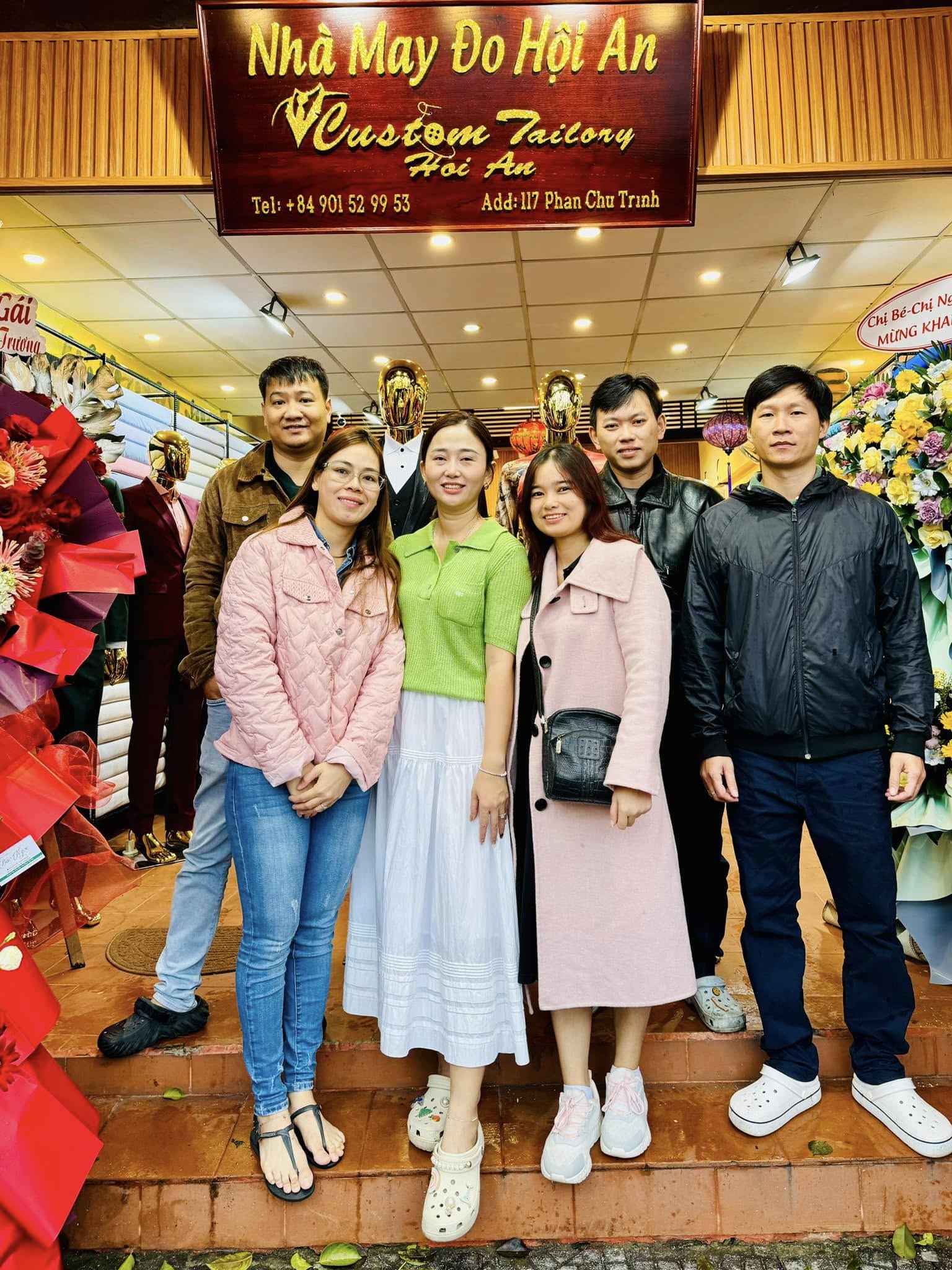
Believe it or not, the time of year you visit central Vietnam can subtly impact your tailoring experience. Hoi An has two distinct seasons, and planning your wardrobe around the weather will make the fitting process much more comfortable.
The Dry Season (February to August)
This is peak tourist season. The weather is sunny, hot, and highly humid, especially from May to August.
-
The Advantage: Shop operations are in full swing, and natural sunlight makes it very easy to accurately judge fabric colors and textures.
-
The Disadvantage: Trying on heavy wool jackets and winter overcoats in 35°C (95°F) heat can be incredibly uncomfortable, even inside air-conditioned showrooms. If you are visiting during the summer, you might naturally gravitate toward lighter fabrics like linen and tropical wool, which are perfect for hot climates but might not serve you well if you are returning to a freezing winter back home. Keep your actual climate in mind, not just the vacation weather.
The Wet Season (September to January)
The autumn and winter months bring monsoon rains and occasional flooding to the ancient town.
-
The Advantage: The town is less crowded, meaning tailors are generally less rushed. You can often negotiate slightly better prices or faster turnaround times during these slower months. Furthermore, trying on three-piece tweed or heavy cashmere suits feels much more appropriate in the cooler, rainy weather.
-
The Disadvantage: You will need to navigate flooded streets to get to your fittings, and overcast skies can make it slightly harder to see the true shade of navy or charcoal fabrics under artificial shop lighting.
Beyond the Suit: Custom Shoes and Leather Goods
A bespoke suit is only as good as the accessories paired with it. Fortunately, Hoi An’s artisan expertise extends far beyond silk and wool. The town is equally famous for its custom leather cobblers.
To complete your look, you can have bespoke dress shoes crafted to your exact foot measurements. Whether you want classic Oxford lace-ups, double monk straps, or intricate brogues, Hoi An’s leather workers can replicate almost any design.
What to expect for custom leather goods:
-
Custom Men’s Dress Shoes: $60 – $120. You can choose the exact shade of leather, the style of the toe box, and the type of sole (rubber or stacked leather).
-
Custom Leather Belts: $15 – $30. A pro-tip is to buy your shoes first, then ask the leather shop to craft a belt from the exact same hide so your leathers match perfectly.
-
Briefcases and Messenger Bags: $80 – $150. A custom-stitched leather briefcase is the ultimate accessory for a premium business suit.
Highly rated leather shops like Friendly Leather Bag and Tu Tu Leather operate with the same transparency and speed as the top clothing tailors, usually requiring just 24 to 48 hours to craft custom footwear.
Caring for Your Custom Hoi An Suit: Post-Trip Maintenance
Once you return home with your new custom wardrobe, proper maintenance is crucial to ensure your $300 investment lasts for a decade rather than a season. Many first-time buyers make critical mistakes that ruin the drape and fabric of their bespoke garments.
-
Limit Dry Cleaning: This is the most common mistake. The harsh chemicals used in the dry cleaning process strip natural oils from wool, causing the fabric to become brittle and shiny over time. You should only dry clean your suit once or twice a year, or if it suffers a severe stain.
-
Invest in a Suit Brush: Instead of dry cleaning, simply brush your suit with a natural-bristle garment brush after each wear. This removes dust and food particles that attract moths.
-
Use Proper Hangers: Throw away the thin wire hangers. Hang your tailored jacket on a wide-shouldered, contoured wooden hanger. This preserves the shape of the shoulder pads and the canvas interior.
-
Let the Suit Rest: Never wear the same suit two days in a row. Wool is a natural fiber that needs 24 to 48 hours to breathe, release moisture from sweat, and spring back into its original shape.
Frequently Asked Questions (FAQ) About Hoi An Tailoring
To wrap up this ultimate guide, here are the most common questions travelers ask before handing over their deposit.
Can tailors in Hoi An copy designer brands? Yes. If you bring a photo of a $3,000 Tom Ford or Armani suit, the tailors can replicate the peak lapels, pocket styles, and overall cut. However, remember that the true magic of a designer suit lies in the fit and the proprietary fabrics. While they can clone the style, the final product will only be as good as the fabric you select from their shop.
What happens if I lose or gain weight after I buy the suit? A hallmark of a well-made bespoke suit is the “seam allowance.” Reputable tailors in Hoi An will leave extra fabric inside the seams of the trousers and the jacket. This allows a local tailor in your home country to easily let the suit out by an inch or two if you gain weight, or take it in if you lose weight.
Do they keep my measurements on file? Yes. The vast majority of mid-range and premium shops will digitize your measurements and keep them on file for 3 to 5 years. Once you are home, you can simply email them, request a new fabric from their digital catalog, and have a new suit shipped directly to your door without ever needing to step foot in Vietnam again.
Is tipping expected? Tipping is not customary in Vietnam, and you are not required to tip your tailor. The price you negotiated is the final price. However, if the service was exceptional, a small tip ($5 – $10 USD) to the sales assistant who managed your fittings is always deeply appreciated.
7 Insider Tips for the Best Tailoring Experience
-
Bring Reference Photos: Do not rely on verbal descriptions. Bring high-resolution photos of the exact suit you want, showing the lapels, the fit, and the trouser break. If you own a suit that fits perfectly, bring it with you for them to clone.
-
Do the “Burn Test” for Silk: If you are paying a premium for 100% pure silk, you can ask the tailor to burn a tiny thread of it. Real silk burns to ash and smells like burnt hair. Fake polyester silk melts into a hard plastic bead and smells like chemicals.
-
Don’t Rush the Process: Yes, they can make a suit in 12 hours. No, you shouldn’t do it. Give the tailors at least 3 to 4 days to allow for 2 to 3 proper fittings.
-
Check the Details: Before paying the final bill, check the stitching. Are the seams straight? Do the patterns match up at the seams (especially on checked or striped fabrics)? Are the buttonholes cleanly cut without fraying?
-
Bargain Respectfully: Fixed-price luxury shops (like Yaly or A Dong) rarely negotiate on a single suit. However, if you are buying a suit, three shirts, and a coat, you can absolutely ask for a 10-15% discount or request that they throw in a free silk tie and pocket square.
-
Dress Appropriately for Fittings: Bring the shoes you plan to wear with the suit so the tailor can measure the trouser break perfectly. Wear a well-fitting dress shirt to your jacket fittings.
-
Consider Shipping: If you go on a shopping spree and cannot fit your new wardrobe into your backpack, every reputable tailor offers international sea or air freight. Air freight takes about a week and costs around $50-$80 depending on weight, while sea freight is cheaper but takes a month.
Why Are Custom Suits So Cheap in Hoi An?
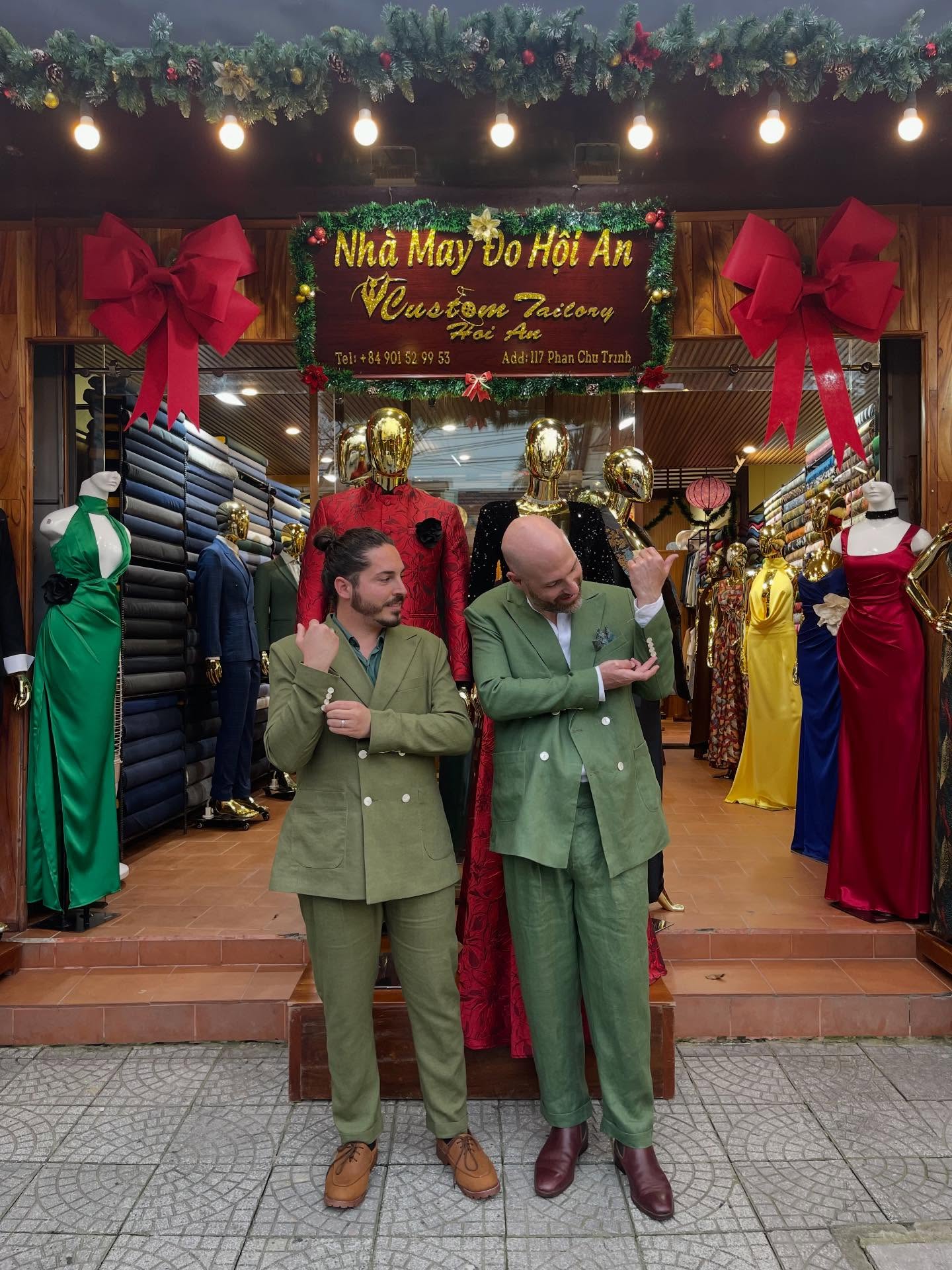
When Westerners hear that a custom-tailored suit costs $200, they immediately suspect poor quality. However, the economics of Hoi An are uniquely structured to provide this value:
-
Deep Local Expertise: Tailoring is generational in Hoi An. There is no expensive apprenticeship system; skills are passed down through families, meaning the labor pool of highly skilled artisans is vast.
-
Low Overhead Costs: There is no West End London or 5th Avenue New York rent to pay. The cost of living and operating a business in Central Vietnam is structurally lower.
-
Intense Competition: With hundreds of tailors in a small town, a single bad TripAdvisor or Google review can cripple a business. The intense competition acts as a strict quality-assurance mechanism. They have to deliver good work at fair prices to survive.
Conclusion
So, how much for a suit in Hoi An? It is entirely up to you. You can walk into the market and leave with a $100 polyester-blend suit the next day, or you can step into a heritage showroom, sip Vietnamese coffee, and spend $400 on a masterfully crafted Italian wool masterpiece that rivals anything you’d buy in Europe.
A tailored suit from Hoi An is more than just clothing; it is an experience and a lasting memory of your time in Vietnam. By knowing your fabrics, choosing the right shop, and allowing enough time for proper fittings, you will ensure that your investment is one you will wear proudly for years to come.
📍 Address: 117 Phan Chu Trinh Hội An ĐN Google Map
📞 Hotline: 0901 529 953
🌐 Fanpage: Customtailory Hội An
🌐 Website: https://www.customtailoryhoian.com/