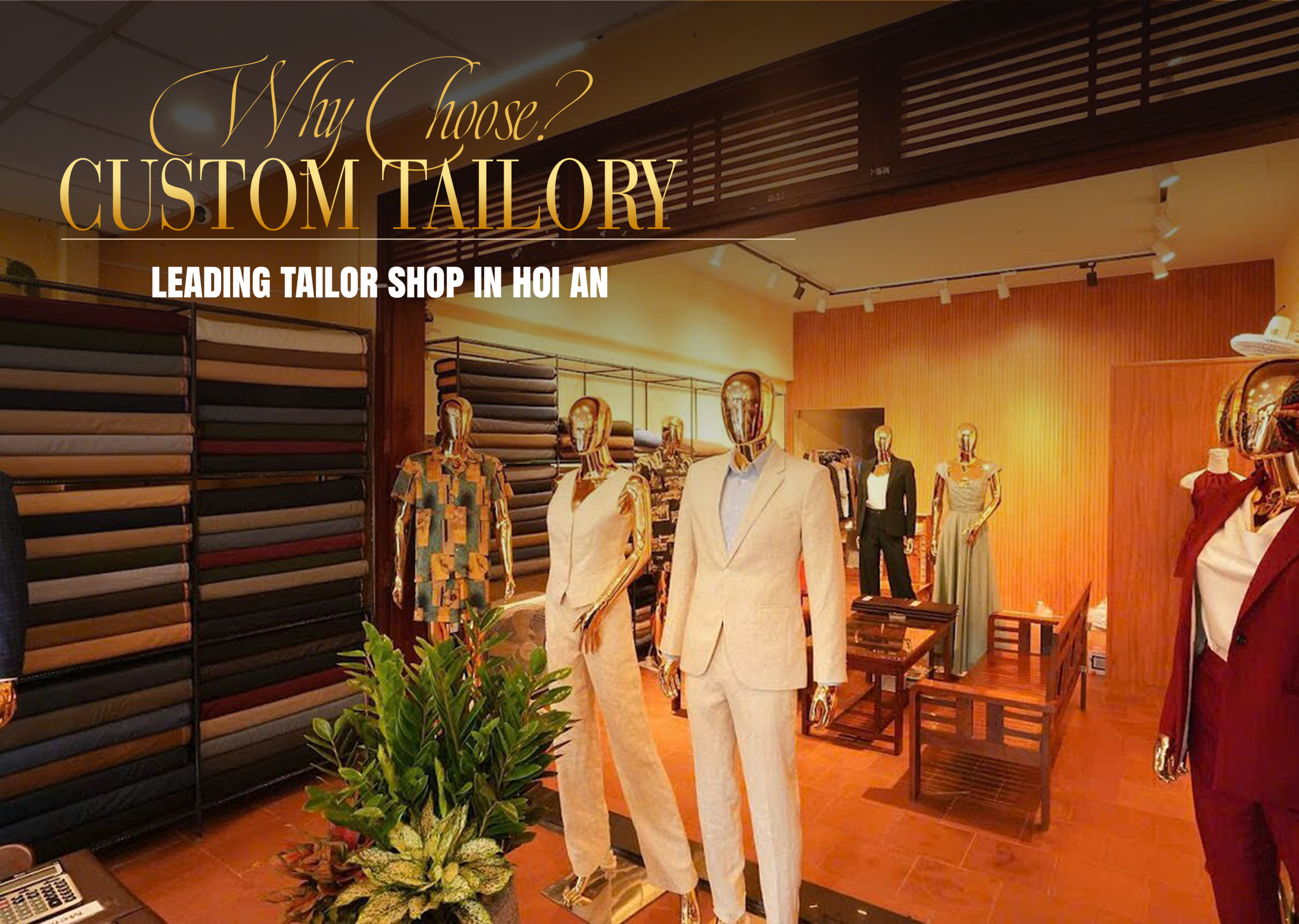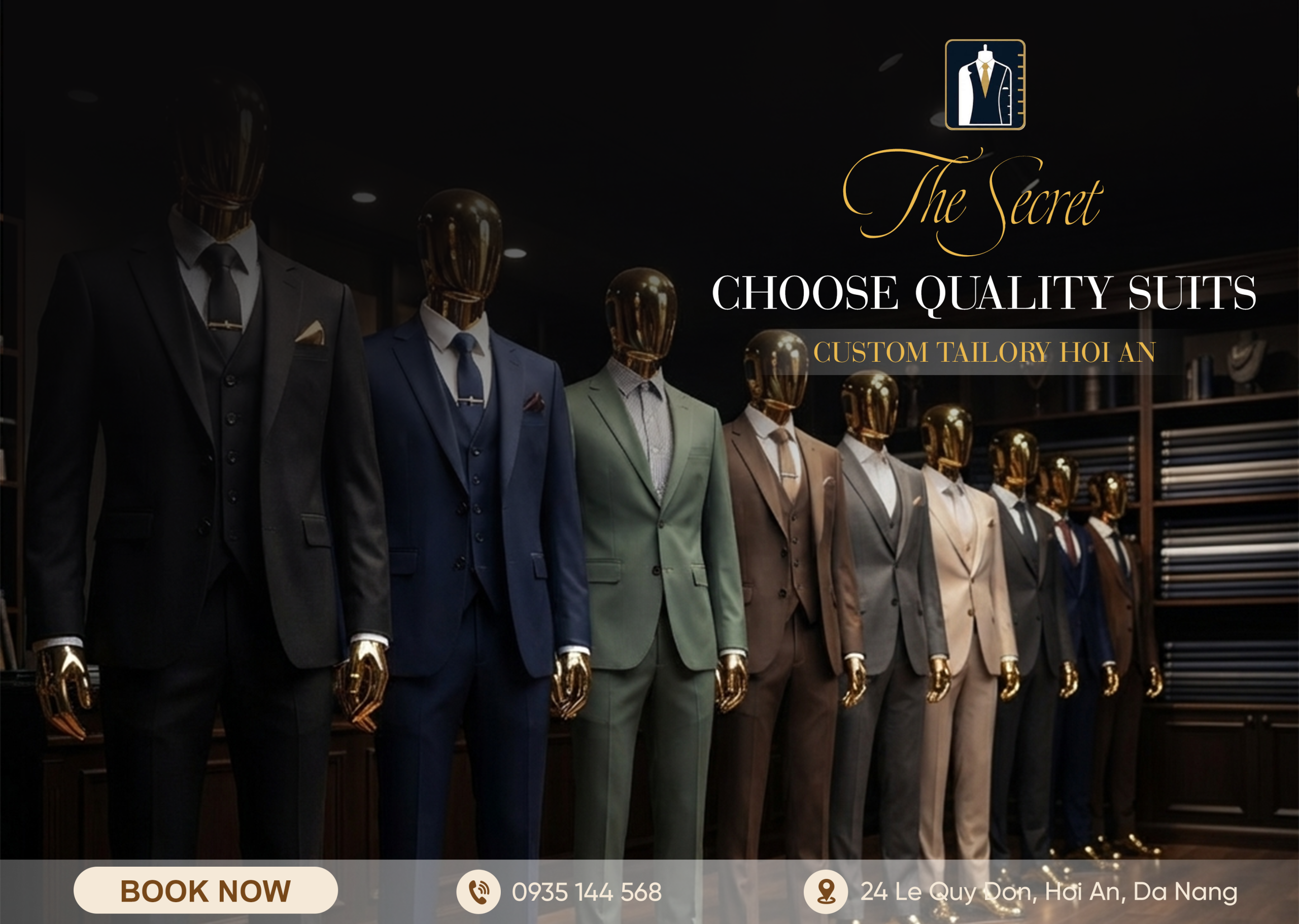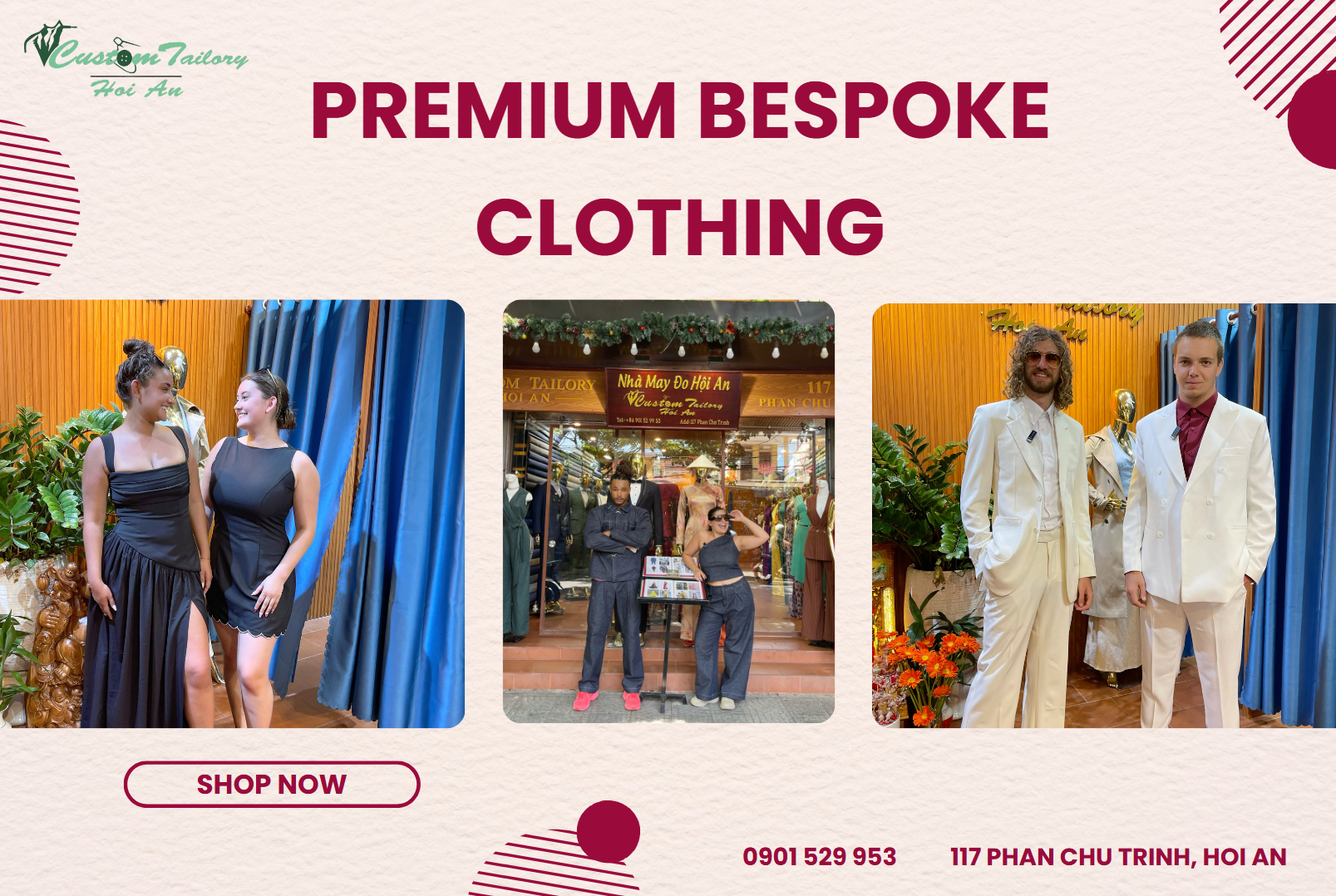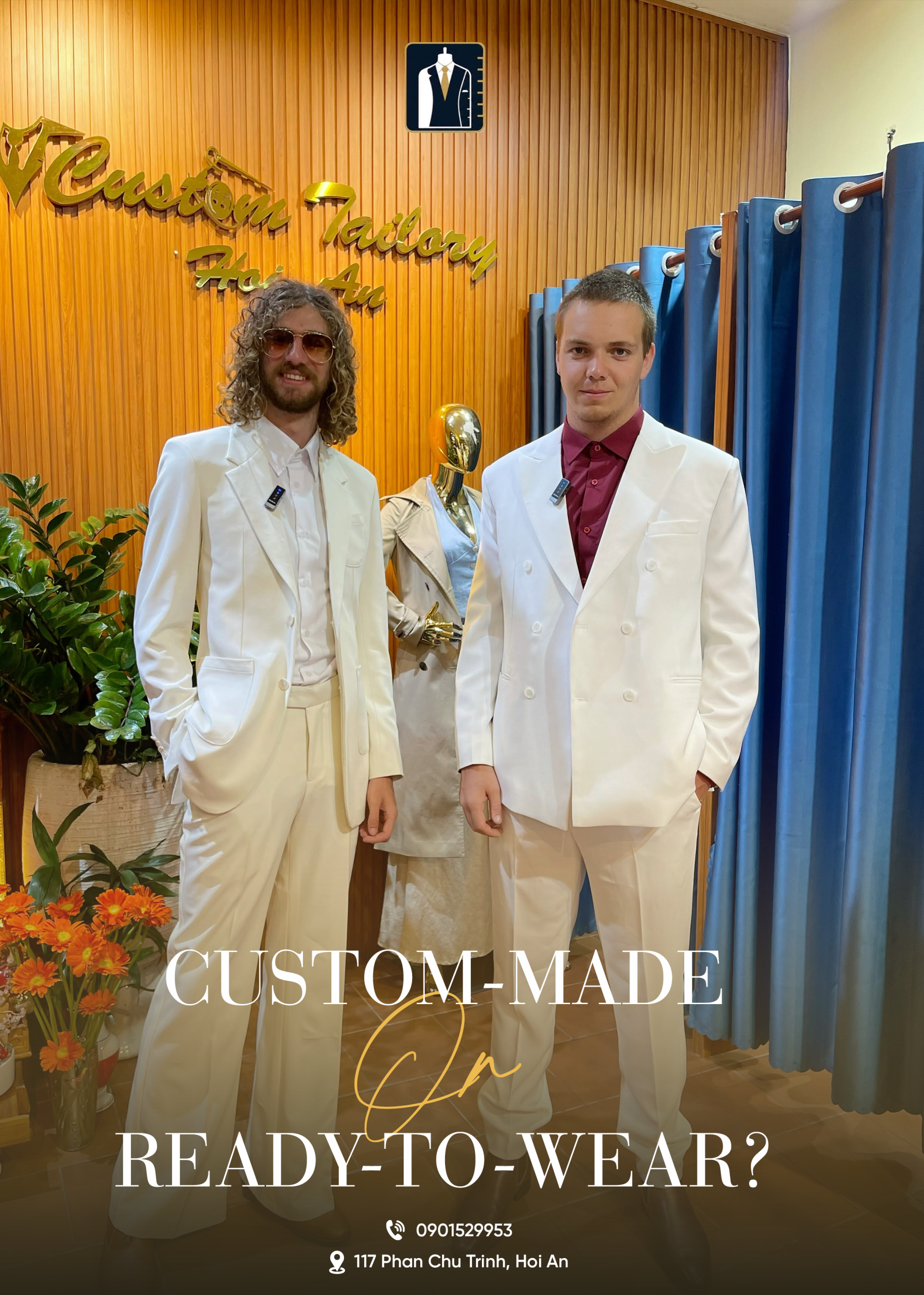
A suit should feel comfortable long after you have stepped away from the fitting-room mirror. The shoulders should sit naturally, the jacket should complement your proportions, and the trousers should allow you to sit and walk with ease. Just as importantly, the finished outfit should suit the way you actually live.
If you are searching for a bespoke suit Hoi An experience, start by thinking about what you want from the garment. Perhaps you need a confident look for your wedding, a dependable business suit, or something relaxed enough for celebrations and travel. Each purpose calls for different decisions about fabric, shape and finishing.
At Custom Tailory Hoi An, the tailoring experience brings together consultation, fabric selection, measurements, fitting and finishing. Understanding these stages helps you arrive with clearer ideas and take a more active role in shaping your suit.
What Should You Expect When Looking for a Bespoke Suit Hoi An?
Before choosing a tailor, it helps to understand the terminology.
In traditional bespoke tailoring, a suit begins with a pattern created specifically for an individual customer. Fittings then help refine the garment around their body and posture. Made-to-measure generally starts with an existing pattern that is adjusted to the wearer’s measurements. Both approaches involve personalization, but the pattern-making process differs.

Custom Tailory Hoi An describes its services as made-to-measure, with options to personalize fabrics, colors and design details. If you specifically want a traditional bespoke commission, discuss the pattern-making method, construction and fitting stages directly with the team before ordering.
Useful questions to bring to your consultation include:
- How will the pattern be developed for my measurements?
- Which parts of the design can I personalize?
- How will the jacket’s structure affect its feel and appearance?
- What fitting schedule is appropriate for my chosen design?
- How much time should I leave for final adjustments?
Clear answers help you understand what will be made and how the finished garment should perform.
Begin with the Occasion, Then Choose the Style
A successful suit starts with a clear purpose. Before discussing lapels or lining, explain where you expect to wear it and how formal the setting will be.
Custom Tailory’s custom men’s suit service in Hoi An covers business wear, weddings and more relaxed occasions. These provide useful starting points for your consultation.
A Business Suit for Your Working Wardrobe
Think about a normal working day. Will you spend hours seated at a desk, move between meetings, or travel frequently?
For a first business suit, consider a restrained color that works with shirts and shoes you already own. Navy and charcoal are practical starting points, while subtle texture can add interest without making the outfit difficult to coordinate.

Explain how you prefer your clothes to feel. A close silhouette should still allow comfortable movement, especially across the upper back, waist and thighs. Bring a work shirt to the fitting so the tailor can assess how the layers sit together.
A Wedding Suit with a Personal Character
Your wedding setting should influence the design. An outdoor ceremony, a formal evening reception and an intimate daytime celebration may call for different fabrics and silhouettes.
Bring photographs of the venue and any agreed color palette. These references can help communicate the mood you want without requiring an exact copy of someone else’s suit.
Consider the complete outfit early: shirt collar, tie, shoes and any waistcoat should work together. During the fitting, check whether the suit remains comfortable when you sit, embrace someone or move your arms naturally.
A Relaxed Suit for Events and Travel
If you rarely wear formal clothing, explain that during the consultation. You may prefer a softer appearance and a shape that feels familiar rather than overly structured.
Also consider whether you want to wear the jacket and trousers separately. Discuss how their fabric, texture and cut could work with other pieces in your wardrobe. This helps you design a garment around realistic use.
Choosing Fabric for Your Suit
Fabric influences how a suit hangs, moves and feels. A small swatch can show color and texture, but it cannot fully demonstrate how a complete jacket will behave.
Ask to see a larger length of cloth where possible. Hold it against your shirt, look at it in different lighting, and discuss the conditions in which you will wear the finished suit.
Custom Tailory’s men’s suit page lists wool, linen, cotton and blends among its fabric options. Confirm the available selection during your consultation.
Match the Fabric to Where You Will Wear It
Do not choose solely for the weather during your visit to Hoi An. A suit intended for an air-conditioned office or a cooler climate may need a different approach from one designed for an outdoor celebration.
Discuss these points with the tailor:
- The climate and season in which you will wear the suit.
- Whether you prefer a crisp or softly draped appearance.
- How you feel about visible creasing.
- How frequently you expect to wear the garment.
- The cleaning and care it will require.
Ask about the fabric’s composition, weight and weave rather than relying only on how soft it feels.
Consider the Whole Garment
Comfort depends on more than the outer cloth. Lining, internal structure and the amount of room in the cut also influence the experience of wearing a suit.
If you prefer a lighter feel, discuss how that preference could affect the design. If you want a defined silhouette, ask the tailor to explain the construction choices available.
For more background before your visit, explore Custom Tailory’s guide to fabric selection and fit.
Personalizing the Details Without Losing Balance
Personalization works best when the details support a coherent design.
Begin with the overall shape: the jacket length, shoulder line, waist definition and trouser silhouette. Once these are clear, move on to smaller choices such as lapels, pockets, buttons and lining.
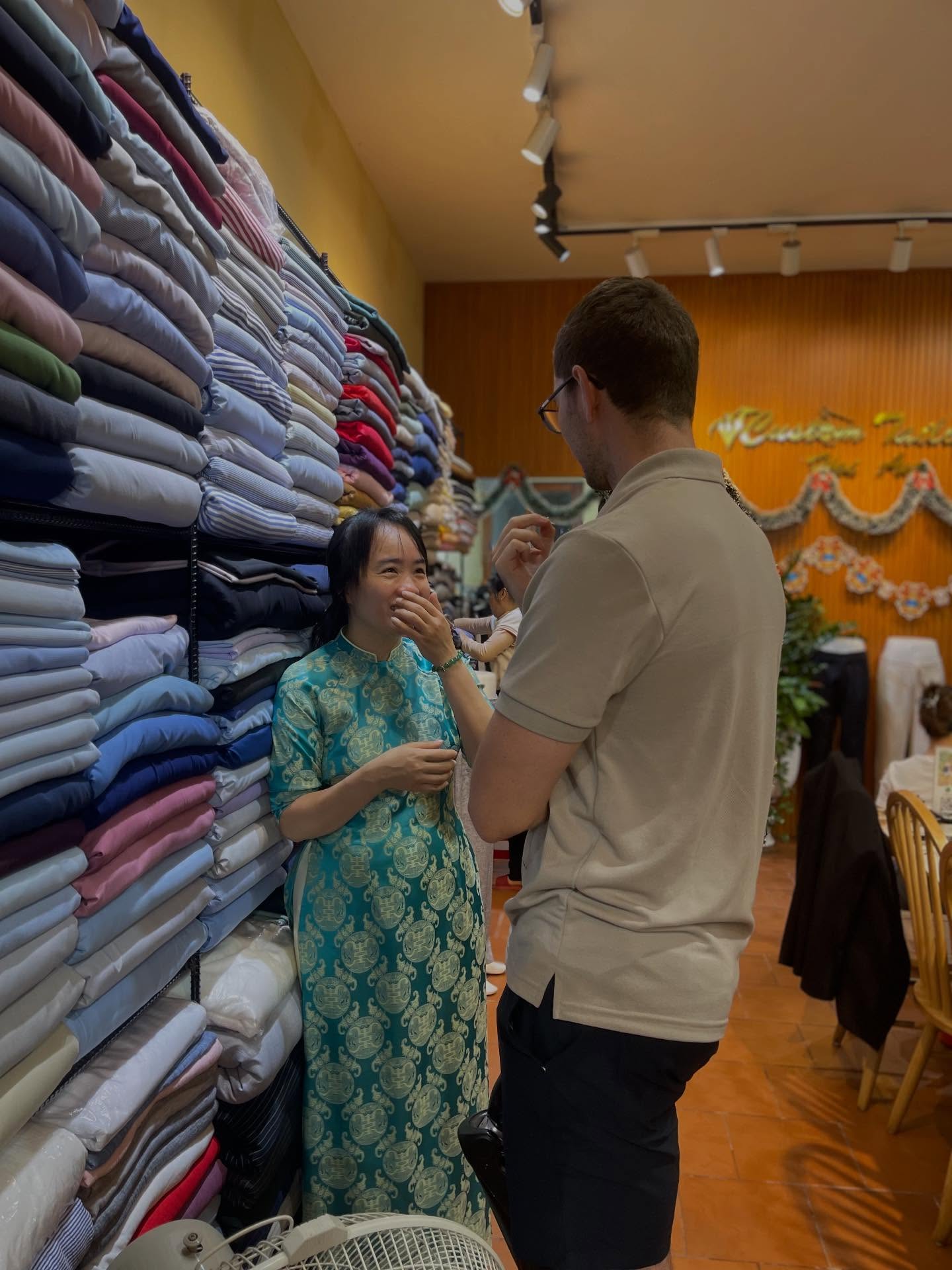
Custom Tailory’s suit service includes these types of design decisions, allowing customers to discuss a classic or modern appearance.
A useful approach is to identify one or two priorities. You might want a distinctive lining, a particular lapel shape, or trousers with a more relaxed line. Making those preferences clear gives the consultation direction.
Reference photographs can help, but explain what you like about each image. Is it the jacket’s proportion, the color combination or the overall mood? A photograph communicates more effectively when accompanied by a specific observation.
The aim is a suit that makes sense on your body and in your wardrobe.
The Tailoring Experience at Custom Tailory Hoi An
The shop presents its process in four stages: consultation, fabric selection, measurements, and fitting with finishing.
1. Consultation: Explain What You Need
Bring your ideas, intended use and travel dates. Mention any difficulties you usually experience with ready-made clothing, such as tight shoulders, loose waistbands or sleeves that feel too short.
Be clear about your preferences, including the details you do not enjoy wearing. This gives the tailor useful information beyond measurements.
2. Fabric Selection: Compare Your Options
Review materials alongside the proposed design. Discuss how the selected cloth might behave in the finished garment and whether it supports your intended use.
Confirm the fabric and color before production begins. If you are ordering several pieces, clarify which material belongs to each one.
3. Measurements: Stand Naturally
Wear clothing that allows measurements to be taken easily, and maintain your normal posture. Avoid pulling your shoulders back or holding in your stomach for the measuring process.
Explain any fit concerns or movement requirements that may not be obvious while you are standing still.
4. Fitting and Finishing: Give Specific Feedback
At the fitting, describe where something feels tight, loose or restrictive. Comments such as “the upper back feels tight when I reach forward” are more useful than simply saying the jacket feels wrong.
Agree on the adjustments and confirm the next appointment or collection time. Custom Tailory’s overview of suit tailoring in Hoi An provides additional context for the experience.
What to Check During Your Suit Fitting
A fitting is your opportunity to evaluate the suit in motion as well as in the mirror. Wear the shirt and shoes you intend to pair with it whenever possible.
Use the following checklist to guide the conversation:
| Area | What to assess |
|---|---|
| Shoulders | Does the jacket sit comfortably without obvious overhang or restriction? |
| Collar | Does it sit neatly against your shirt collar in your normal posture? |
| Chest and waist | Can you fasten the jacket comfortably without pronounced pulling? |
| Sleeves | Does the length work with your shirt and remain balanced on both sides? |
| Trouser waist and seat | Can you sit comfortably without excessive tightness or slipping? |
| Trouser length | Does the hem fall as intended over the shoes you will wear? |
| Movement | Can you walk, sit and move your arms comfortably for normal activities? |
Check the back and side views, too. If you notice folds or pulling, ask the tailor to assess their cause rather than assuming every crease requires the same adjustment.
Plan Your Visit Around the Fittings
When arranging a bespoke suit in Hoi An, make time for the conversation and fitting process.
Contact the shop before your visit if your schedule is limited. Share your arrival and departure dates, the garment you have in mind and any event deadline. Ask the team to confirm what can realistically be completed.

Try to visit early in your stay so there is room to review adjustments. Avoid treating the final collection as a quick stop immediately before departure.
It also helps to prepare:
- A small selection of reference photographs.
- Your preferred shirt and shoes.
- Notes about the occasion and expected dress code.
- Any questions about construction, fitting and garment care.
The clearer your brief, the easier it is to keep the design decisions consistent.
Discover Custom Tailory Hoi An
Custom Tailory Hoi An is located at 117 Phan Chu Trinh, Hoi An. Its approach emphasizes personal consultation and clothing that reflects the wearer’s style. You can learn more about the shop’s background and philosophy on the About Custom Tailory Hoi An page.
Alongside suits for men and women, the shop lists made-to-measure shirts, dress trousers, dresses, coats, jumpsuits and áo dài. If you are planning a complete outfit, browse its tailoring services before your consultation.
Your search for a bespoke suit Hoi An experience can begin with a simple conversation: what do you want to wear, where will you wear it, and how should it feel?
Bring those answers to Custom Tailory Hoi An and discuss the available tailoring approach, fabric choices and fitting schedule with the team.
Custom Tailory Hoi An
📍 Address: 117 Phan Chu Trinh Hội An, Da Nang
📞 Holine: 0901 529 953
🌐 Fanpage: Customtailory Hội An
🌐 Website: https://www.customtailoryhoian.com/