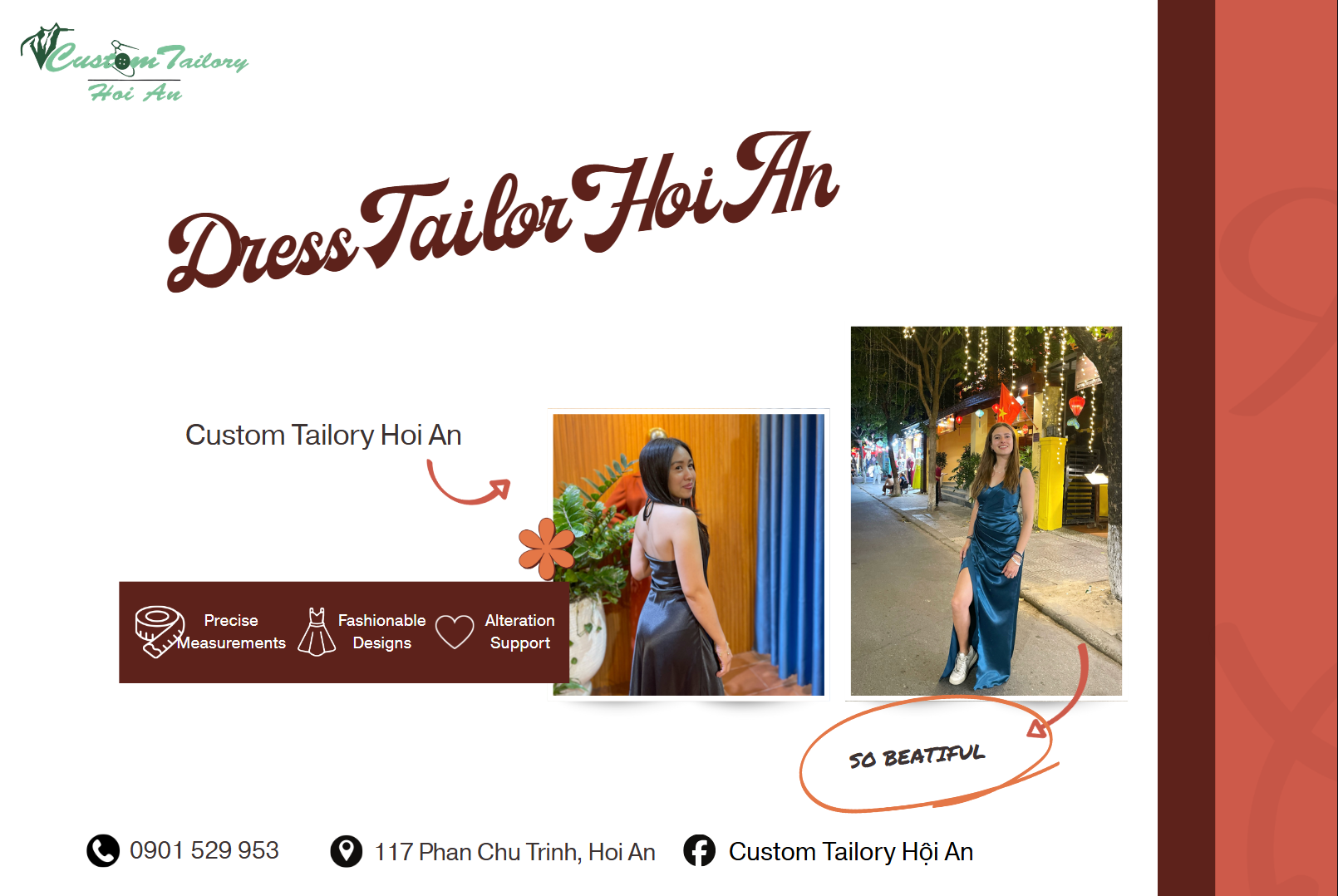
Vietnam Tailor has long been closely associated with the tradition of handcrafted tailoring, which has developed particularly strongly in Hoi An. Tailoring here not only serves basic clothing needs but also reflects technical skill, accumulated experience, and meticulous attention in every stage of production. In this article, Custom Tailory Hoi An provides a detailed analysis of the role of Vietnam Tailor, the handcrafted tailoring process, the characteristics of the tailoring profession in Hoi An, and the reasons why this service is chosen by both domestic and international customers.
1. Overview of Vietnam Tailor in the Handcrafted Tailoring Industry
Vietnam Tailor plays a fundamental role in establishing and sustaining the traditional handcrafted tailoring industry. Tailoring in Vietnam emerged very early in history and developed primarily through direct, hands-on apprenticeship rather than formal institutional training. Skills, techniques, and professional standards have been passed down from one generation to the next through daily practice and close mentorship.
In many regions of Vietnam, particularly in Hoi An, Vietnam Tailor continues to rely heavily on manual working methods. While modern machinery may assist in certain stages, the core processes—measurement, pattern drafting, fabric cutting, fitting, and final adjustment—are still performed by hand. This approach reflects the nature of handcrafted tailoring, where precision and adaptability are prioritized over speed and mass production.
Within the tailoring industry, Vietnam Tailor is responsible for more than simply cutting and sewing fabric. Tailors actively advise customers on garment styles, suitable fits, and fabric selection based on individual body characteristics and usage needs. Through accumulated practical experience, tailors develop the ability to identify posture issues, asymmetry, and movement habits, then adjust garments accordingly. This personalized approach is one of the most important factors that distinguishes handcrafted tailoring from industrial garment manufacturing.
2. The Formation of Handcrafted Tailoring in Hoi An
Hoi An was historically a vibrant international trading port where Vietnamese culture intersected with influences from China, Japan, and Western countries. The steady flow of merchants, travelers, and cultural exchange created demand for custom-made clothing, contributing significantly to the early development of tailoring services in the area.
Vietnam Tailor in Hoi An gradually became exposed to a wide range of clothing styles, fabrics, and garment structures. Over time, this exposure allowed local tailors to adapt traditional Vietnamese tailoring techniques to accommodate both Eastern and Western preferences. As tourism developed, handcrafted tailoring evolved into a distinctive service industry within Hoi An.
Many small tailoring shops emerged, emphasizing quality workmanship, direct customer interaction, and efficient turnaround times. Vietnam Tailor in this area is typically trained for many years before working independently. Apprentices are expected to master measurement accuracy, pattern construction, and fitting techniques before being entrusted with full garments. This long training process ensures consistent skill levels and preserves the technical foundation of handcrafted tailoring in Hoi An.
👉🏻 See more: Here!
3. Key Characteristics of Vietnam Tailor in Hoi An
Vietnam Tailor in Hoi An is widely recognized for accurate body measurement skills and meticulous attention to detail. Through years of direct interaction with customers, tailors develop the ability to assess body proportions, posture, and movement patterns quickly. Rather than relying solely on standard measurements, tailors adjust figures flexibly to achieve a balanced and comfortable fit.
This understanding allows made-to-measure garments to enhance the wearer’s natural shape while remaining practical for everyday use. Details such as shoulder slope, waist shaping, sleeve length, and fabric drape are carefully calculated to avoid discomfort during prolonged wear.
Direct communication with customers enables Vietnam Tailor to receive immediate feedback and implement precise adjustments. Tailors can respond to preferences related to fit tightness, garment structure, or wearing habits. This responsiveness clearly differentiates handcrafted tailoring from ready-to-wear industrial garments, which are limited by standardized sizing.
Another notable strength of Vietnam Tailor in Hoi An is the ability to complete garments within a relatively short timeframe while maintaining consistent quality. Well-organized workflows allow measuring, cutting, sewing, fitting, and alteration stages to be carried out efficiently. Close supervision at each step helps reduce errors and unnecessary revisions. As a result, Hoi An has become a familiar destination for international visitors seeking tailored garments during short stays.
4. The Role of Vietnam Tailor in the Art of Handcrafted Tailoring
Handcrafted tailoring is not merely about producing a finished garment; it is a comprehensive process that integrates technique, experience, and continuous observation. In this process, Vietnam Tailor plays a decisive role in shaping garment structure, managing fabric behavior, and ensuring overall balance.
Every cutting decision, stitch placement, and adjustment affects how a garment fits and performs when worn. Tailors must consider fabric stretch, weight, and drape while maintaining structural integrity. Small refinements accumulated throughout the process determine the final aesthetic and functional quality of the garment.
Beyond technical execution, Vietnam Tailor is also responsible for maintaining professional standards within handcrafted tailoring. Each stage—from measurement and pattern drafting to fitting, alteration, and finishing—serves a specific purpose. Skipping or rushing any step can compromise accuracy and comfort. Through discipline, patience, and accumulated experience, handcrafted tailoring continues to be preserved and developed in Hoi An.
5. Standard Handcrafted Tailoring Process in Hoi An
The handcrafted tailoring process in Hoi An typically begins with a detailed consultation aimed at fully understanding customer requirements. During this stage, Vietnam Tailor discusses the intended use of the garment, such as daily wear, business attire, or special occasions. Preferred style, design details, fabric options, and expected completion timelines are also carefully reviewed. This initial communication helps establish realistic expectations and minimizes potential misunderstandings during production.
After the consultation, Vietnam Tailor takes body measurements while observing posture, shoulder balance, and natural movement. Based on this information, the tailor manually drafts or adjusts a pattern tailored to the individual’s body shape. Unlike industrial pattern systems, this pattern is customized and can be modified throughout the process.
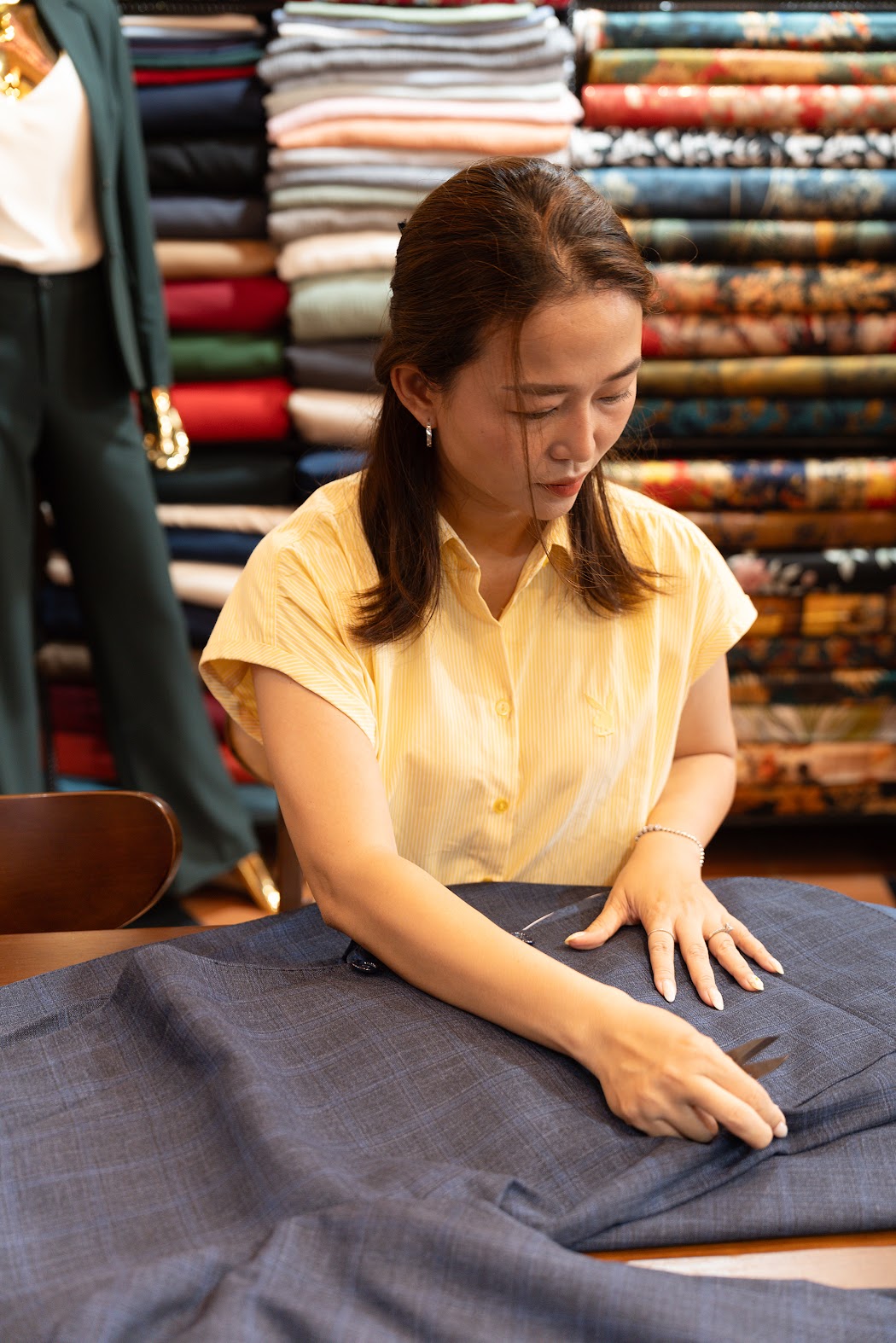
The selected fabric is then cut by hand, ensuring precision and appropriate fabric alignment. Initial assembly follows, allowing the garment to take its basic form. One or more fittings are scheduled, during which Vietnam Tailor carefully evaluates fit, comfort, and overall balance. Adjustments are made incrementally after each fitting until the garment meets functional and aesthetic requirements. Once the fit is finalized, the garment proceeds to final stitching, pressing, and finishing before delivery.
6. Measurement and Alteration Techniques of Vietnam Tailor
Measurement is the most critical stage in handcrafted tailoring, as it directly determines garment fit, balance, and long-term comfort. Vietnam Tailor records not only standard body dimensions such as chest, waist, hip, and inseam measurements but also carefully observes posture, shoulder alignment, back curvature, and leg position. These physical characteristics significantly influence jacket structure, sleeve balance, trouser drape, and the overall silhouette when the garment is worn.
In addition to static measurements, Vietnam Tailor pays attention to how the body moves during walking, sitting, and standing. Natural movement patterns help identify areas that may require additional allowance or structural support. This observational approach ensures that garments remain comfortable and functional during daily use, not only when the customer is standing still.
During fittings, Vietnam Tailor relies on real-time assessment while the customer wears the garment. Visual inspection, combined with hands-on adjustments, allows the tailor to detect tension points, excess fabric, pulling, or imbalance that may not be apparent on paper patterns. Fine modifications to shoulders, armholes, waistlines, seat depth, sleeve pitch, or trouser length are carried out based on experience rather than preset measurements.
This adaptive and iterative process often involves multiple fittings, with adjustments made gradually at each stage. Such refinement cannot be fully replicated by machines or standardized sizing systems. The ability to interpret body movement, fabric behavior, and structural balance is a defining skill of Vietnam Tailor and is essential to achieving a natural, accurate, and comfortable fit.
7. Fabric Selection in Handcrafted Tailoring in Hoi An
Vietnam Tailor in Hoi An works with a diverse range of fabrics, including cotton, linen, wool, and various blended materials. Fabric selection is influenced by climate conditions, intended usage, seasonal requirements, and customer budget. For example, lightweight and breathable fabrics are often recommended for warm and humid weather, while heavier or more structured materials may be selected for formal wear or cooler conditions.
Experience enables Vietnam Tailor to evaluate important fabric properties such as elasticity, weight, breathability, durability, and drape. These characteristics directly affect how the garment fits, moves, and performs over time. Certain fabrics provide greater flexibility, while others offer sharper structure or improved longevity, making fabric choice a key decision in the tailoring process.
In addition to recommending suitable materials, Vietnam Tailor provides guidance on proper garment care, including cleaning methods, ironing techniques, and storage recommendations. This advice helps customers preserve fabric quality, minimize wear, and maintain garment appearance over extended periods of use. Appropriate fabric selection, combined with informed care practices, plays a crucial role in ensuring long-term satisfaction with made-to-measure garments.
8. Differences Between Handcrafted Tailoring and Industrial Garment Production
Industrial garment production relies on standardized sizing systems and mass manufacturing processes. Garments are produced in large quantities using fixed patterns designed to fit average body measurements. As a result, individual body differences are often accommodated only through limited alterations.
In contrast, handcrafted tailoring focuses on individual customers and personalized production. Vietnam Tailor works directly with clients at every stage, from consultation and measurement to fittings and final adjustments. This direct interaction allows garments to be customized for a wide range of body types and personal preferences.
Multiple fittings and flexible adjustments are integral to handcrafted tailoring. Vietnam Tailor can refine garment details throughout the process, responding to customer feedback and physical observation. Industrial production, constrained by fixed templates and automated processes, lacks this level of adaptability. This degree of personalization represents the most significant difference between handcrafted tailoring and industrial garment production.
👉🏻 See more: Here!
9. Training and Experience of Vietnam Tailor
Vietnam Tailor typically begins training at a young age through a traditional apprenticeship model. This form of training emphasizes direct, hands-on learning under the guidance of experienced tailors. In the early stages, apprentices are assigned basic tasks such as fabric handling, ironing, thread trimming, and assisting with simple sewing work. These activities help them develop familiarity with different materials, tools, and workshop discipline.
As skills gradually improve, apprentices move on to more complex responsibilities, including pattern drafting, manual fabric cutting, and garment assembly. Learning how to construct collars, shoulders, sleeves, and garment structure requires years of practice and close observation. Each stage builds technical accuracy and an understanding of garment balance.
Practical experience plays a critical role in refining a Vietnam Tailor’s technique. Errors encountered during fittings and production provide valuable learning opportunities. Through repeated corrections and adjustments, tailors improve precision in fit, proportion, and comfort. Continued exposure to a wide range of body types further strengthens problem-solving abilities, particularly when working on structured garments such as men’s suits and wedding attire, where accuracy and balance are essential.
10. Customer Demand for Vietnam Tailor in Hoi An
Customers seeking Vietnam Tailor in Hoi An include both local residents and international visitors. Many clients choose handcrafted tailoring due to the need for accurate fit, personalized adjustment, and garments suited to individual body characteristics. For international visitors, the ability to complete tailored garments within a limited travel timeframe is also a key consideration.
Demand is strongly influenced by factors such as efficient turnaround, consistency in quality, and reasonable pricing compared to the level of craftsmanship delivered. Customers often value the opportunity to communicate directly with the tailor throughout the process.
Clear explanation of tailoring procedures, expected timelines, fitting schedules, and costs helps build customer confidence. A professional working attitude, transparency, and responsibility in handling alterations contribute significantly to long-term trust. These elements play an important role in sustaining the reputation of Vietnam Tailor in Hoi An across both domestic and international markets.
11. The Role of Custom Tailory Hoi An in Developing Handcrafted Tailoring
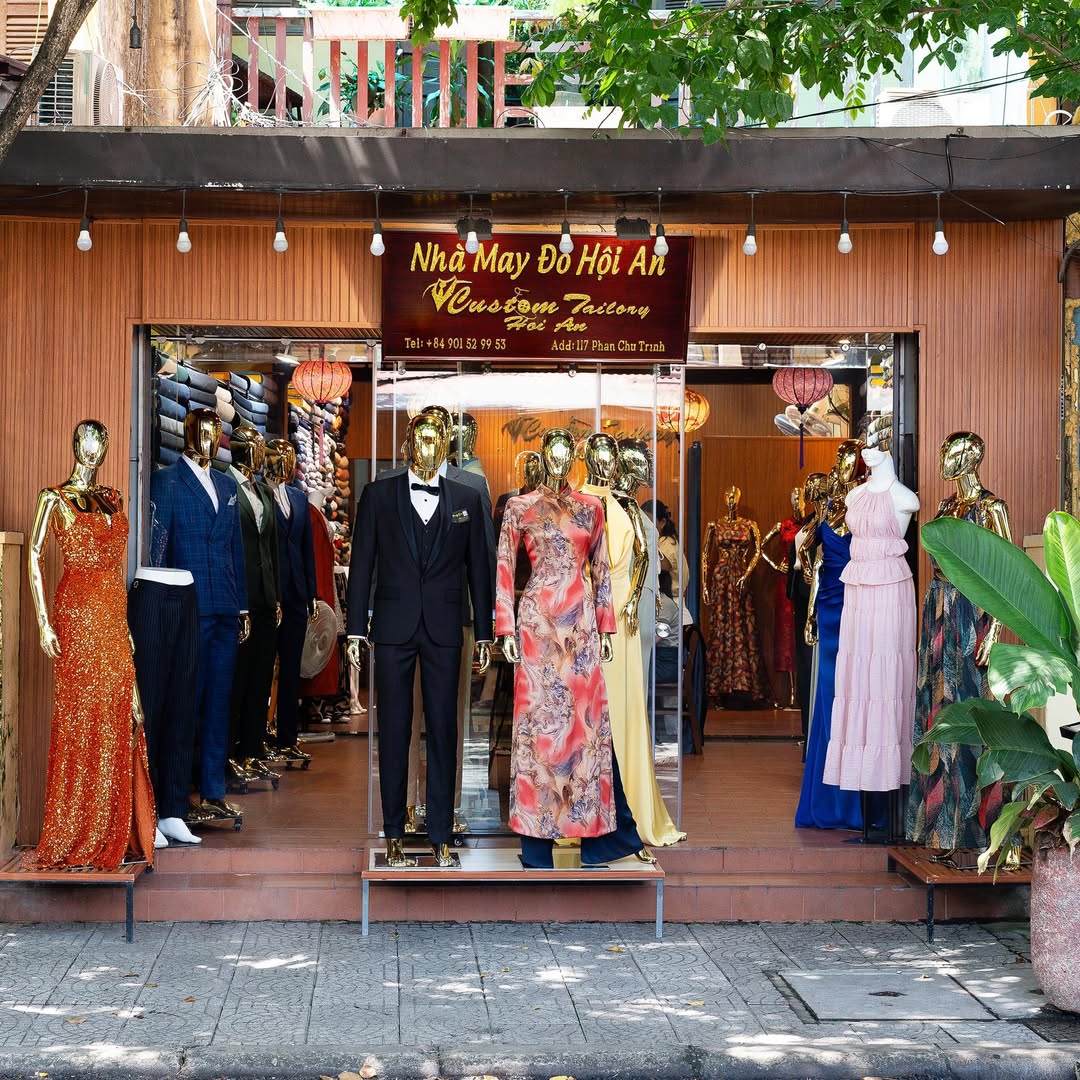
Custom Tailory Hoi An operates within the handcrafted tailoring sector with a focus on structured workflows, clearly defined service stages, and consistent product standards. By connecting customers with experienced Vietnam Tailor teams, the business helps preserve traditional tailoring techniques while ensuring that services align with modern customer expectations.
The working model emphasizes systematic consultation, precise measurement, and planned fitting schedules. Clear consultation procedures allow customers to understand garment options, fabric characteristics, timelines, and expected outcomes before production begins. Defined fitting stages ensure that adjustments are made progressively and accurately, reducing the risk of significant corrections at later stages.
Quality control practices applied throughout the tailoring process help maintain stable outcomes for customers. Each stage, from pattern drafting to final finishing, is monitored to ensure consistency in fit and construction. This structured approach minimizes misunderstandings, improves communication efficiency, and helps manage customer expectations throughout the tailoring process.
Through standardized service practices, Custom Tailory Hoi An contributes to strengthening the professional image of Vietnam Tailor in Hoi An. By presenting handcrafted tailoring in a clear and organized manner, these practices help customers better understand the value of skilled craftsmanship, from accurate measurement and pattern adjustment to careful finishing. As a result, customer confidence in Vietnam Tailor expertise is reinforced.
12. Criteria for Evaluating a High-Quality Vietnam Tailor
A high-quality Vietnam Tailor must demonstrate strong technical competence, beginning with accurate body measurement and flexible adjustment capability throughout the tailoring process. Effective measurement extends beyond recording basic body dimensions and requires careful observation of posture, shoulder alignment, back shape, and natural movement habits. These observations directly influence garment balance, comfort, and wearability.
Experience with diverse body types enables Vietnam Tailor to adapt patterns appropriately, helping to prevent common fitting issues such as tight shoulders, restricted movement, excess fabric, or unbalanced proportions. The ability to identify these issues during fittings and implement precise corrections reflects a high level of professional skill.
In addition to technical ability, working attitude is a critical evaluation factor. Clear communication regarding garment usage, timelines, fitting stages, and alteration options helps customers remain informed and confident throughout the process. Responsibility, punctuality, and a willingness to make reasonable adjustments demonstrate professionalism and commitment to quality. These qualities ensure that the final garment meets practical needs, provides long-term comfort, and aligns with customer expectations.
13. The Future of Vietnam Tailor in Hoi An

Despite increasing competition from industrial ready-to-wear garments, Vietnam Tailor in Hoi An continues to hold strong growth potential. Modern customers increasingly prioritize fit, comfort, and wearability—areas where handcrafted tailoring offers clear advantages over mass production.
If handcrafted tailoring maintains consistent quality, transparent processes, and professional service standards, it will remain a distinctive strength of Hoi An. Vietnam Tailor plays a central role in preserving traditional craftsmanship while adapting to evolving customer expectations.
Ongoing skill development, exposure to international styles, and adherence to professional working practices will support sustainable growth. By balancing tradition with practical service improvements, Vietnam Tailor in Hoi An can continue to build customer trust and maintain relevance in the modern tailoring industry.
Conclusion
Vietnam Tailor forms the essential foundation of handcrafted tailoring in Hoi An, from measurement and alteration techniques to final garment completion. With experience, precision, and a deep understanding of customer needs, Vietnam Tailor delivers distinctive value compared to industrial garment production. Through organizations such as Custom Tailory Hoi An, handcrafted tailoring is structured more professionally and reaches a wider audience. For further inquiries or tailored service consultation, customers can contact Custom Tailory Hoi An for detailed and suitable support.
📍 Address: 117 Phan Chu Trinh, Hội An, Đà Nẵng – Google Map
📞 Hotline: 0901 529 953
🌐 Fanpage: Customtailory Hội An
🌐 Website: https://www.customtailoryhoian.com/