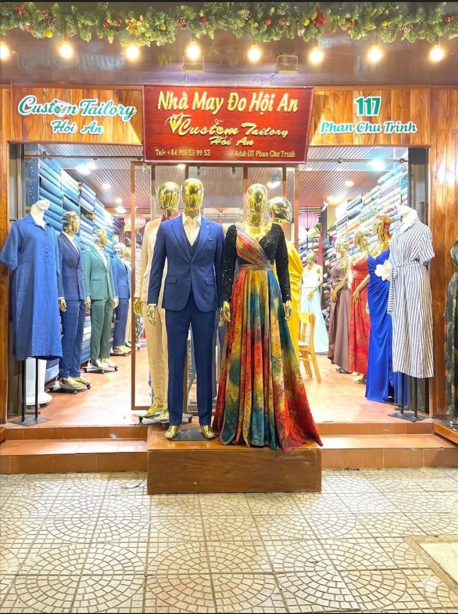
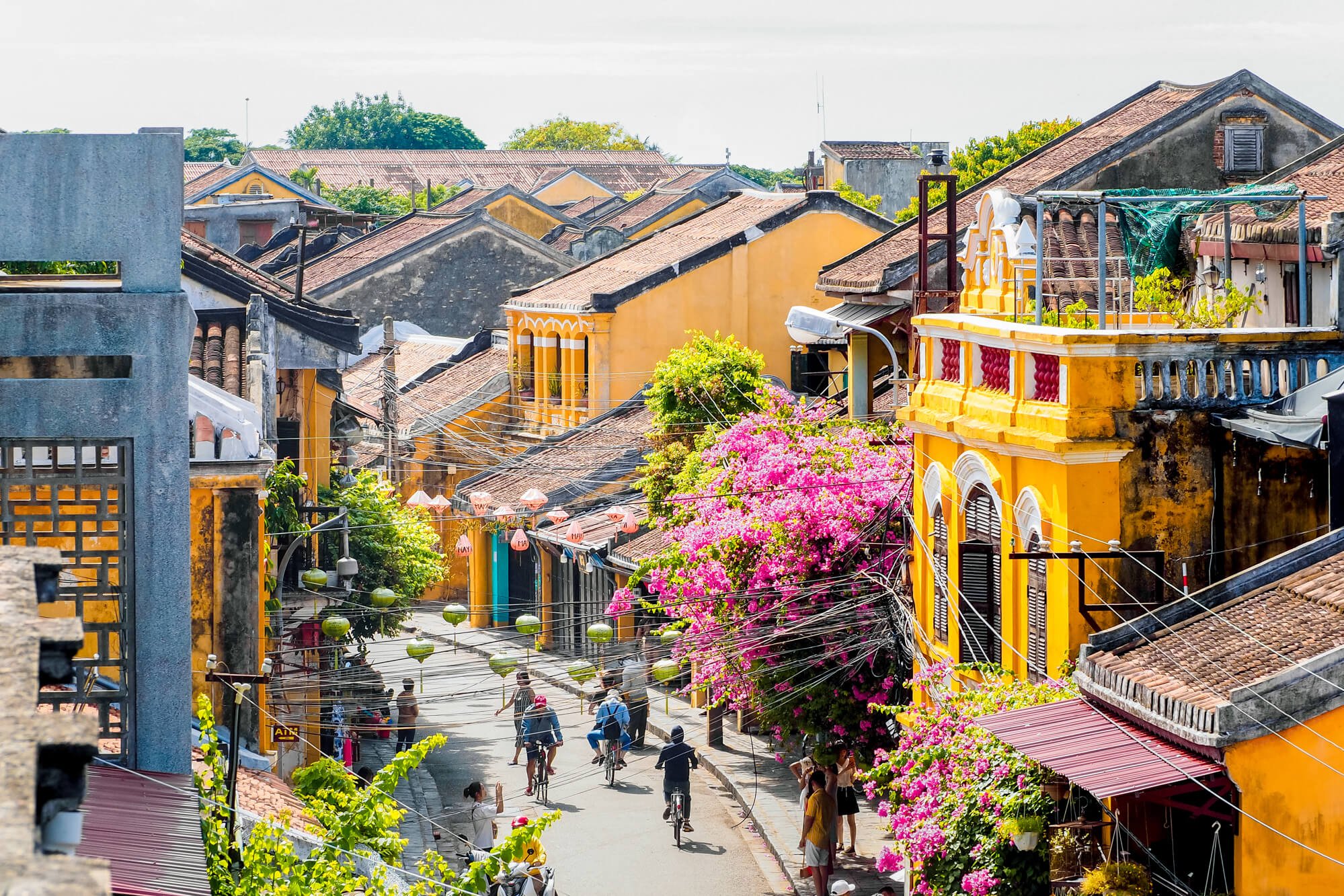
Hoi An is globally renowned for its enchanting yellow walls, glowing silk lanterns, and pristine beaches. However, for fashion enthusiasts and savvy travelers, this UNESCO World Heritage site represents something much more practical: a bespoke clothing paradise. Walking through the Ancient Town, you will be greeted by hundreds of local shops, each claiming to be the best tailor in Hoi An.
With so many options, navigating the tailoring scene can feel overwhelming. How do you distinguish a masterful seamstress from a fast-fashion tourist trap? What should you expect to pay for a bespoke suit or a custom silk dress? This comprehensive guide will walk you through everything you need to know about getting clothes made in Vietnam, the fabrics to choose, the step-by-step process, and an exclusive spotlight on a standout shop: Custom Tailory.
Why is Hoi An Famous for Tailoring?
The tradition of tailoring in Hoi An dates back centuries to when the city was a bustling trading port on the maritime silk route. Merchants from Japan, China, and Europe would stop here to trade high-quality silk, spices, and ceramics. This convergence of global trade brought an influx of premium fabrics and a demand for skilled artisans who could work with them.
Today, that legacy lives on. The city boasts a hyper-efficient ecosystem of weavers, pattern makers, and stitchers. What makes Hoi An unique is the combination of speed, affordability, and craftsmanship. While a bespoke suit in London’s Savile Row might take months and cost thousands of dollars, the best tailor in Hoi An can craft a stunning, made-to-measure garment in just 24 to 48 hours at a fraction of the cost.
The Fabric Ecosystem
A great garment begins with great fabric. Hoi An’s tailors have access to a vast array of textiles. Understanding these is crucial before you step foot in a shop.
-
Vietnamese Silk: Famous for its breathability and natural sheen. Perfect for evening gowns, slip dresses, and lightweight summer shirts.
-
Linen: The ultimate tropical fabric. It wrinkles easily but offers unmatched cooling properties. Ideal for casual button-downs, summer trousers, and relaxed blazers.
-
Cashmere and Wool Blends: Imported directly for suiting. The higher the wool percentage, the better the drape and longevity of your suit.
-
Cotton: Versatile and durable, used heavily for everyday dress shirts, chinos, and casual dresses.
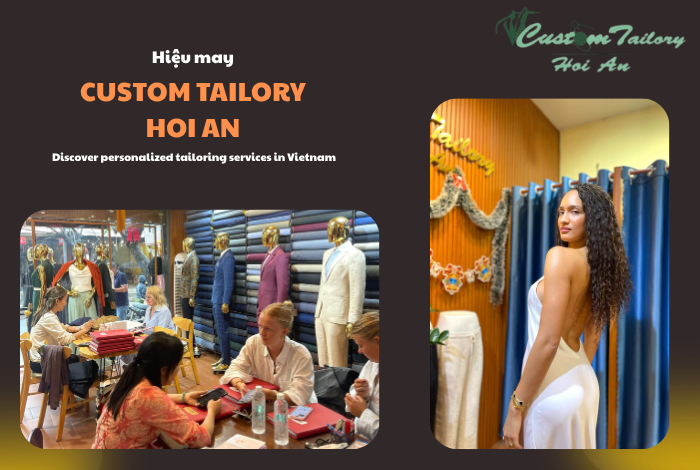
Spotlight: Custom Tailory – Redefining Bespoke in Hoi An
While the streets are lined with shops, finding a reliable, modern, and highly skilled establishment is the key to a successful w
ardrobe upgrade. If you are searching for the best tailor in Hoi An, you must visit Custom Tailory.
What Sets Custom Tailory Apart?
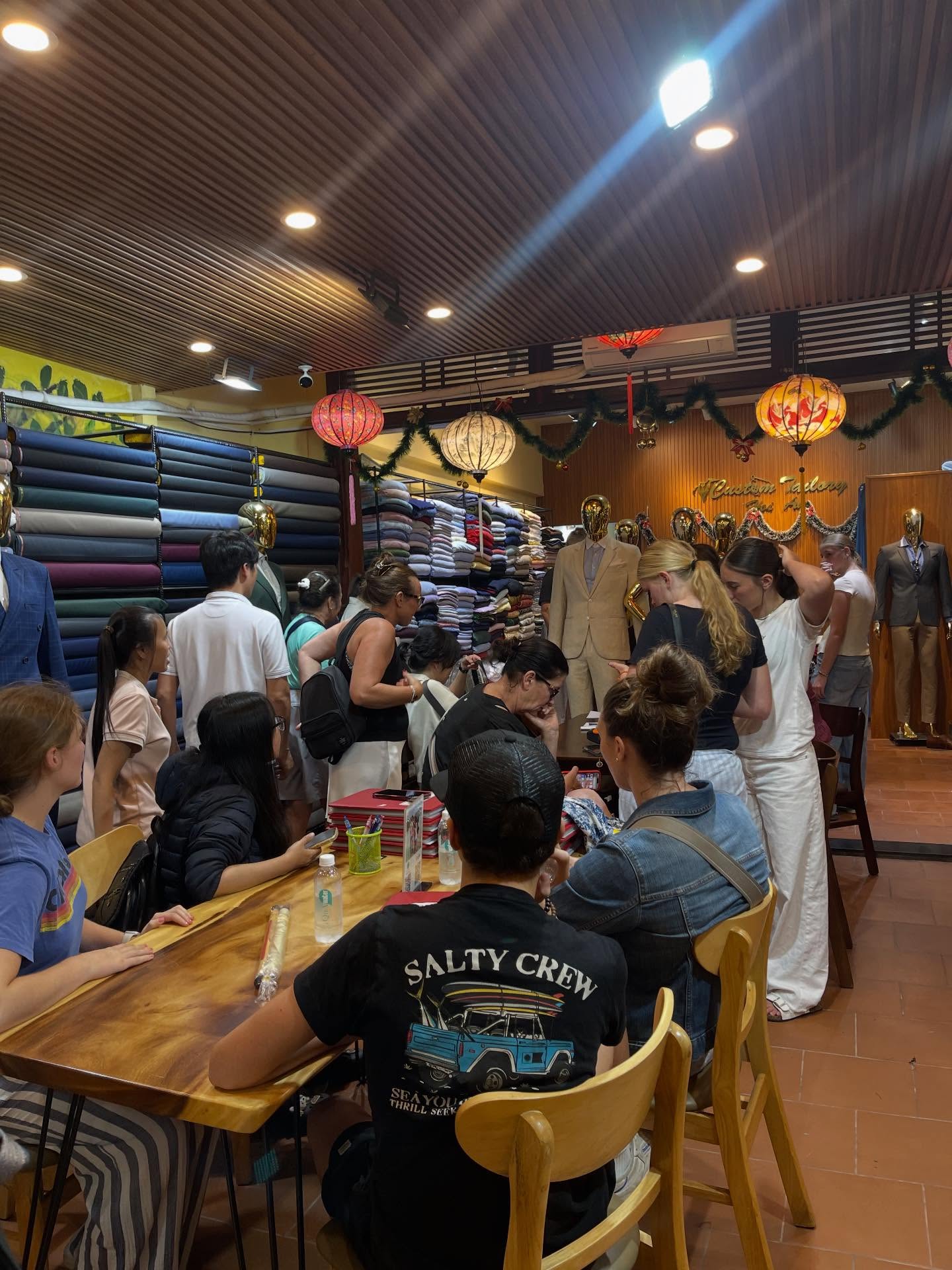
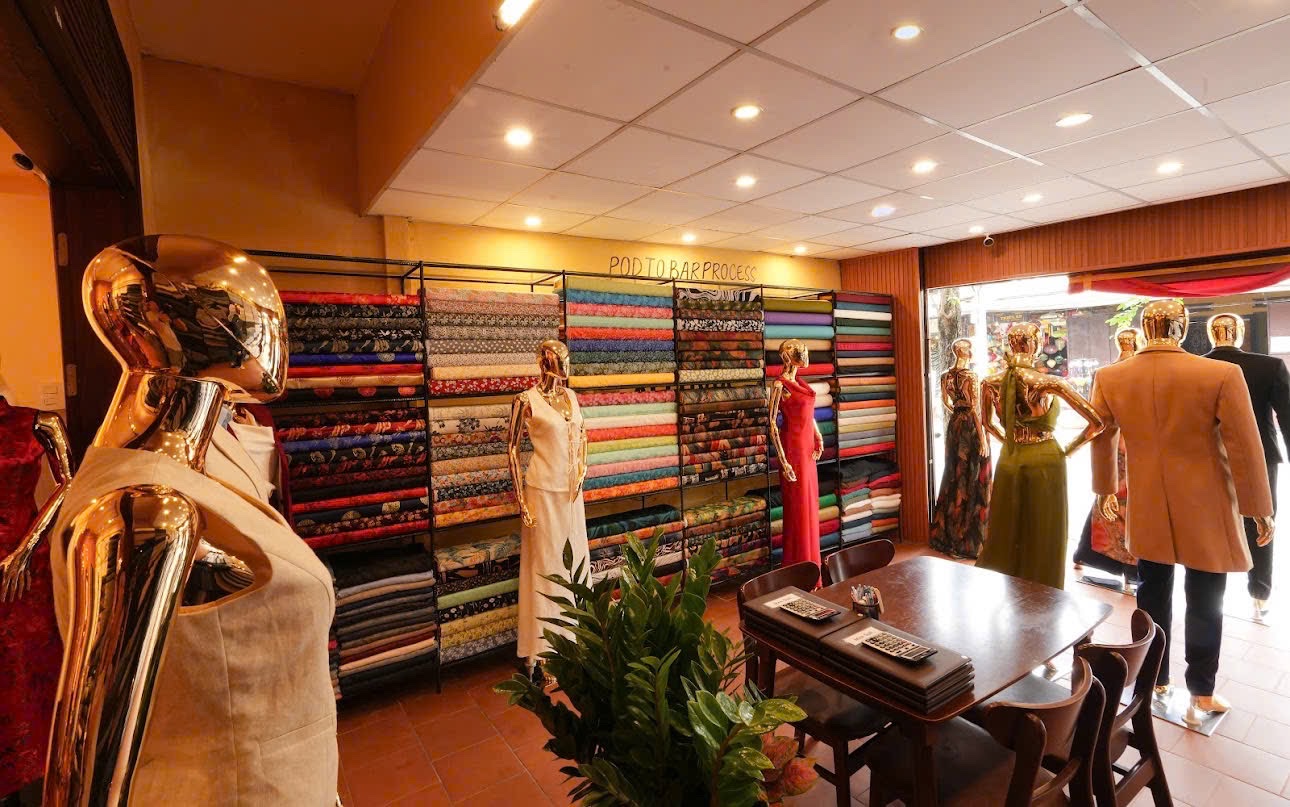
Unlike mass-production tourist shops that rely on outsourced sweatshops and rushed labor, Custom Tailory operates on a philosophy of meticulous craftsmanship and modern styling. They have successfully bridged the gap between traditional Vietnamese tailoring techniques and contemporary Western fashion standards.
-
Impeccable Attention to Detail: Custom Tailory does not just take your measurements; they assess your posture, shoulder slope, and body dynamics to ensure the garment moves perfectly with you.
-
Premium Fabric Sourcing: They boast an exclusive catalog of imported Italian wools, Irish linens, and authentic Bao Loc silk. They are completely transparent about fabric compositions—you will never be sold a polyester blend disguised as pure wool.
-
Modern Aesthetics: Many traditional tailors struggle to replicate modern, slim-fit, or unstructured designs. Custom Tailory excels at reading lookbooks and translating high-end runway trends into wearable, bespoke pieces.
-
Transparent Pricing: There are no hidden fees or aggressive haggling tactics. Custom Tailory offers fair, upfront pricing based strictly on the fabric chosen and the complexity of the design.
-
Post-Purchase Support: They maintain a digital record of your exact measurements. Once you return home, you can easily order new garments online, knowing they will fit perfectly.
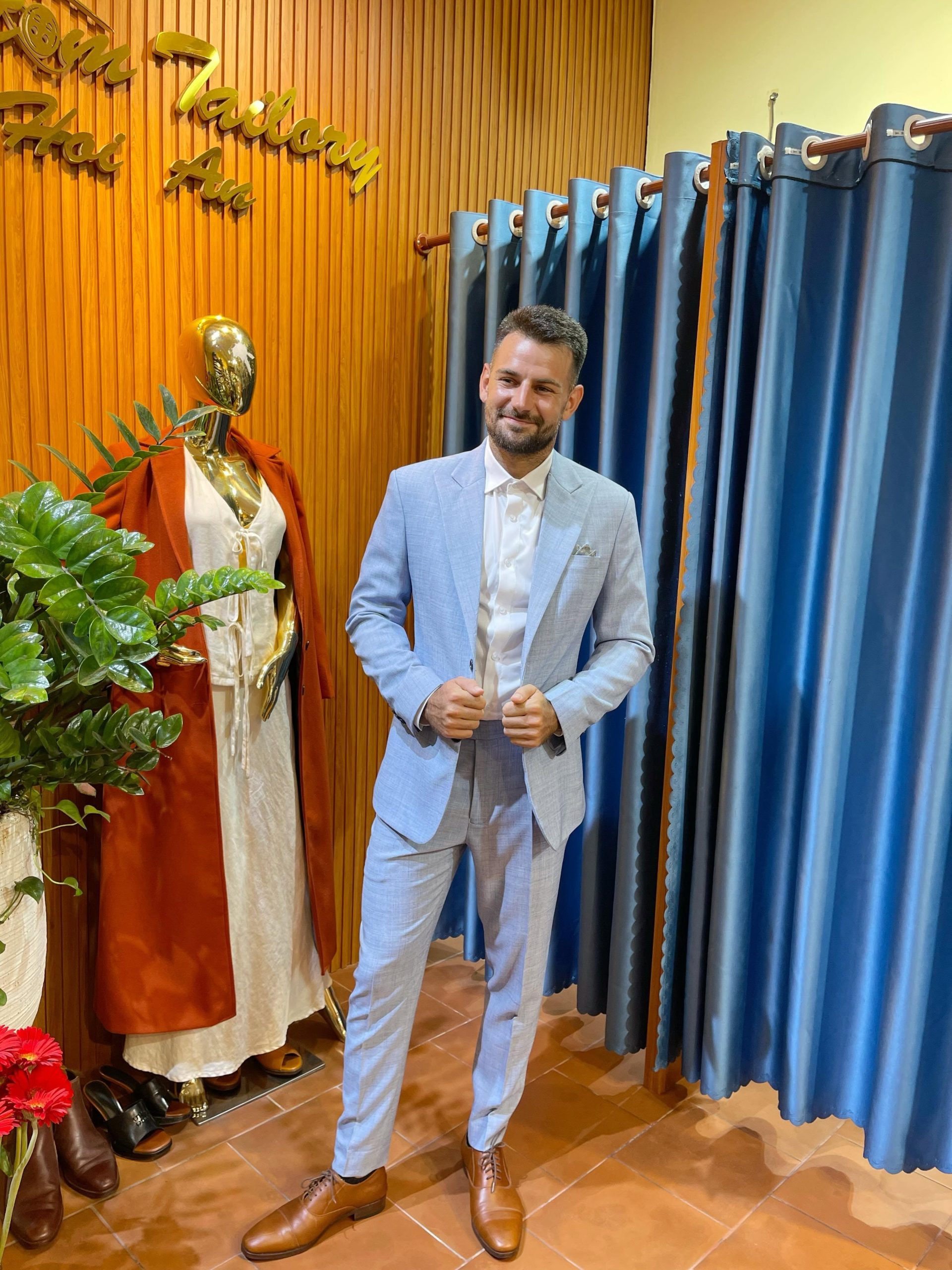
Whether you need a sharp, three-piece wedding suit, a meticulously draped silk dress, or an entire custom-fitted casual wardrobe, Custom Tailory provides an unparalleled bespoke experience in the heart of Vietnam.
How to Choose the Best Tailor in Hoi An
If you plan to explore multiple shops, you need a strict set of criteria to evaluate them. Do not simply walk into the first shop you see or rely entirely on your hotel’s recommendation (which often involves high commission kickbacks).
1. Inspect the Display Garments
The mannequins tell the real story. Look closely at the garments displayed in the window.
-
Check the stitching: Are the seams straight and tight?
-
Look at the lining: Is the inside of the jacket finished cleanly?
-
Examine the lapels: Do the lapels roll naturally, or do they look flat and stiffly ironed?
2. Assess Communication and English Proficiency
The best tailor in Hoi An is one who truly understands your vision. If the staff struggles to understand the difference between a “tapered leg” and a “straight leg,” or a “peak lapel” versus a “notch lapel,” you will likely be disappointed with the final product.
3. Feel the Fabric
A reputable shop will encourage you to touch the fabrics. They will perform the “burn test” on silk to prove its authenticity (real silk turns to ash; synthetic melts like plastic). They will explain the difference between Super 110s and Super 150s wool. Avoid shops that rush you through the fabric selection process.
4. Check Turnaround Times
Beware of shops that promise a full bespoke suit in 12 hours. Quality tailoring requires time. A proper suit should require at least two to three fittings over a span of 3 to 5 days.
The Step-by-Step Tailoring Process
Getting bespoke clothing is a collaborative journey. Here is exactly what you should expect when working with top-tier establishments like Custom Tailory.
Step 1: Inspiration and Consultation
Before arriving, save photos on your phone. Create a Pinterest board of the styles, cuts, and details you want. When you enter the shop, you will sit down with a consultant to discuss the purpose of the garment, the climate you live in, and your styling preferences.
Step 2: Fabric and Detail Selection
This is where the magic happens. You will browse through massive catalogs of fabric swatches. Once the main material is chosen, you will customize the minutiae:
-
Button styles (horn, mother of pearl, brass).
-
Lining patterns (solid colors, paisley, floral).
-
Lapel width and style.
-
Pocket variations (patch, flap, ticket).
-
Monogramming options.
Step 3: Precise Measurements
A master tailor will take anywhere from 15 to 30 different measurements. They will measure your chest, waist, and inseam, but also your wrist circumference, the drop of your shoulders, and the arch of your back.
Step 4: The First Fitting (The Baste Fitting)
Usually happening 24 hours later, the first fitting is often done with the garment only loosely stitched together (basted). Do not panic if it looks unfinished or fits strangely. This stage is meant to adjust the foundational structure—checking the sleeve length, the trouser break, and the shoulder width. Speak up! If it feels tight across the back or loose in the waist, tell them immediately.
Step 5: The Second Fitting
By the second fitting (often on day 3), the garment is 90% complete. The lining is in, the pockets are set, and the structure is solid. This fitting is for micro-adjustments—taking in a quarter-inch at the waist or slightly tapering the ankle.
Step 6: Final Try-On and Collection
Your final visit ensures the garment is absolutely flawless. Once approved, the shop will steam and press the items, packing them carefully for your flight home.
What to Get Tailored: The Best Investments
While you can technically get anything made, certain items offer the best return on investment when visiting Hoi An.
1. The Bespoke Business Suit
This is the holy grail of Hoi An tailoring. An off-the-rack suit rarely fits perfectly without extensive alterations. In Hoi An, you can get a fully customized, half-canvas or full-canvas wool suit tailored to your exact physique.
2. Custom Winter Coats
Cashmere and heavy wool coats are incredibly expensive in Western countries. Bringing a photo of a high-end designer trench coat or peacoat and having it replicated in pure wool is one of the smartest tailoring investments you can make.
3. Silk Dresses and Evening Wear
For women, the access to premium Vietnamese silk makes this the perfect place to design an elegant slip dress, a sophisticated evening gown for a gala, or even a custom wedding dress.
4. Casual Linen Wardrobes
Linen shirts and trousers are essential for the tropical heat. Having a few breathable, perfectly fitted linen button-downs made will elevate your casual summer style instantly.
The Sustainability Factor: Why Bespoke Beats Fast Fashion
In an era dominated by micro-trends and disposable clothing, visiting the best tailor in Hoi An offers more than just a stylistic upgrade; it is a profound step toward sustainable, conscious consumerism. The global fast-fashion industry is notorious for immense textile waste and poor labor conditions. Bespoke tailoring flips this destructive model on its head.
When you commission a piece from a reputable establishment like Custom Tailory, you are participating in a zero-waste production cycle. Clothes are not mass-produced in the thousands, hoping someone will buy them before they end up in a landfill. Instead, every single yard of fabric is cut with a specific human being in mind.
Furthermore, you are directly supporting the local artisan economy. The intricate skills of pattern making, hand-stitching, and structural pressing have been passed down through generations of Vietnamese families. By investing in custom garments, you ensure that these traditional crafts survive in the modern age, providing fair wages to master artisans rather than faceless manufacturing conglomerates. High-quality custom clothes are built to last a lifetime, reducing your overall consumption and carbon footprint over the years.
Deep Dive into Customization: Make the Garment Truly Yours
One of the most thrilling aspects of working with the best tailor in Hoi An is the absolute control you have over the minutiae of your garment. Off-the-rack clothing dictates your style; bespoke tailoring allows you to express it. If you are new to the custom clothing world, here is a breakdown of the premium details you can request at Custom Tailory to elevate your garments from standard to spectacular.
1. The Jacket Foundation: Half-Canvas vs. Full-Canvas
The “canvas” is the hidden layer of material (usually horsehair and wool) between the outer fabric and the inner lining of a suit jacket. It gives the jacket its shape.
-
Fused (Avoid): Cheap suits use glue to fuse the fabric together. It looks stiff and can bubble after dry cleaning.
-
Half-Canvas (Excellent): Canvas is used in the chest and lapels, allowing the jacket to drape naturally over your upper body while keeping costs reasonable.
-
Full-Canvas (The Pinnacle): The entire front of the jacket is canvassed. It requires meticulous hand-stitching and will literally mold to your body shape over time, becoming more comfortable with every wear. Custom Tailory specializes in flawless canvassing techniques.
2. The Lapels: Notch, Peak, or Shawl?
The lapel is the visual anchor of your jacket.
-
Notch Lapel: The standard, highly versatile choice for business suits and casual blazers.
-
Peak Lapel: Points upward toward the shoulders. It creates a striking, V-shaped illusion, making your shoulders look broader and your waist narrower. Perfect for power suits and double-breasted jackets.
-
Shawl Lapel: A smooth, continuous curve. Strictly reserved for tuxedos and elegant evening wear.
3. Trouser Details: Ditching the Belt
A true bespoke trouser fits so perfectly that a belt becomes entirely unnecessary. Ask your tailor for side adjusters—small buckles on the waist that allow you to tighten or loosen the trousers by a fraction of an inch after a heavy meal. You can also request single or double pleats for a classic, vintage-inspired silhouette that provides extra room in the thighs, or opt for a sleek, flat-front design for a sharp modern aesthetic.
4. The Functional Cuffs (Surgeon’s Cuffs)
On cheap suits, the buttons on the sleeve are purely decorative. At a premium tailor, you can request “surgeon’s cuffs,” meaning the buttons actually unbutton. While you may rarely need to roll up your suit sleeves, leaving the last button undone is a subtle, unspoken flex in the menswear world that signals your suit is custom-made.
5. Shirt Plackets and Collars
When designing custom dress shirts, the collar dictates the formality. A Cutaway Collar is aggressive, modern, and perfectly frames a thick tie knot. A Button-Down Collar is inherently casual, perfect for Oxford shirts worn without a tie. Do not forget to choose a French Cuff if you plan to wear cufflinks, and consider adding a subtle, hand-stitched monogram on the cuff or left rib for that final touch of personalized luxury.
Special Occasions: Tailoring for Destination Weddings
Hoi An has rapidly become a premier destination for international weddings, and the tailoring scene plays a massive role in this boom. Finding the best tailor in Hoi An is critical if you are outfitting an entire bridal party or preparing for the most important sartorial moment of your life.
Custom Tailory has established a dedicated wedding consultation service specifically for this purpose. Coordinating groomsmen suits is notoriously difficult when friends live in different cities and have vastly different body types. By bringing your groomsmen to Custom Tailory, the entire party can be fitted in identical fabrics, ensuring the photos look perfectly cohesive.
For grooms, the environment of Vietnam allows for creative freedom. Instead of renting a generic, ill-fitting black tuxedo back home, you can design a spectacular three-piece suit in a breathable Italian wool or a stunning ivory linen suit perfect for a beachside ceremony. The tailors will expertly factor in the climate of your wedding destination, ensuring you look sharp without overheating under the sun or the camera lights.
How to Care for Your Bespoke Garments
Once you have invested in a custom wardrobe, proper maintenance is crucial to ensure longevity. Even a masterpiece from the best tailor in Hoi An will deteriorate if treated poorly.
-
Invest in Wooden Hangers: Never use wire hangers. They will permanently destroy the shoulder structure of your bespoke jackets. Use thick, contoured cedar wood hangers that mimic the shape of human shoulders and naturally repel moths.
-
Limit Dry Cleaning: The harsh chemicals used in dry cleaning break down natural wool and silk fibers. You should only dry clean a suit once or twice a year unless visibly stained. Instead, use a stiff bristle garment brush after each wear to remove dust and dirt.
-
Steam, Do Not Iron: Ironing a suit jacket can crush the canvas inside and leave an ugly, shiny mark on the wool. Use a handheld garment steamer to gently relax the wrinkles.
-
Rotate Your Wardrobe: Wool needs time to rest and regain its shape. Never wear the same bespoke suit two days in a row.
Beyond the Trip: Building a Lifelong Wardrobe
Perhaps the greatest advantage of visiting a premium establishment like Custom Tailory is what happens after you leave Vietnam. Finding a tailor you trust is like finding a good mechanic or a great barber—once you find them, you never want to let them go.
Top-tier tailors will keep your precise paper patterns and digital measurements meticulously archived. This transforms a one-time vacation purchase into a lifelong sartorial partnership. Six months down the line, if you need a new linen suit for an upcoming summer vacation or a batch of fresh Oxford shirts for the office, you do not need to fly back to Hoi An. You simply send an email, select your fabrics via high-resolution photos or mailed swatches, and the team will craft and ship your bespoke garments globally via DHL or FedEx.
By taking the time to seek out the absolute best tailor in Hoi An during your visit, you are effectively securing a personal clothier for life, ensuring you never have to settle for poorly fitting, off-the-rack clothing ever again.
Average Pricing Guide for Hoi An Tailors
Prices vary wildly depending on the shop’s reputation, the quality of the fabric, and the complexity of the design. Below is an estimated pricing guide to help you budget for the best tailor in Hoi An.
| Garment Type | Economy Fabric / Basic Tailor | Premium Fabric / Top-Tier Tailor (e.g., Custom Tailory) |
| Men’s 2-Piece Suit | $100 – $150 (Blends) | $250 – $400+ (Imported Wool/Cashmere) |
| Men’s Dress Shirt | $20 – $30 (Cotton Blend) | $45 – $70 (Egyptian/Premium Cotton) |
| Women’s Silk Dress | $40 – $60 (Synthetic/Basic) | $90 – $150+ (100% Pure Silk) |
| Winter Overcoat | $80 – $120 (Wool Blend) | $180 – $300 (Pure Cashmere/Heavy Wool) |
| Linen Trousers | $30 – $40 | $60 – $80 (High-grade Irish Linen) |
Note: While you can haggle in the market stalls, premium establishments like Custom Tailory usually operate with fixed, transparent pricing to ensure fair wages for their artisans and maintain high-quality material sourcing.
Pro-Tips for the Ultimate Tailoring Experience
To ensure you walk away with garments you will wear for years, keep these insider tips in mind:
-
Plan Your Time: Do not leave tailoring to the last day of your trip. Visit the tailor on Day 1 of your Hoi An itinerary to allow ample time for multiple fittings.
-
Bring Your Favorites: If you have a shirt that fits perfectly but is wearing out, bring it! Tailors can deconstruct the sizing and create an exact replica in a new fabric.
-
Wear the Right Shoes: When going for a trouser or suit fitting, wear the type of shoes you plan to wear with the outfit. This is critical for getting the “break” (the fold of the pant over the shoe) exactly right.
-
Wash Before Wearing: For casual cotton and linen items, ask if the fabric has been pre-shrunk. If not, accommodate for slight shrinkage after the first wash.
-
Beware of the “Hard Sell”: You only came in for one suit, but suddenly they are offering three suits, five shirts, and a tie for a “special price.” Stick to your budget and focus on quality over quantity. A wardrobe full of mediocre clothes is worse than one exceptional, perfectly fitted suit.
The Verdict on Finding the Best Tailor in Hoi An
Getting custom clothing made in Vietnam is a deeply rewarding experience that blends cultural immersion with practical luxury. The feeling of wearing a garment designed entirely around your body is unparalleled.
When searching for the best tailor in Hoi An, prioritize clear communication, transparent pricing, and high-quality fabric over aggressively cheap deals. By choosing a reputable, modern outfitter like Custom Tailory, you guarantee yourself an stress-free experience, a modern silhouette, and garments that will remain staples in your wardrobe for years to come.
Take your time, bring your inspiration, and enjoy the art of bespoke fashion in one of the most beautiful cities in the world.
Conclusion
To own a beautiful and well-fitting suit, prioritize choosing a skilled tailor, a professional work process, and a clear alteration policy instead of just focusing on price. Preparing in advance regarding style, material, and taking the time to try on the suit will help optimize both cost and quality. When choosing the right suit tailor shop Hoi An, you will not only have a suitable outfit but also a memorable tailoring experience.
📍 Address: 117 Phan Chu Trinh Hội An ĐN Google Map
📞 Hotline: 0901 529 953
🌐 Fanpage: Customtailory Hội An
🌐 Website: https://www.customtailoryhoian.com/