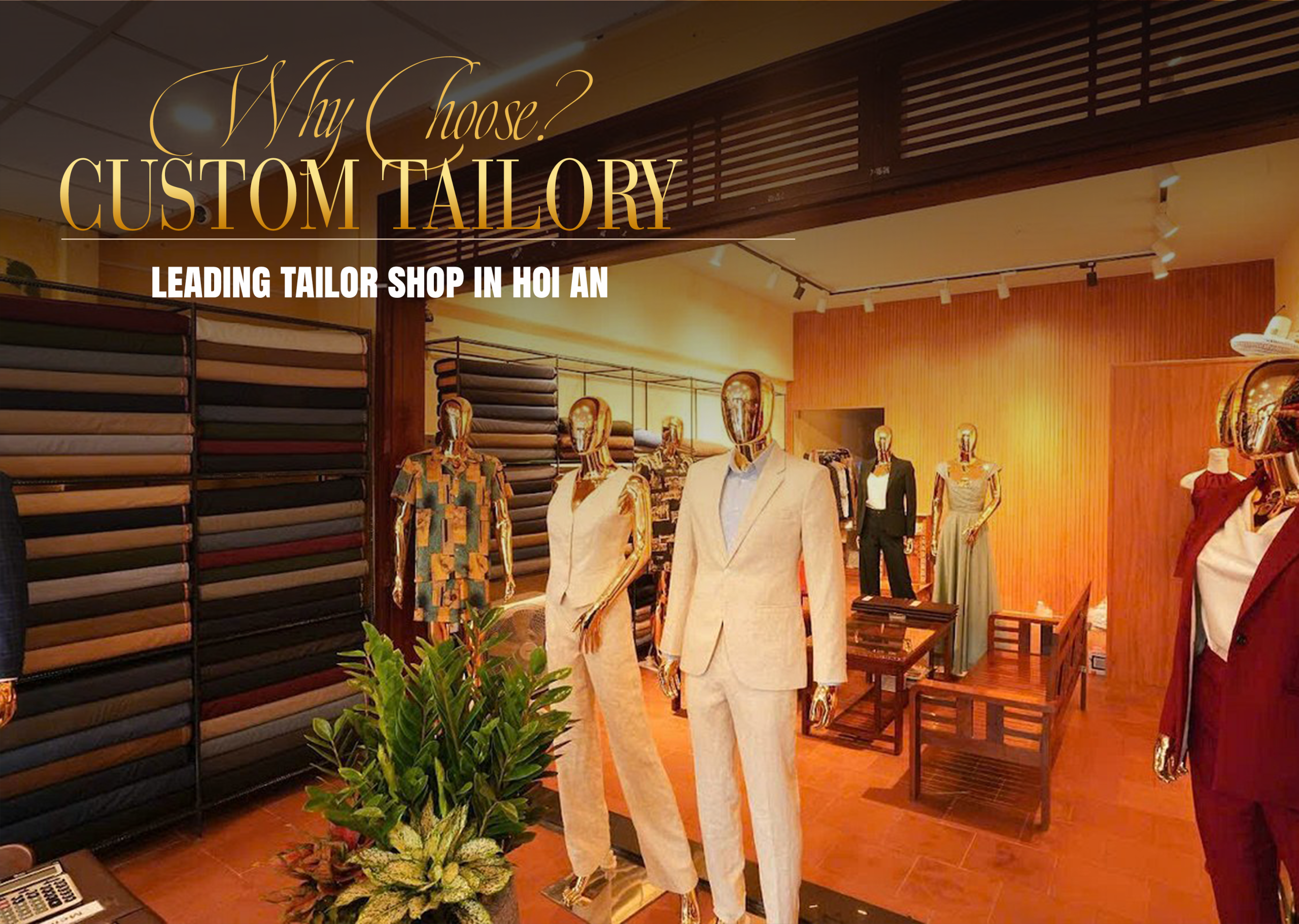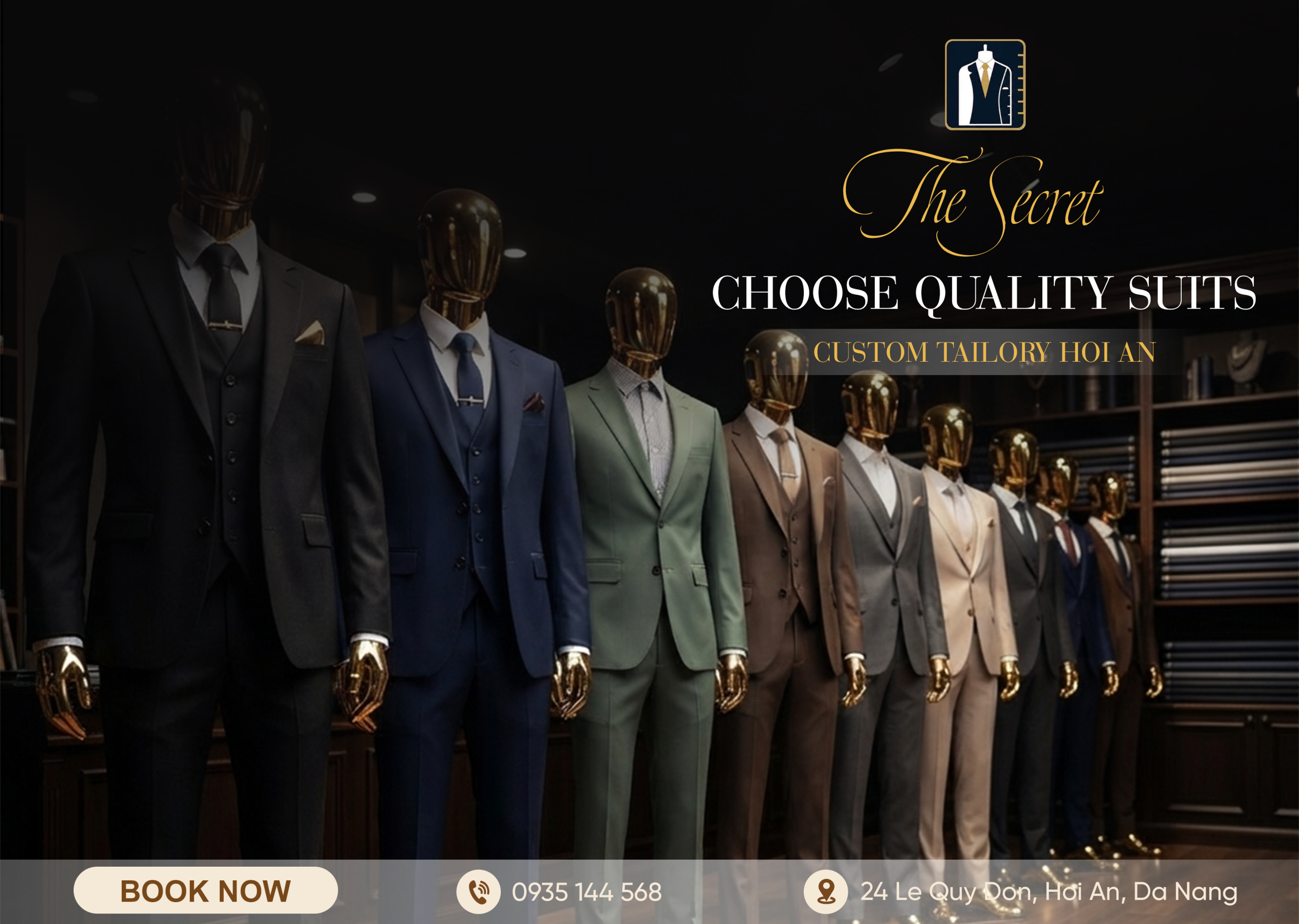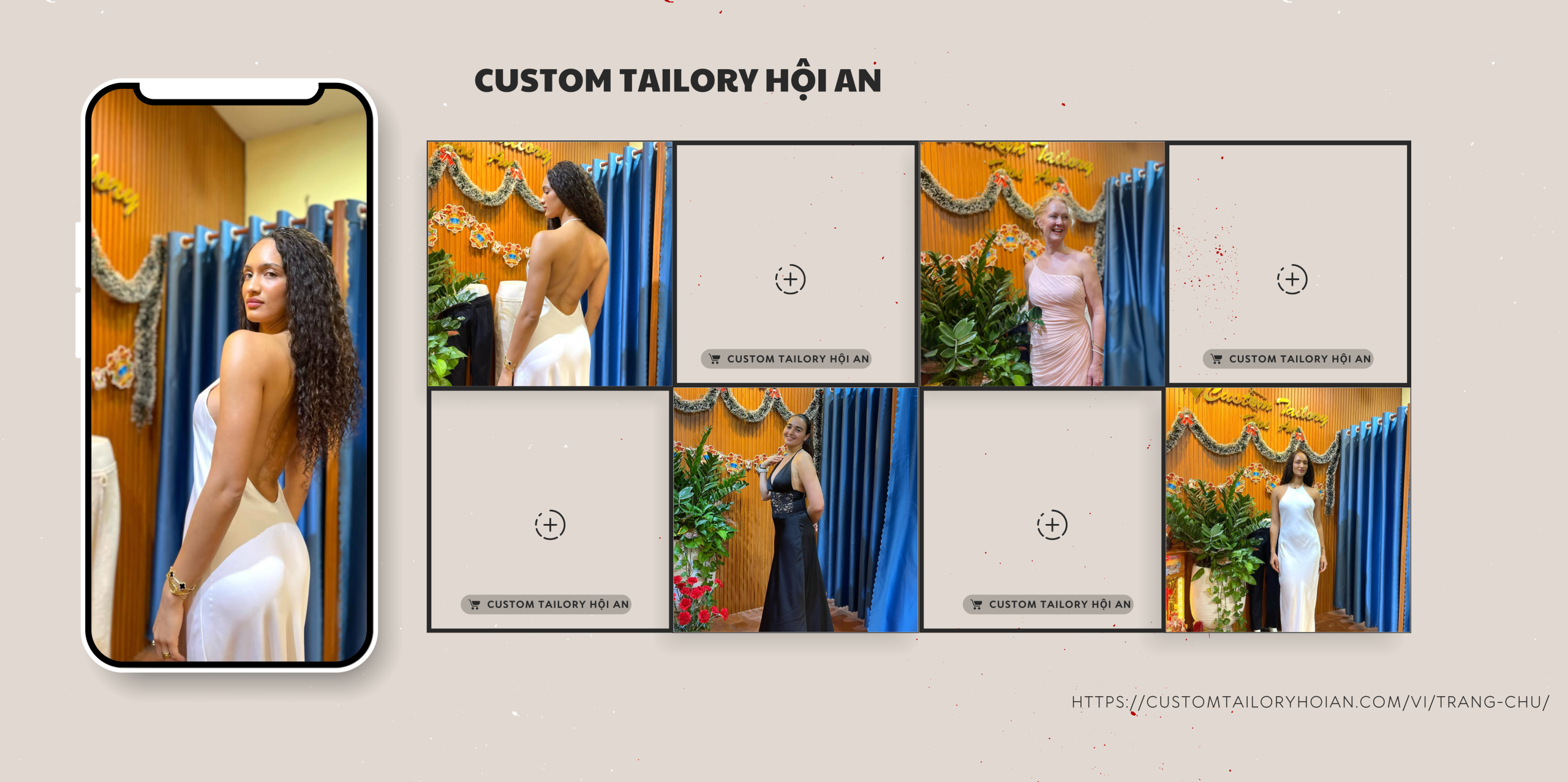
Suit tailors in Hoi An are a popular choice for customers seeking custom-made men’s suits and wedding suits tailored to individual body measurements. A Hoi An suit tailor focuses on made-to-measure craftsmanship, ensuring proper fit, comfort, and long-term wearability.
This article provides an in-depth analysis of suit tailoring services in Hoi An, covering the measuring process, fabric selection, tailoring techniques, production timelines, and factors affecting the final garment quality. In this article, Custom Tailory Hoi An is mentioned as a real-world example within Hoi An’s tailoring industry, helping readers understand how to evaluate and choose a suitable Hoi An suit tailor.
1. Overview of Suit Tailoring Services in Hoi An
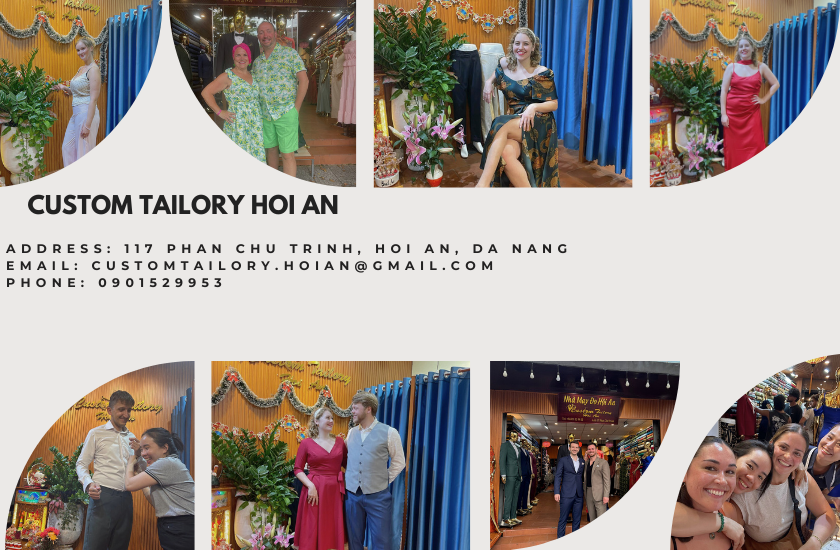 Suit tailoring in Hoi An has grown strongly due to increasing demand for custom men’s suits and wedding suits from both domestic and international customers. A Hoi An suit tailor typically specializes in made-to-measure production based entirely on personal measurements rather than standard sizing, ensuring improved fit and easier future adjustments.
Unlike ready-to-wear suit shops, a Hoi An suit tailor emphasizes handcrafted processes, including body measurement, pattern drafting, fabric cutting, and detailed finishing. This approach creates a clear difference in fit accuracy, comfort during wear, and individuality of each suit. As a result, customers often prefer working with a Hoi An suit tailor when seeking reliable tailoring quality.
👉🏻 Read more: Here!
2. Differences Between Men’s Suits and Wedding Suits in Hoi An
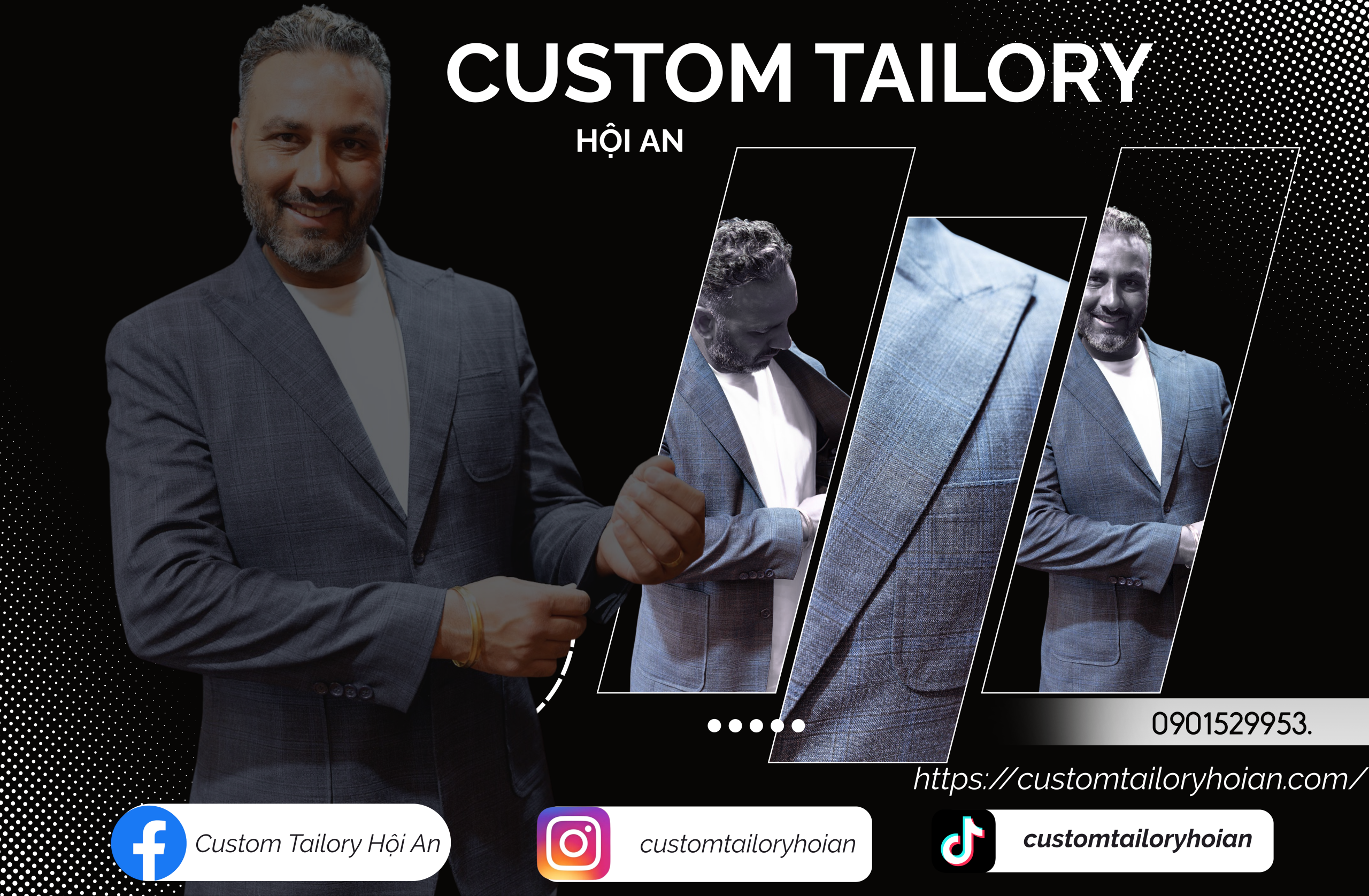
Men’s suits and wedding suits are both tailored garments, but their purposes differ, leading to distinct technical requirements. A Hoi An suit tailor usually conducts separate consultations to identify the appropriate construction method for each type of suit.
Men’s suits prioritize versatility and practicality, allowing them to be worn in office environments, business meetings, or formal events. Wedding suits, however, focus more on silhouette, color coordination, and refined detailing. An experienced Hoi An suit tailor adjusts these elements to suit the wedding setting and enhance the groom’s appearance on the ceremony day.
3. Working Process of Suit Tailors at Custom Tailory Hoi An
The tailoring process directly determines fit, aesthetics, and durability. A structured process allows customers to assess the professionalism of a Hoi An suit tailor more accurately. At Custom Tailory Hoi An, the working process is divided into clear stages, ensuring that each men’s suit and wedding suit is crafted based on actual body measurements and usage needs.
Below are the core steps commonly applied by a handcrafted Hoi An suit tailor.
3.1. Body Measurement and Body Shape Analysis
A Hoi An suit tailor takes precise measurements at critical points such as shoulders, chest, waist, hips, arms, wrists, and jacket length. Beyond numerical measurements, the tailor evaluates posture and movement. Factors including shoulder slope, back curvature, and body proportions are carefully recorded.
This detailed analysis enables the Hoi An suit tailor to create an accurate pattern from the outset, minimizing common issues such as uneven shoulders, excess fabric, back creases, or tightness in key areas. For both men’s suits and wedding suits, this step plays a decisive role in final comfort and appearance.
3.2. Style Consultation and Usage Purpose
After completing measurements, the Hoi An suit tailor discusses the intended use of the suit with the customer. Office suits, event suits, and wedding suits each require different construction levels, jacket lengths, and design details. Clarifying the purpose helps guide all tailoring decisions.
During consultation, a Hoi An suit tailor evaluates suitable styles based on the customer’s physique. Lapel shape, button configuration, jacket fit, and sleeve length are adjusted to ensure the suit matches its intended use and maintains structure over time.
👉🏻 Read more: Here!
4. Fabric Selection for Men’s Suits and Wedding Suits
Fabric choice significantly affects comfort, durability, and structure. A Hoi An suit tailor typically offers a wide selection of fabrics suited to different climates, budgets, and wearing frequencies. Proper fabric selection supports shape retention, wrinkle control, and ease of maintenance.
Understanding fabric characteristics is an essential part of the consultation process with a Hoi An suit tailor before cutting begins.
4.1. Common Fabrics Used in Hoi An
A Hoi An suit tailor commonly works with wool, wool blends, cotton, and linen. Wool remains the most widely used fabric due to its balanced structure, natural elasticity, and breathability. These properties make wool suitable for business suits, formal wear, and wedding suits.
Wool blends are also favored by many Hoi An suit tailors because they improve wrinkle resistance, enhance durability, and simplify maintenance while maintaining a similar visual appearance. Cotton and linen are selected for warmer climates or lightweight suits. Linen offers excellent breathability but wrinkles easily, while cotton provides softness with improved wrinkle control.
Each fabric requires specific construction techniques, and a skilled Hoi An suit tailor adjusts tailoring methods accordingly to ensure durability and visual balance.
4.2. Choosing Fabric Based on Usage
One notable advantage of working with a Hoi An suit tailor is relatively fast production, especially for travelers with limited stays. Many tailoring shops can complete men’s suits and wedding suits within a short timeframe while maintaining essential handcrafted steps.
However, completion time varies depending on design complexity, fabric choice, construction methods, and the number of fittings required. A reputable Hoi An suit tailor prioritizes accuracy over speed to ensure consistent quality.
5. Suit Completion Time in Hoi An
One of the notable advantages of suit tailors in Hoi An is their relatively fast production timeline, which is particularly appealing to travelers with limited stays. Many tailoring shops are able to complete men’s suits or wedding suits within a short period while still maintaining essential handcrafted steps.
Despite the efficient turnaround, completion time is influenced by several factors. Design complexity, fabric type, construction methods, and the number of fitting sessions all play important roles in determining how quickly a suit can be finished. More structured suits or those requiring intricate detailing naturally require additional time to achieve proper fit and finish.
5.1. Average Time for Men’s Suits
Basic men’s suits typically require three to five days to complete. This timeframe generally includes the initial measurement, fabric cutting, suit construction, and at least one fitting session. During fittings, a Hoi An suit tailor carefully evaluates the overall silhouette and makes necessary refinements to key areas such as shoulder alignment, waist shape, jacket length, and sleeve proportion.
For short-stay visitors, a Hoi An suit tailor may offer flexible scheduling or accelerated timelines to accommodate travel plans. However, even with faster production, allowing sufficient time for fittings remains essential. Proper fitting sessions ensure the suit achieves correct balance, comfort, and freedom of movement, resulting in a polished and well-structured final garment.
5.2. Wedding Suit Completion Time
Wedding suits generally require a higher level of technical precision and attention to detail compared to standard men’s suits. As a result, the completion time may extend by one to two additional days. Suit tailors in Hoi An devote extra care to elements such as lapel construction, jacket structure, shoulder alignment, and back vents.
Multiple fittings are often recommended for wedding suits to ensure the garment fits flawlessly and appears balanced from all angles. Final fittings allow tailors to identify and correct even minor imperfections, ensuring the suit complements the groom’s posture and movement.
This careful approach ensures that the wedding suit not only fits perfectly on the day of the ceremony but also photographs well and remains comfortable throughout the event.
👉🏻 Read more: Here!
6. Criteria for Evaluating Suit Tailors in Hoi An
The quality of tailoring can vary significantly between different shops, making careful evaluation essential before commissioning a men’s suit or wedding suit. Applying clear and practical evaluation criteria helps reduce risk, manage expectations, and identify reliable suit tailors in Hoi An who can consistently deliver well-fitted and durable garments.
Understanding these criteria allows customers to assess both technical ability and service quality, which are equally important in achieving a satisfactory final result.
6.1. Experience and Skill
Experienced suit tailors in Hoi An generally demonstrate higher pattern accuracy and make fewer technical errors during construction. Their skill is reflected in details such as even and precise stitching, balanced shoulder structure, cleanly shaped lapels, and a jacket that sits smoothly on the body with minimal wrinkling during movement.
Beyond technical execution, experienced tailors also possess a strong understanding of proportion and body mechanics. This allows them to recommend styles, cuts, and construction methods suited to individual body types, helping clients avoid common fit issues such as shoulder imbalance, excess fabric at the waist, or restricted movement.
6.2. Fitting and Adjustment Process
Professional suit tailors in Hoi An always include fitting sessions as a core part of the tailoring process. Fittings allow the tailor to evaluate how the suit fits in real conditions and to make precise adjustments to areas such as the shoulders, chest, waist, sleeves, and trouser length.
A thorough fitting and adjustment process ensures both comfort and visual balance, especially for suits intended for frequent wear. Shops that skip or severely limit fittings often struggle to achieve high-quality results, particularly for wedding suits or formal garments where precision and appearance are critical.
Reliable suit tailors in Hoi An view fittings not as optional steps, but as essential quality control measures that directly influence the final outcome of the suit.
7. Differences Between Made-to-Measure and Ready-to-Wear Suits
Many customers debate between ready-to-wear and custom tailoring. Suit tailors in Hoi An specialize in made-to-measure services, offering superior fit and personalization.
Understanding these differences helps customers choose the best option for their needs and budget.
7.1. Advantages of Custom Tailoring
Custom tailoring allows men’s suits and wedding suits to follow the natural contours of the body, resulting in superior comfort, balance, and long-term wearability. A professional Hoi An suit tailor works from precise individual measurements rather than standard size charts, enabling adjustments at every key point such as shoulders, chest, waist, hips, sleeve length, and jacket balance. This approach ensures that the suit not only fits well when standing still but also remains comfortable during movement throughout the day.
Custom tailoring is particularly valuable for individuals with unique body proportions, posture differences, or specific style requirements that ready-made suits cannot accommodate. In addition, customers can choose fabrics, construction methods, and design details that match their intended use—whether for daily office wear, formal events, or weddings. As a result, suits crafted by a Hoi An suit tailor tend to maintain their structure longer, require fewer alterations over time, and offer greater personal expression.
7.2. Limitations of Ready-to-Wear Suits
Ready-to-wear suits are produced based on standardized sizing systems, which often fail to reflect real body variations. While minor alterations such as sleeve shortening or waist adjustments may be possible, these changes cannot fully correct deeper structural issues like uneven shoulders, poor jacket balance, or excess fabric in critical areas. Consequently, achieving a truly precise fit with ready-to-wear suits is difficult.
In addition, fabric quality and construction methods in mass-produced suits are often limited by cost considerations, which may affect durability and long-term comfort. For customers seeking a refined appearance, consistent comfort, and suits tailored for specific occasions, these limitations become more apparent. This is why many customers prefer working with a Hoi An suit tailor, who can deliver a higher level of fit accuracy, functionality, and overall garment quality compared to ready-to-wear options.
8. Important Notes When Ordering a Suit in Hoi An
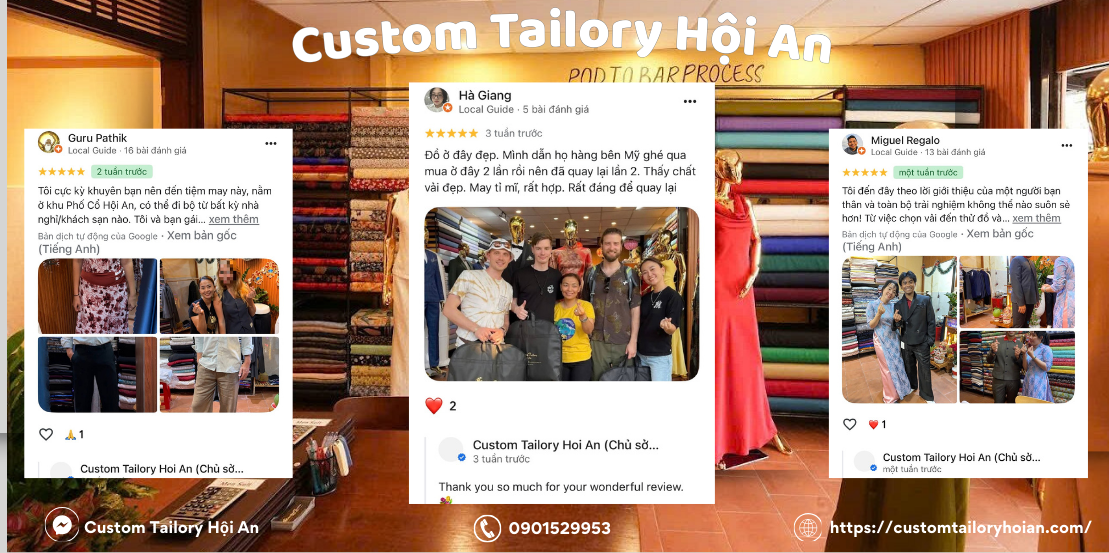
Proper preparation plays a crucial role in ensuring a smooth tailoring process and achieving satisfactory final results. Many common tailoring issues arise not from technical limitations, but from insufficient preparation, unrealistic time expectations, or unclear communication between the customer and the Hoi An suit tailor. When customers fail to prepare adequately, even skilled tailors may struggle to deliver the desired outcome within the expected timeframe.
Understanding how to prepare before placing an order helps minimize measurement errors, reduce unnecessary alterations, and improve overall suit quality. This includes allowing adequate production time, clearly defining the purpose of the suit, and being open about personal preferences regarding fit, comfort, and style. A professional Hoi An suit tailor relies heavily on accurate information from the customer to make informed decisions about fabric selection, construction techniques, and design details.
Proper preparation also enables more effective fitting sessions, as adjustments can focus on refinement rather than correction. By approaching the tailoring process with realistic expectations and clear communication, customers significantly increase the likelihood of receiving a well-balanced, comfortable, and long-lasting suit that meets both functional and aesthetic requirements.
8.1. Allow Adequate Time
Although many Hoi An suit tailor shops are known for their fast production timelines, customers should still allow sufficient time for fittings and adjustments. A well-fitted suit requires more than just initial measurements; it involves at least one fitting session to refine key areas such as shoulder alignment, waist suppression, jacket balance, and sleeve length.
Adequate time allows the Hoi An suit tailor to assess how the garment sits on the body during movement, not just when standing still. Small refinements made during fittings significantly improve comfort, appearance, and long-term wearability. For men’s suits intended for office or regular use, proper time allocation ensures durability and consistent shape retention.
Rushed orders, especially those with tight travel schedules, often result in unresolved fit issues. This is particularly risky for wedding suits or formal event suits, where even minor imperfections can affect both appearance and confidence. Allowing extra time enables the Hoi An suit tailor to deliver a garment that meets professional standards rather than a compromise driven by urgency.
8.2. Communicate Usage Clearly
Clear communication about the intended use of the suit is essential when working with a Hoi An suit tailor. Customers should explicitly state whether the suit is meant for daily office wear, business meetings, formal events, or weddings. Each purpose requires different decisions regarding structure, fabric weight, lining, and design details.
Hoi An suit tailors rely heavily on this information to recommend suitable fabrics, construction techniques, and styling elements. For example, a suit designed for daily work requires durable fabrics and practical construction, while a wedding suit prioritizes drape, visual impact, and photographic appearance.
Clear communication also helps the Hoi An suit tailor anticipate long-term usage needs, such as wrinkle resistance, breathability, and ease of maintenance. When expectations are well defined from the beginning, the number of alterations is reduced, and the final suit is more likely to meet both functional and aesthetic requirements.
By allowing adequate time and clearly communicating usage goals, customers can significantly improve their experience with a Hoi An suit tailor and ensure the finished suit delivers lasting value, comfort, and confidence.
Conclusion
A Hoi An suit tailor plays a key role in delivering men’s suits and wedding suits tailored to body shape and usage needs. From measurement and fabric selection to construction and fitting, each step affects final quality. Understanding these processes helps customers evaluate and choose a Hoi An suit tailor more effectively. For further consultation regarding men’s suits and wedding suits, contact Custom Tailory Hoi An for personalized support.
📍 Address: 117 Phan Chu Trinh, Hội An, Đà Nẵng – Google Map
📞 Hotline: 0901 529 953
🌐 Fanpage: Customtailory Hội An
🌐 Website: https://www.customtailoryhoian.com/