Tet 2026 starts on 17/02/2026, so you should plan enough time to book, try on, and adjust your suit before travel or parties. This article is for anyone looking for a Hoi An suit tailor, focusing on 3 easy-to-wear Tet options: a 2-button suit, a 6-button double-breasted suit, and a 3-piece suit. Beyond styles, it also explains how to choose fabric and color, the fitting process, and a checklist to review before pickup. In this article, Custom Tailory Hội An.
1. Why Many People Look For A Hoi An Suit Tailor For Tet 2026
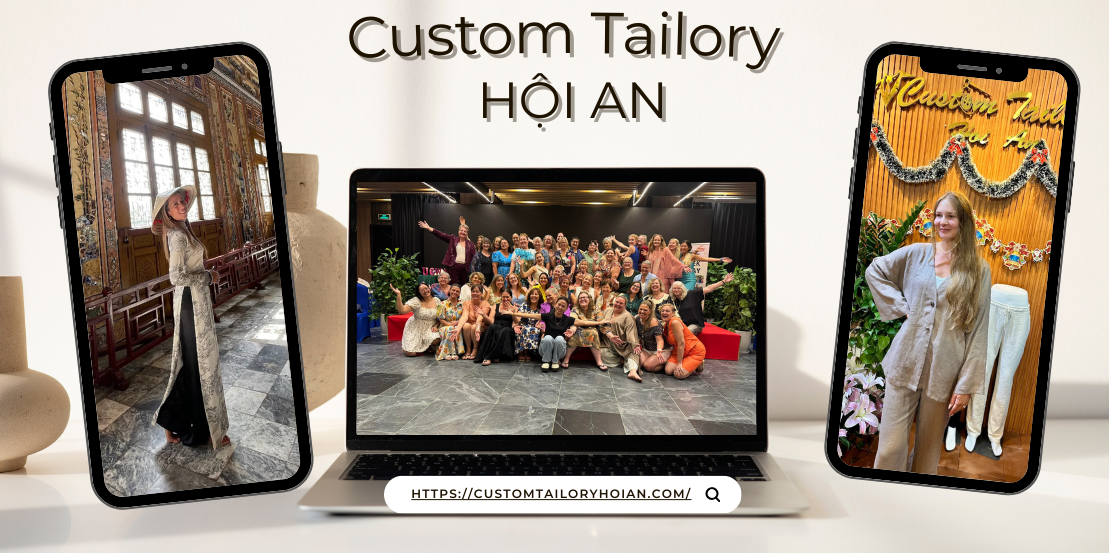
Tet often comes with many short-notice gatherings, so choosing a Hoi An suit tailor helps you get a suit that fits your body and feels comfortable for moving around. With made-to-measure, you control key areas like shoulders, chest, waist, jacket length, and trouser drape based on how you walk, sit, and pose in photos.
A Hoi An suit tailor usually gives more detailed advice based on where you will wear the suit, such as family visits, parties, business meetings, or outdoor photo sessions, so you avoid choosing a fit that is too tight or too loose.
The first day of Tet 2026 falls on 17/02/2026, so if you work with a Hoi An suit tailor, you should count backward to allow enough time for measuring, fitting, and alterations before pickup. Starting early helps the tailor handle the hardest parts like shoulder balance, chest shaping, sleeve setting, left-right sleeve symmetry, and lapel structure.
A Hoi An suit tailor also has more time to let you try the suit with the exact items you plan to wear during Tet, such as your shirt, shoes, and tie, so the sleeve length and trouser length can be adjusted more accurately.
To order the right suit for your needs, it helps to understand the basic workflow and prepare a few details in advance. When you know the steps, working with a Hoi An suit tailor becomes clearer, reduces repeated alterations, and helps you avoid picking up the suit too close to the holiday.
1.1. Basic Suit Tailoring Process And Realistic Timeline
The first step is to discuss your purpose: family visits, parties, or meeting partners, along with the date you need the suit ready. When working with a Hoi An suit tailor, explain whether you prefer a close fit or a more relaxed fit, whether you will wear it mainly in daytime or at night, and how much you will move around. Then the tailor advises on lapel style, number of buttons, vents, trouser cut, waist suppression, and jacket length based on your proportions.
Next comes measuring key points such as chest, waist, hips, shoulders, sleeve length, jacket length, thigh, knee, and trouser hem to draft the pattern. With a Hoi An suit tailor, you should ask whether they measure you in a natural relaxed stance or a “corrected posture” stance, because posture changes can affect shoulder balance and how the jacket hangs. After drafting, the tailor cuts and starts sewing, then schedules the first fitting to check the overall shape.
Production time depends on fabric, complexity, and workshop schedule. A basic suit can be completed quickly in some places, but if you want a cleaner fit or you are close to Tet, you may need extra time for fittings and adjustments. At the first fitting with a Hoi An suit tailor, prioritize checking shoulders, chest, and sleeves, because these are the hardest areas to fix once the suit is finished, and also check whether the chest pulls or forms wrinkles when the jacket is buttoned.
1.2. What To Prepare Before Visiting A Tailor
Bring the shoes you plan to wear with the suit, so the trouser length can be set correctly. When working with a Hoi An suit tailor, it also helps to bring, or clearly describe, the shirt style you usually wear, because collar height and shirt thickness affect how the jacket collar feels. If you often wear a tie or prefer an open collar, tell the tailor early so they can balance lapel width, collar opening, and button position to match your face shape and body.
You should also prepare 2 to 3 reference photos to align quickly on lapels, pocket style, vents, and trouser shape. In addition, decide whether you will wear the suit mainly in daytime or at night, whether you will move a lot, and whether you will sit for long meals. This information helps a Hoi An suit tailor recommend lower-wrinkle fabrics, appropriate fabric weight, lining options, and enough trouser room for comfortable sitting, which reduces the risk of multiple rounds of alterations.
👔 See more: Here!
2. 3 Suit Styles For Tet 2026 That Are Easy To Wear And Easy To Reuse
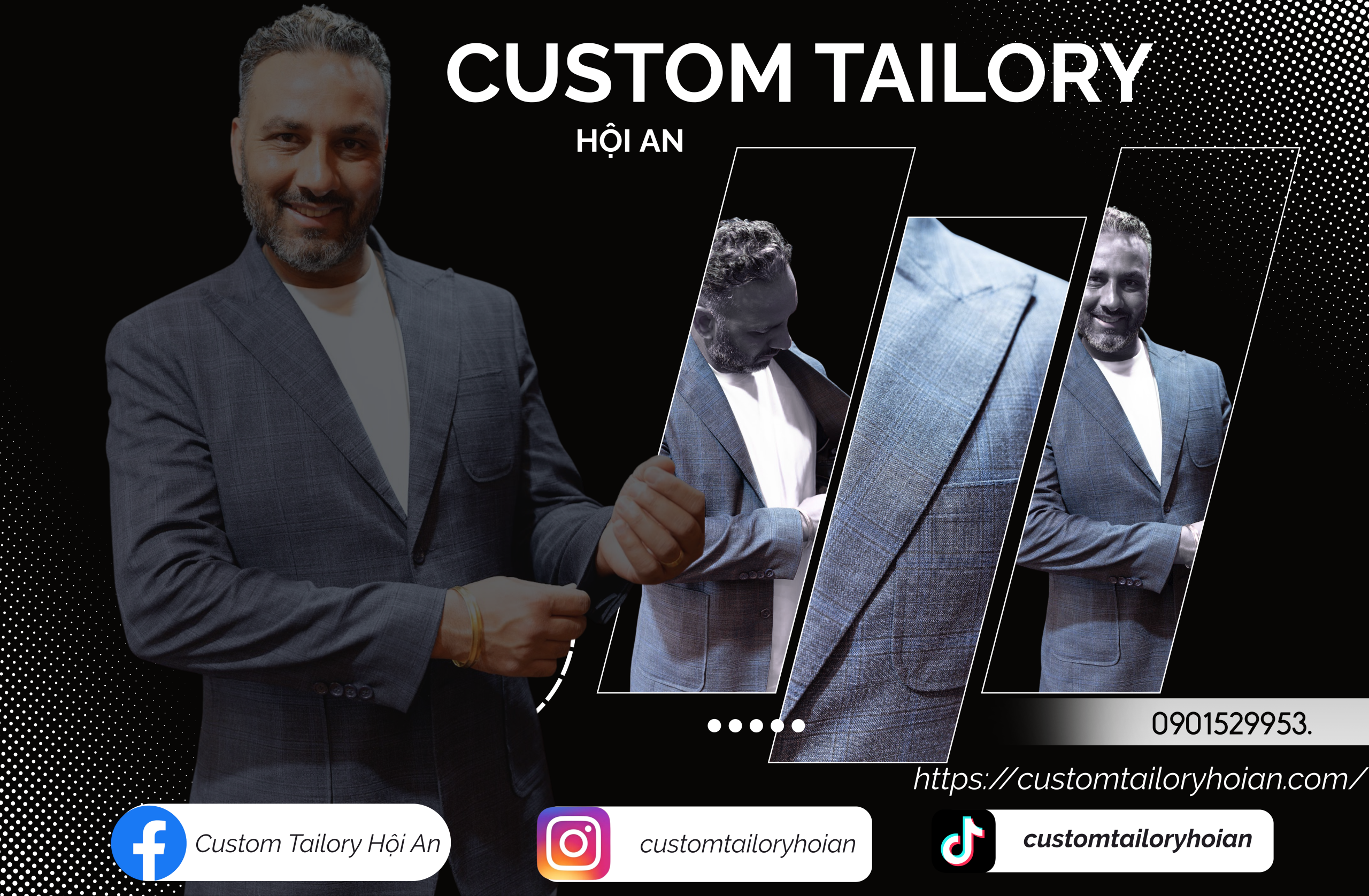
A Tet suit should meet 3 goals: comfort while walking, suitability for different settings, and easy pairing with shirts and shoes. When working with a Hoi An suit tailor, tell them your travel schedule and how many times you plan to wear the suit during Tet, so they can choose the right fit. A Hoi An suit tailor often asks whether you will wear it mainly in daytime or at night to balance fabric weight and how close the jacket should fit.
Instead of choosing unusual details, focus on a clean fit, lapel proportions that match your shoulders, and jacket length that matches your height so the overall shape looks stable. If you choose a Hoi An suit tailor, ask them to explain why they recommend notch lapels or peak lapels, because lapel proportions strongly affect whether your shoulders look broader or narrower. A Hoi An suit tailor can also adjust chest opening and waist suppression so the suit looks sharp without feeling tight.
The three styles below are popular because they are easy to wear and easy to adjust for different body types. You can choose one as your main Tet suit, or choose based on your schedule, such as family visits during the day and parties at night. When speaking with a Hoi An suit tailor, bring 1 to 2 reference photos so the tailor can follow your target shape and align details like pockets, vents, and jacket length.
Before deciding, consider your habits and body type to choose the right fit. Below are clear recommendations for each style, including fitting checks so you can communicate with a Hoi An suit tailor more effectively.
2.1. Button Suit In Regular Or Slim Fit
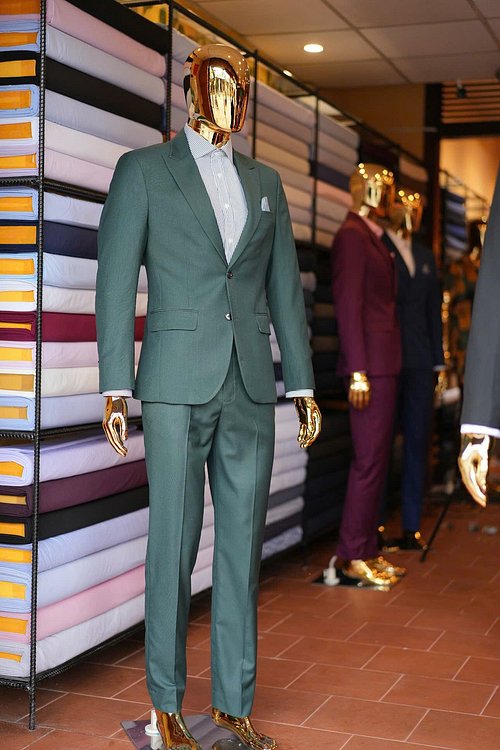
A 2-button suit is an easy starting point because it is balanced and suits most people. If you order from a Hoi An suit tailor, decide early whether you want regular or slim fit so the tailor can start with the right pattern and reduce later alterations. A Hoi An suit tailor often recommends a moderate fit for first-time wearers, because it works for many situations and reduces the risk of feeling tight during long meals.
Regular fit is good if you want comfort, easy arm movement, and comfort when sitting for long periods. Slim fit is good if you want a cleaner outline, but the shoulders must still fit correctly to avoid feeling restricted. When you meet a Hoi An suit tailor, explain whether you ride a motorbike, walk a lot, or sit for long periods, because these habits affect the armhole, bicep room, and thigh room in trousers. A Hoi An suit tailor can add small allowances in these areas while keeping the overall shape clean.
During the fitting, check that the shoulder seam sits on your natural shoulder bone, with no bumping and no drooping. When buttoned, the jacket should not form an X-shaped pull across the chest, and the jacket collar should not gap away from your shirt collar. With a Hoi An suit tailor, also test raising your arms and bending slightly to see whether the jacket rides up too much.
Trousers should have enough room for a long step, and the leg should fall straight to look neat. Avoid trousers that are too tight, because movement will create obvious wrinkles. Bring your Tet shoes to check the hem break and trouser length, because even a small difference can throw off the balance. If you want to reuse the suit after Tet, choose a moderate fit so it pairs easily with different shirts and shoes.
2.2. Button Double-Breasted Suit
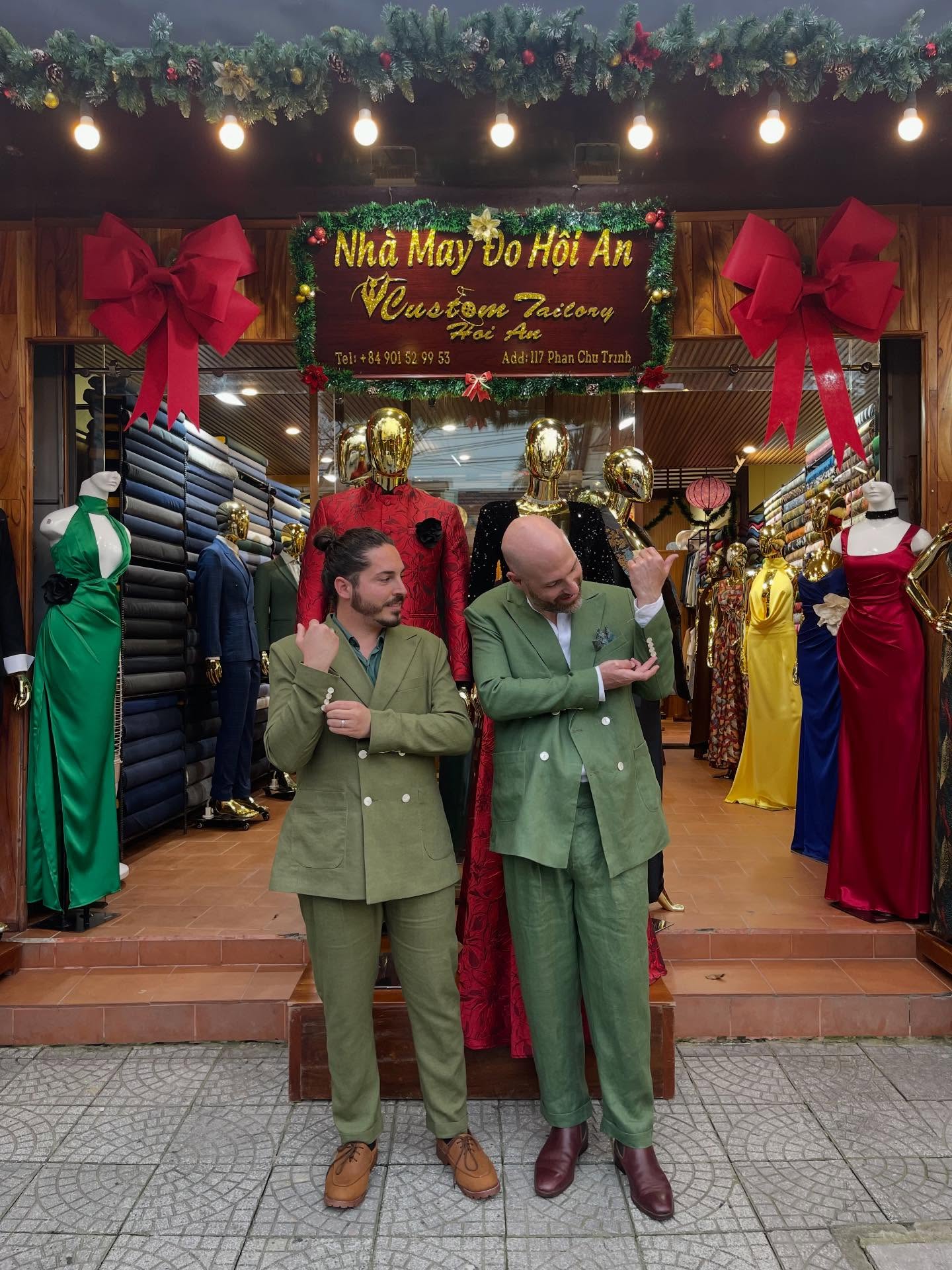
A double-breasted suit suits formal settings because it looks structured and makes the upper body look stronger. When making a double-breasted suit with a Hoi An suit tailor, ask clearly about the main button stance and the lapel opening to avoid a heavy look. A Hoi An suit tailor usually balances lapel size based on your height and shoulder width so the lapels are not too large and the chest looks proportionate in photos.
The 6-button version is common because it has stable proportions and works across many occasions. If you have narrow shoulders, this style can help your silhouette look more balanced, especially when standing straight. When discussing with a Hoi An suit tailor, you can request two fit options to compare: a cleaner fit for formal wear, or a slightly relaxed fit for all-day comfort.
The key points are lapel width and button placement. Lapels that are too wide can make the upper body look heavy, while buttons placed too high can feel uncomfortable when sitting. If you order from a Hoi An suit tailor, sit down and lean slightly forward to check whether the stomach area feels tight or creates deep folds. A Hoi An suit tailor can adjust waist shaping and vent allowance to make sitting easier.
Choose moderate waist shaping so the jacket does not strain at the stomach, and check that jacket length covers the hip area appropriately. Also check sleeve length and armhole comfort, because double-breasted jackets often fit closer in the upper body than a 2-button suit. If the armhole is too tight, lifting your arms will feel hard, and if it is too loose, the jacket can look puffy when standing.
👔 See more: Here!
2.3. Piece Suit With Jacket, Trousers, And Waistcoat
A 3-piece suit is ideal if you want flexibility across Tet activities. When ordering a 3-piece suit with a Hoi An suit tailor, tell them whether you plan to remove the jacket during the day, because the waistcoat becomes the main layer that keeps your look neat. A Hoi An suit tailor usually adjusts the waistcoat so it sits close at the waist but still feels comfortable for meals and long sitting.
When it is warm or you move a lot, you can take off the jacket and still look tidy with the waistcoat. For photos, the waistcoat helps your torso look straighter and more polished without needing many accessories. If you order from a Hoi An suit tailor, try the waistcoat with your actual shirt to check the neckline opening and chest fit, because a wrong waistcoat fit can cause belly puffing or chest pulling.
When tailoring the waistcoat, make sure the waist fits correctly, the front does not balloon at the stomach, and the neckline is not too deep. Trousers should match the waistcoat so the full look stays consistent, especially around the waistband and hip area. If you want to reuse it after Tet, choose a waistcoat in the same fabric tone as the jacket, and keep the fit moderate so it still works with small weight changes.
3. Choosing Suit Fabric And Color For Hoi An Weather During Tet
Early-year weather in Hoi An can feel cool and humid, so the fabric should breathe but still hold structure. When working with a Hoi An suit tailor, explain whether you will walk outdoors often or stay indoors with air conditioning, because this affects fabric weight and lining choice. A Hoi An suit tailor can also recommend lower-wrinkle fabrics if you travel a lot and need to wear the suit on multiple days.
For color, if you only make one suit, choose an easy-to-match color so you can reuse it after Tet. If you already own a dark office suit, consider a lighter tone for outdoor photos and a lighter overall look. When choosing color, think about the shoes and shirts you already have so you can match quickly, and consider solid or subtle patterns for better long-term use.
To choose faster, base your decision on how you will wear the suit and how much you will travel. Below are practical suggestions for common situations.
3.1. Fabric Suggestions Based On Your Tet Plans
If you want structure and fewer wrinkles, consider wool blends or tropical wool, which tend to hold shape well and recover from creasing. If you prefer a lighter and cooler feel, cotton blends or linen blends can work, but you should avoid an overly tight fit to reduce visible creases when sitting or packing.
If your Tet schedule includes constant movement, ask the tailor about fabrics with mild stretch so the thighs and waist do not feel tight. If you pack the suit in a suitcase, prioritize fabrics that recover from wrinkles after hanging, so you spend less time fixing creases before wearing.
3.2. Colors And Patterns That Pair Well For Tet Photos
Navy and charcoal gray pair easily with white or light blue shirts and most shoe colors, making them good choices if you want long-term reuse. Light beige or light gray can look good for outdoor photos, but you should keep accessories simple and choose neutral shirts so the outfit stays clean.
For patterns, choose fine stripes or subtle checks to keep the look clean and photo-friendly. Avoid large patterns if you are shorter or have narrow shoulders, because they can visually break the body into blocks. If you want the safest option, go with solid fabric or very fine patterning.
4. Checklist For Fitting Before Picking Up Your Tet Suit
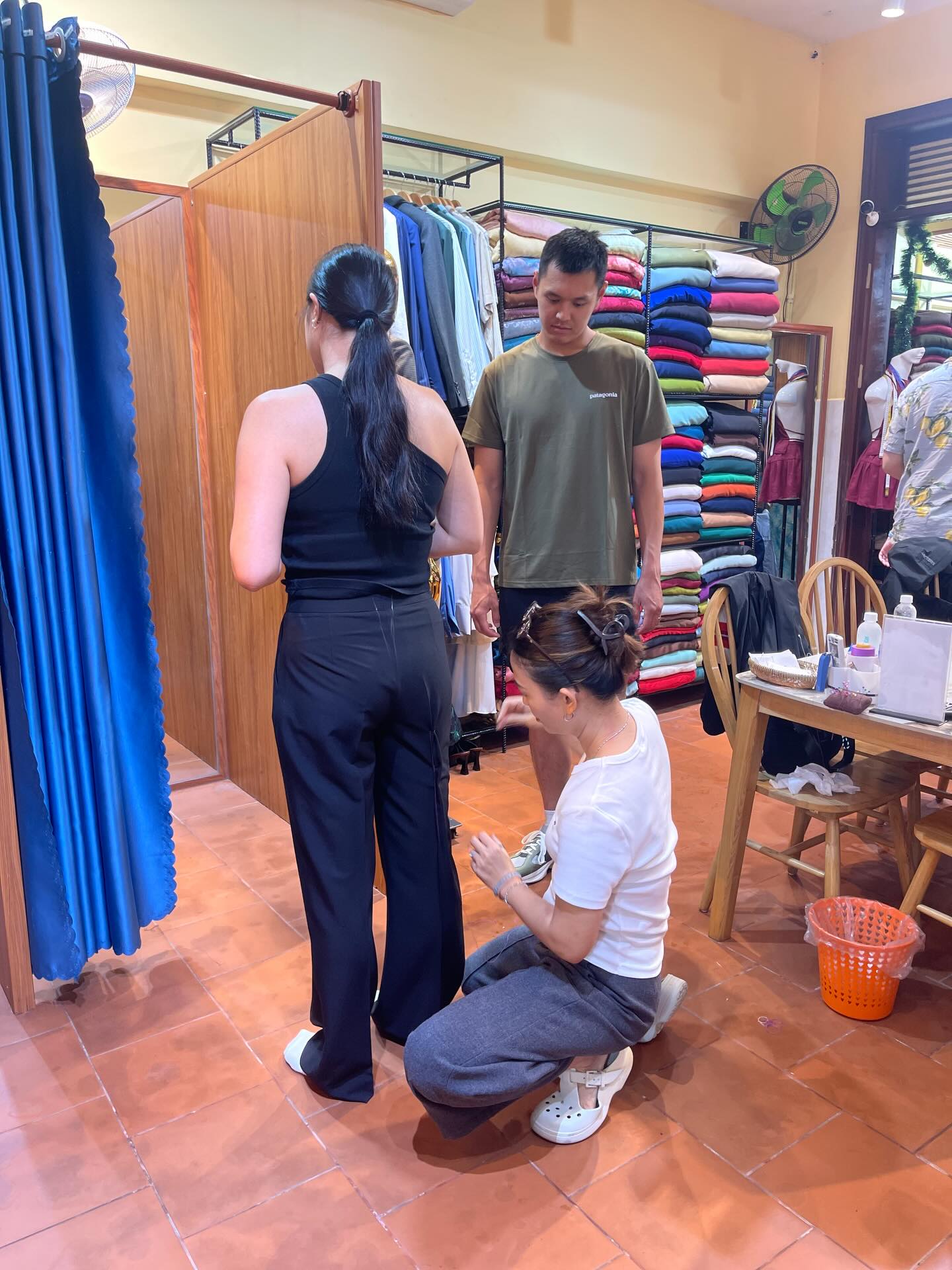
Fitting decides whether the suit truly fits, because many issues appear only when you move. If you only stand still in front of a mirror, you may miss problems like shoulder tightness, sleeves pulling up, or trousers tightening when you sit. That is why you should test a few basic movements before you approve the final version.
At the final fitting, try the suit with the shirt and shoes you plan to wear during Tet. This helps the tailor set sleeve length, collar opening, and trouser drape more accurately. If something needs fixing, it is better to adjust right away to avoid last-minute pressure close to the holiday.
To check quickly without missing steps, use the checklist below. Each point includes a clear way to test.
4.1. Key Points To Check At The Final Fitting
The shoulders should sit on your natural shoulder line, with no horizontal wrinkles and no bump at the shoulder edge. When buttoned, the chest should not pull into an X shape, and the jacket collar should not gap too far from the shirt collar. Sleeves should feel comfortable when you bend your arms, and sleeve length should show a small amount of shirt cuff.
For trousers, test standing straight, taking a long step, and sitting down. The waistband should not slide down when sitting, the thighs should not feel tight, and the seat should not create heavy creasing. With shoes on, check that the trouser length is not so long that it drags on the shoe, and not so short that it shows too much sock.
4.2. How To Store And Transport A Suit While Traveling
If you travel a lot, hang the suit in a garment bag to preserve shoulder shape and reduce wrinkles. If you must fold it, fold the jacket along natural lines: turn one shoulder inside so the inner linings face each other, fold the jacket lengthwise, then place the trousers folded flat on top. After arrival, hang the suit immediately to let the fabric relax.
Avoid packing the suit too tightly in a suitcase, because it creates deep wrinkles that are hard to remove. If there are light wrinkles, hang the suit in a bathroom with warm steam, then let it dry naturally. With wrinkle-prone fabrics like linen, choose a moderately relaxed fit and focus on correct shoulder fit, because good shoulders keep the overall look neat.
👔 See more: Here!
Conclusion
To choose a Hoi An suit tailor for Tet 2026, set your wearing purpose, pick the right style, and book early to allow time for fittings. A 2-button suit is easy to wear and reuse, a double-breasted suit suits formal moments, and a 3-piece suit is flexible for travel and photos. During fittings, check shoulders, chest, sleeves, and trouser length by standing, sitting, and taking long steps. If you still have questions or need advice, contact Custom Tailory Hội An for support.
📍 Address: 117 Phan Chu Trinh, Hội An, Đà Nẵng – Google Map
📞 Hotline: 0901 529 953
🌐 Fanpage: Customtailory Hội An
🌐 Website: https://www.customtailoryhoian.com/