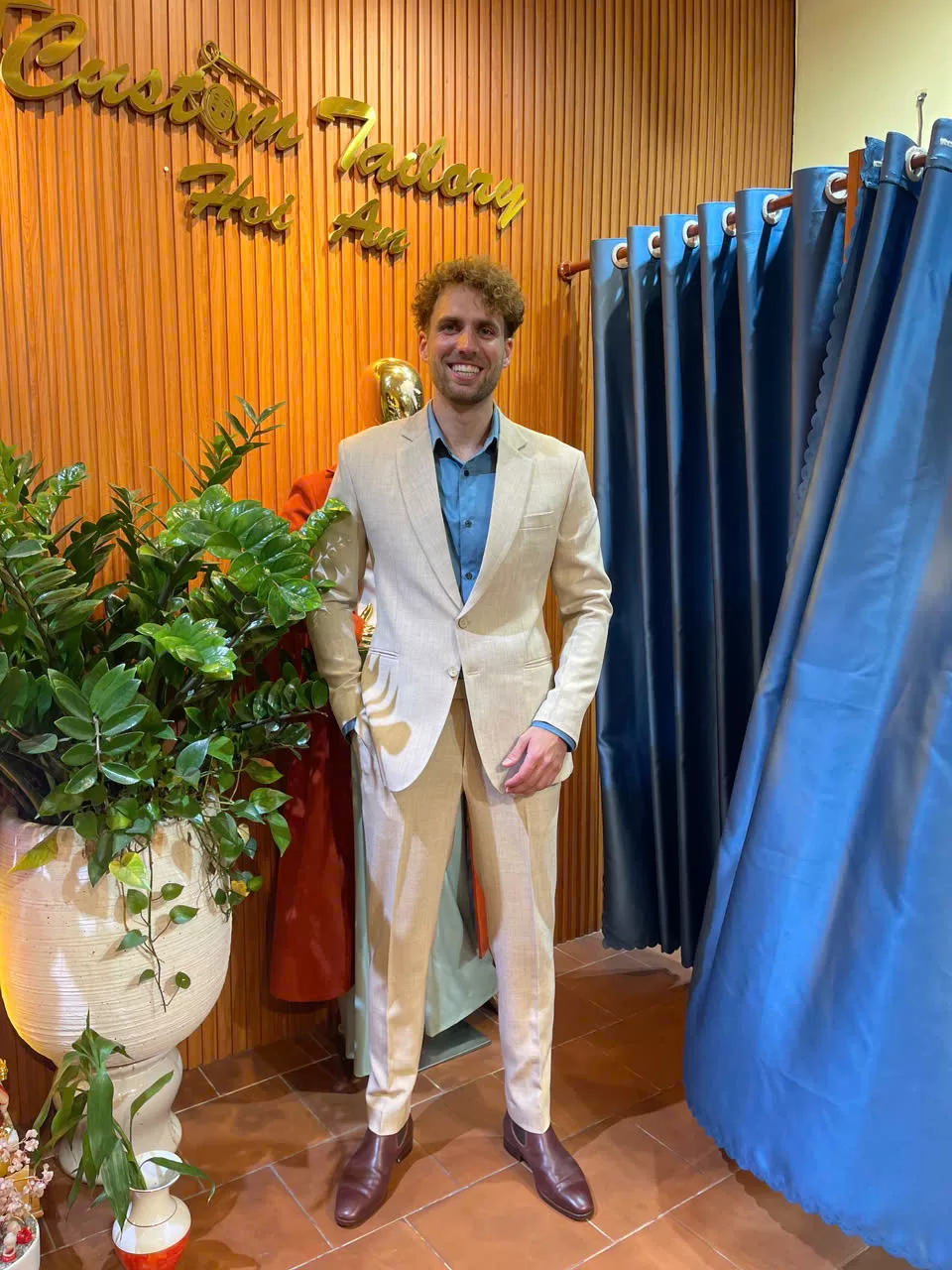
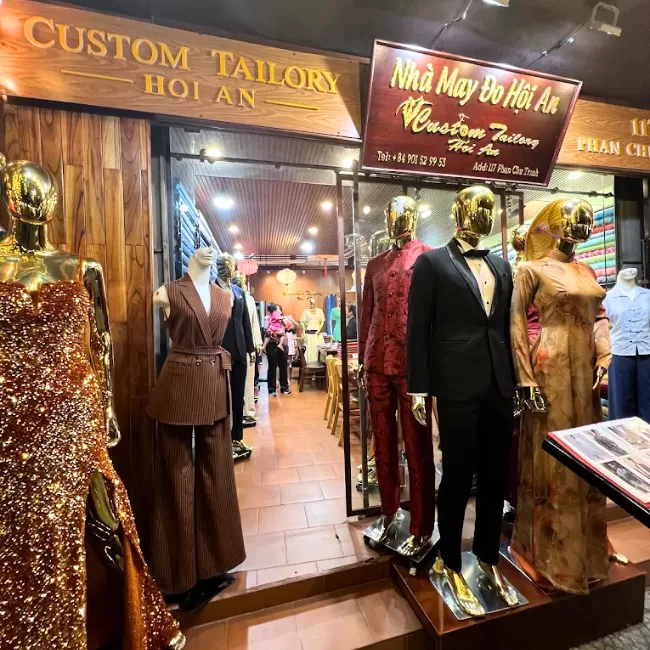
Searching for tailor Hoi An options can leave you with plenty of choices—and a few important questions. Which shop understands the style you want? How can you judge the quality of a garment? And will your travel schedule leave enough time for fittings?
Choosing a tailor starts with finding someone who can translate your ideas into clothing that suits your body and everyday life. The fabric matters, but so do the consultation, the agreed specifications and the opportunity to review the fit.
This guide explains what to look for when comparing tailoring shops, which questions to ask before ordering and what Custom Tailory Hoi An offers visitors seeking personalised clothing.
How to Choose a Tailor in Hoi An
A useful consultation should help you understand your options and feel comfortable asking questions. Before committing, look beyond the display window and explore how the shop approaches your particular request.
Look for Experience with Your Type of Garment
Start by explaining what you want made. A business suit, a flowing evening dress and a casual shirt each involve different design and fitting considerations.

Ask to see examples similar to your intended order. When possible, examine finished garments in person rather than relying entirely on photographs. Look at the shape, seams, lining and closures, and ask how comparable details would be handled in your piece.
If you have a reference image, point out exactly what you like. The neckline, shoulder shape or trouser cut may matter more to you than the overall outfit.
Pay Attention to the Questions You Are Asked
Your tailor needs more than measurements to understand your requirements. The conversation should cover where you will wear the garment, your preferred fit, your budget and your departure date.
For example, a jacket intended for frequent travel may need different considerations from one reserved for formal dinners. A dress for dancing should allow comfortable movement as well as looking good while standing.
Notice whether your preferences are discussed clearly and whether any practical limitations are explained before you order.
Ask How Fittings and Adjustments Work
Measurements establish a starting point. Fittings give you the opportunity to assess how the garment actually sits and moves on your body.
Ask when you should return, how adjustments are arranged and what happens if something still needs attention at collection. Agree on a schedule that allows you to participate in the process.
A clear explanation of these arrangements is more useful than a general promise of a perfect fit.
Tailor Hoi An: Discover Custom Tailory Hoi An
Located at 117 Phan Chu Trinh, Hoi An, Custom Tailory Hoi An offers personalised tailoring for men and women. The boutique brings together Vietnamese tailoring traditions and contemporary design preferences, with an emphasis on individual style and attentive consultation.

Customers can discuss the occasion, explore fabric options and refine details such as silhouette, length and finishing. The aim is to develop clothing around the wearer’s preferences and intended use.
Custom Tailory Hoi An also emphasises a welcoming atmosphere where customers can ask questions without pressure. Whether you arrive with a specific design or need help narrowing down your ideas, the consultation provides a starting point.
Learn more about the boutique’s approach to personalised tailoring before planning your visit.
What Can You Have Tailored at Custom Tailory Hoi An?
The shop’s tailoring services for men and women include suits, shirts, trousers, dresses, evening dresses, jumpsuits, áo dài and outerwear.
Choose your first piece around a genuine wardrobe need. Knowing when you will wear it helps you make more focused decisions about fabric and design.
Suits for Work, Weddings and Events
For a suit, consider the level of formality, the climate where you will wear it and whether you want to use the jacket separately.
Discuss the silhouette before choosing smaller details. The shoulder shape, jacket length and trouser proportions establish the overall look; lapels, buttons and pockets should complement those choices.
Explore the available custom men’s suits in Hoi An for more information about the shop’s suit service.
Shirts and Trousers for Regular Use
Shirts and trousers can be practical additions to an existing wardrobe. Bring examples of what you usually wear or explain recurring fit problems.
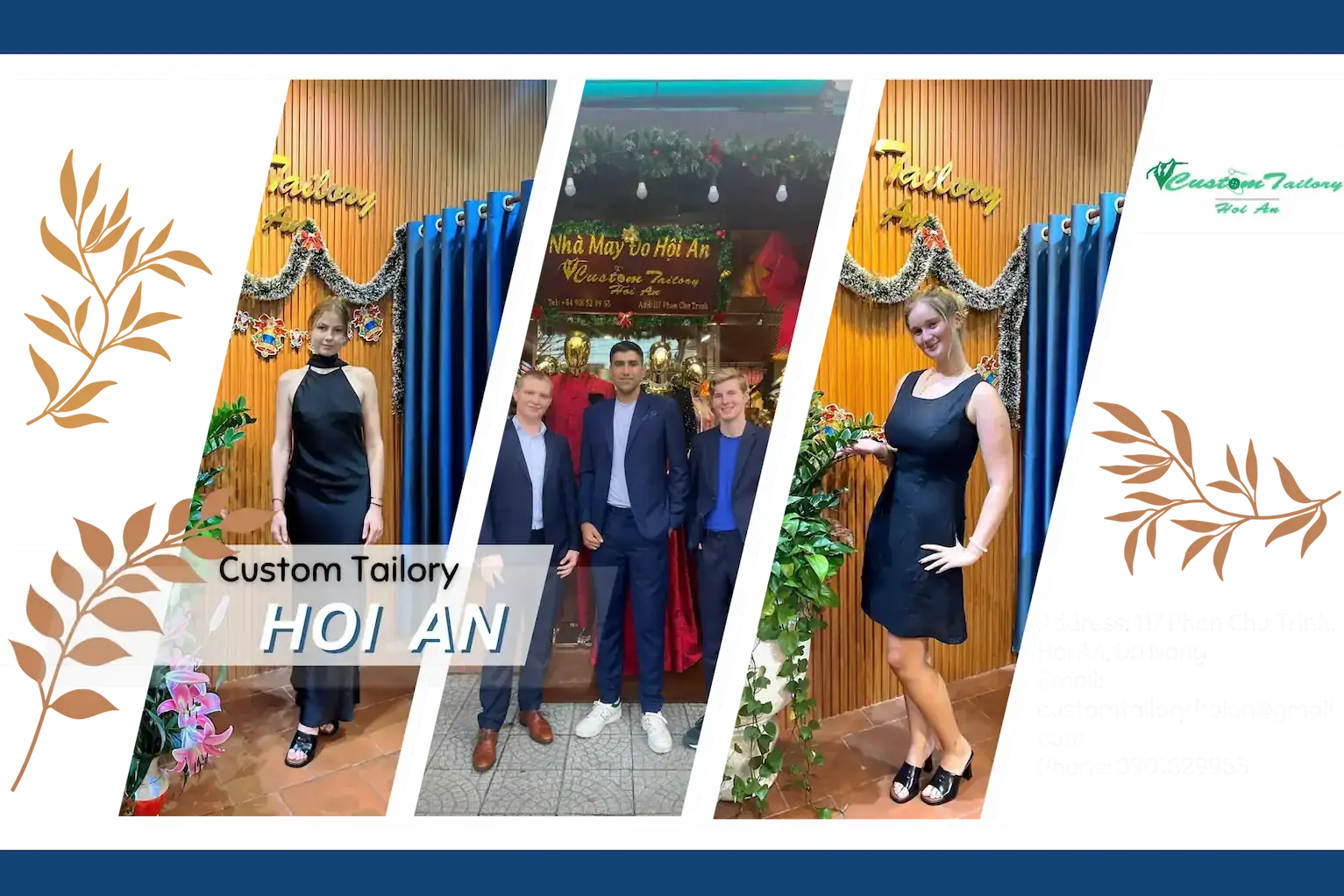
For a shirt, you might want more room through the upper arms or a collar that feels comfortable when buttoned. For trousers, discuss where you prefer the waistband to sit and how much space you need through the seat and thighs.
Consider your usual shoes and whether you normally tuck in your shirts. These everyday habits help guide useful design decisions.
Dresses and Occasion Wear
When ordering a dress, explain the event and how you expect to move during it. Sitting through dinner, walking outdoors and dancing can all influence your preferences for length, coverage and fit.
Use reference photographs to communicate particular details, then ask how they would work with your chosen fabric. A design may need adapting to achieve the effect you want.
How to Compare Fabric and Workmanship
Two garments can look similar in a photograph while differing considerably in material and construction. Ask specific questions so you understand what each quote includes.
Understand the Fabric You Are Choosing
Ask about fabric composition, feel and care requirements. Open out the material to observe how it falls rather than judging it only as a folded sample.
Explain whether you want a soft, flowing effect or a more defined shape. For lighter fabrics, discuss opacity and lining. If you expect to wear the garment in a different climate after your holiday, mention that too.
Avoid choosing a material solely because its colour matches a reference photo. The fabric also needs to support the design.
Examine Relevant Finishing Details
Look at a sample garment inside and out. Check whether seams appear tidy, closures operate smoothly and the lining sits comfortably within the garment.
Ask about the details that matter for your order. These might include pocket placement, buttonholes, a concealed zip or the finish at the hem.
A brief inspection will not tell you everything about long-term durability, but it can give you useful questions to discuss before committing.
Compare Equivalent Specifications
When comparing prices, make sure you are comparing similar garments. A quote with a different fabric, lining or construction method may not represent the same product.
Ask each shop to describe the agreed specification clearly. This makes it easier to assess value based on what you will actually receive.
Questions to Ask Before Confirming Your Order
Before paying a deposit, work through the details that could otherwise cause confusion.
| What to ask | Why it matters |
|---|---|
| What is the total price? | Establishes the cost of the agreed order. |
| Which fabric and design details are included? | Gives both sides a clear specification. |
| What fittings and adjustments are included? | Clarifies how the fit will be reviewed. |
| When should I return, and when can I collect? | Helps you coordinate appointments with your itinerary. |
| What happens if I request a design change? | Clarifies possible changes to price or timing. |
| What support is available after collection? | Helps you understand the applicable after-sales terms. |
Keep a written record of the main decisions, especially if you are ordering several items. Include the fabric choice, design, quoted price and appointment dates.
For a more detailed explanation of the ordering process, read the guide to made-to-measure clothing in Hoi An.
Planning a Tailoring Visit Around Your Holiday
Visit early in your stay or contact the shop before arriving. Share your departure date and explain what you would like made.
Completion time depends on the garment, design complexity, fabric availability and the shop’s workload. Ask for a schedule that includes fittings and room for necessary adjustments.
If your visit is short, discuss what can realistically be completed. A smaller order may be easier to review carefully than several pieces requiring different fittings.
Try to avoid collecting immediately before leaving for the airport or your next destination. Time to try on the finished garments is an important part of the experience.
What to Check Before Taking Your Clothing Home
At the final fitting, assess the clothing as you would wear it in everyday life. Bring the intended shoes and relevant undergarments where possible.
Check Comfort While Moving
Walk, sit and gently reach forward. Notice whether the garment pulls, slips or restricts normal movement.
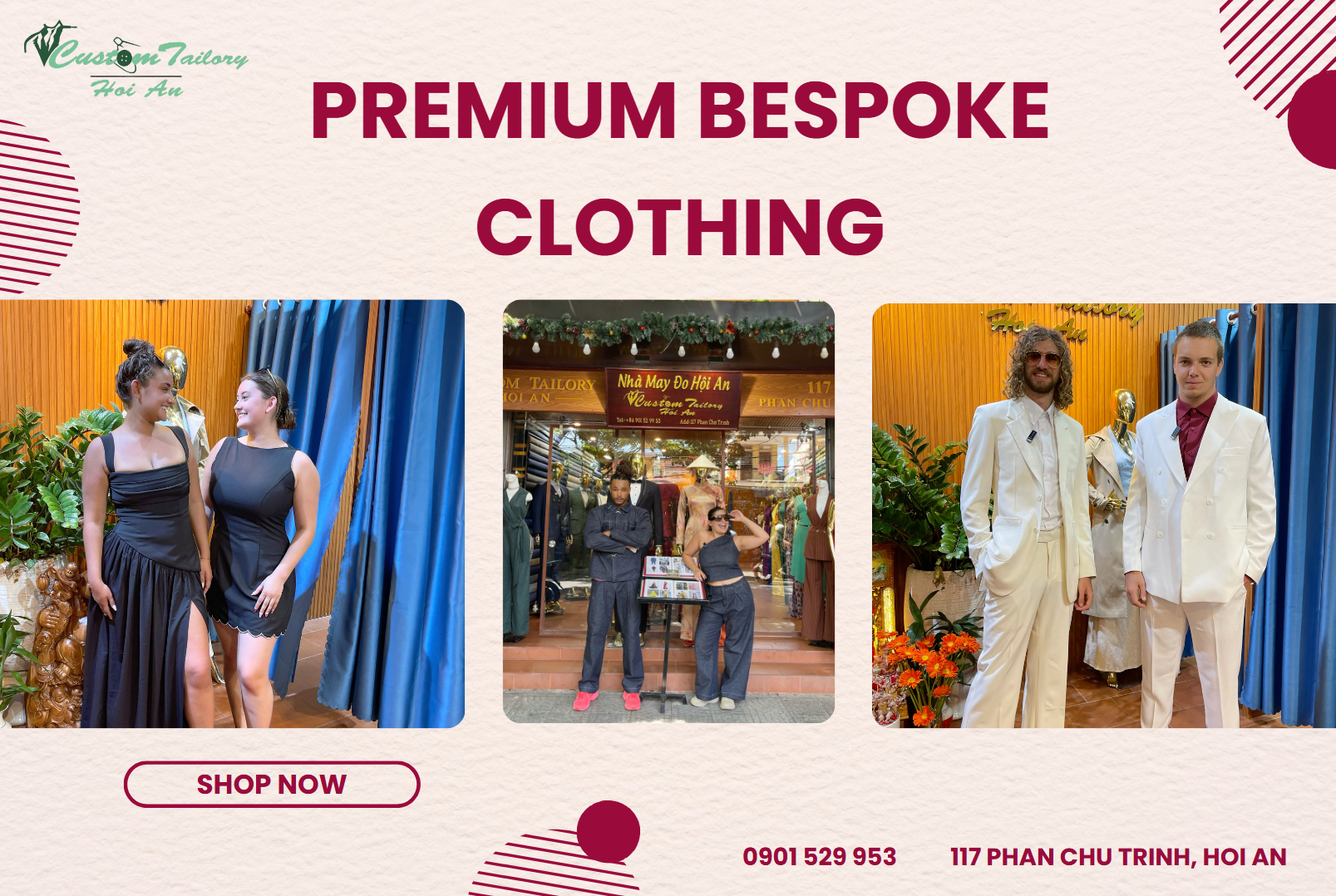
Explain any issue precisely. Saying that the waistband feels tight when seated gives your tailor more useful information than a general comment that the fit seems wrong.
Review the Agreed Design
Check the length, neckline or collar, sleeves, pockets and closures against the original agreement. If you ordered a coordinated outfit, try the pieces together.
Look at the garment from the front, side and back. Raise any remaining concerns while you are still in the shop.
Confirm How to Care for It
Ask about cleaning, pressing and storage. If you will continue travelling, discuss how to pack the garment.
Understanding these requirements helps you care for the piece appropriately once you return home.
Visit Custom Tailory Hoi An
When comparing tailor Hoi An options, look for a consultation that makes the decisions clearer: suitable fabrics, an agreed design, transparent pricing and a realistic fitting schedule.

Bring your ideas to Custom Tailory Hoi An and discuss clothing suited to your occasion, preferences and travel plans. Whether you are considering a suit, a dress or everyday separates, start with the piece you most want to wear and build the details from there.
📍 Address: 117 Phan Chu Trinh Hội An, Da Nang
📞 Holine: 0901 529 953
🌐 Fanpage: Customtailory Hội An
🌐 Website: https://www.customtailoryhoian.com/
Book a free consultation to discuss your ideas and available options.