When mentioning Hoi An Suit Tailor, many international travelers do not only think about a well-fitted suit at a reasonable price, but also associate it with a highly personalized tailoring experience, refined craftsmanship, and an exceptionally fast turnaround time rarely found anywhere else in the world. Hoi An is not just a UNESCO heritage destination; it is also the bespoke tailoring capital of Vietnam, where every suit is crafted based on a deep understanding of the wearer’s body rather than standardized size charts.
So what truly creates a perfectly fitted suit when it is made by a Hoi An Suit Tailor? This article provides a comprehensive analysis, from tailoring expertise and measurement processes to form construction techniques and even the smallest details that directly impact comfort and durability.
1. What Is a Hoi An Suit Tailor and Why Is It Highly Regarded?
1.1 The Concept of Hoi An Suit Tailor in Modern Tailoring
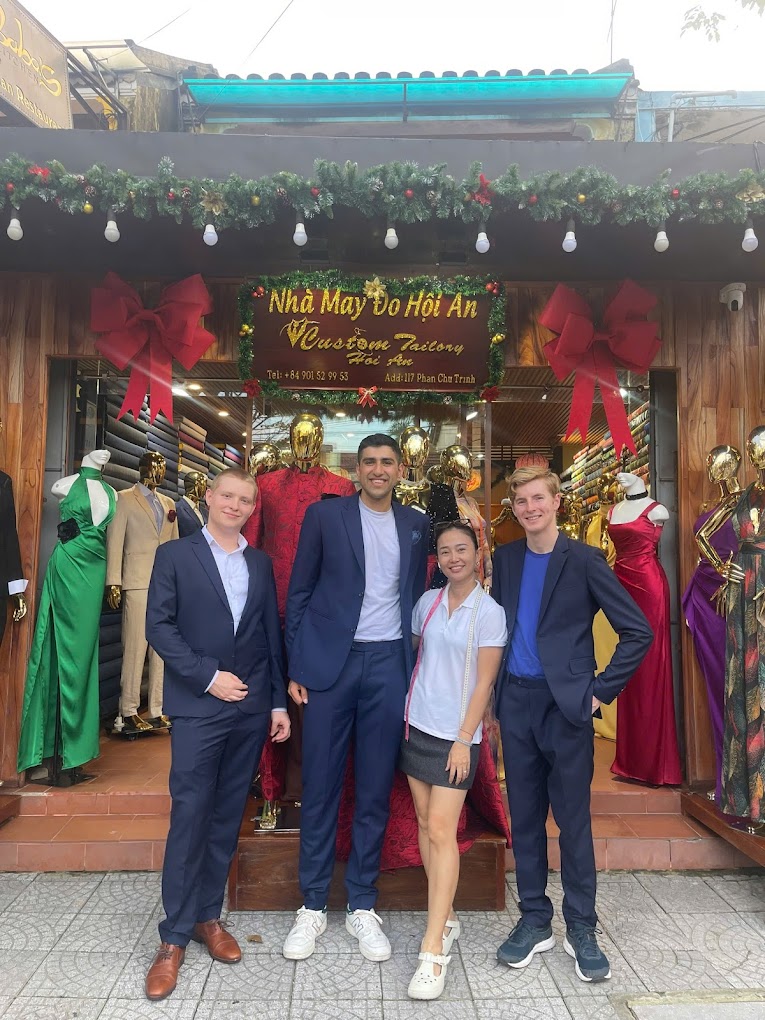
A Hoi An Suit Tailor is not simply a suit shop located in Hoi An. The term is widely used by international travelers to describe tailors who can seamlessly combine:
-
Traditional handcrafted tailoring techniques
-
Modern silhouette and form-thinking
-
A highly personalized customer experience
A true Hoi An Suit Tailor does not chase volume. Instead, the focus is on creating suits that fit naturally, are comfortable to wear, and genuinely reflect the wearer’s personality and lifestyle.
1.2 Why Has Hoi An Become a Renowned Suit Tailoring Hub?
Hoi An brings together several unique advantages:
-
A long history of international trade dating back to the 16th century
-
Generations of skilled tailors passing down their craft
-
A strong tourism industry driving high demand for custom tailoring
-
Healthy competition that continuously pushes service quality
These factors have turned Hoi An Suit Tailor into a highly searched keyword on Google whenever travelers look to have a suit tailored in Vietnam.
2. What Is a Perfectly Fitted Suit from a Hoi An Suit Tailor’s Perspective?
2.1 A Perfect Fit Is More Than Just Accurate Measurements
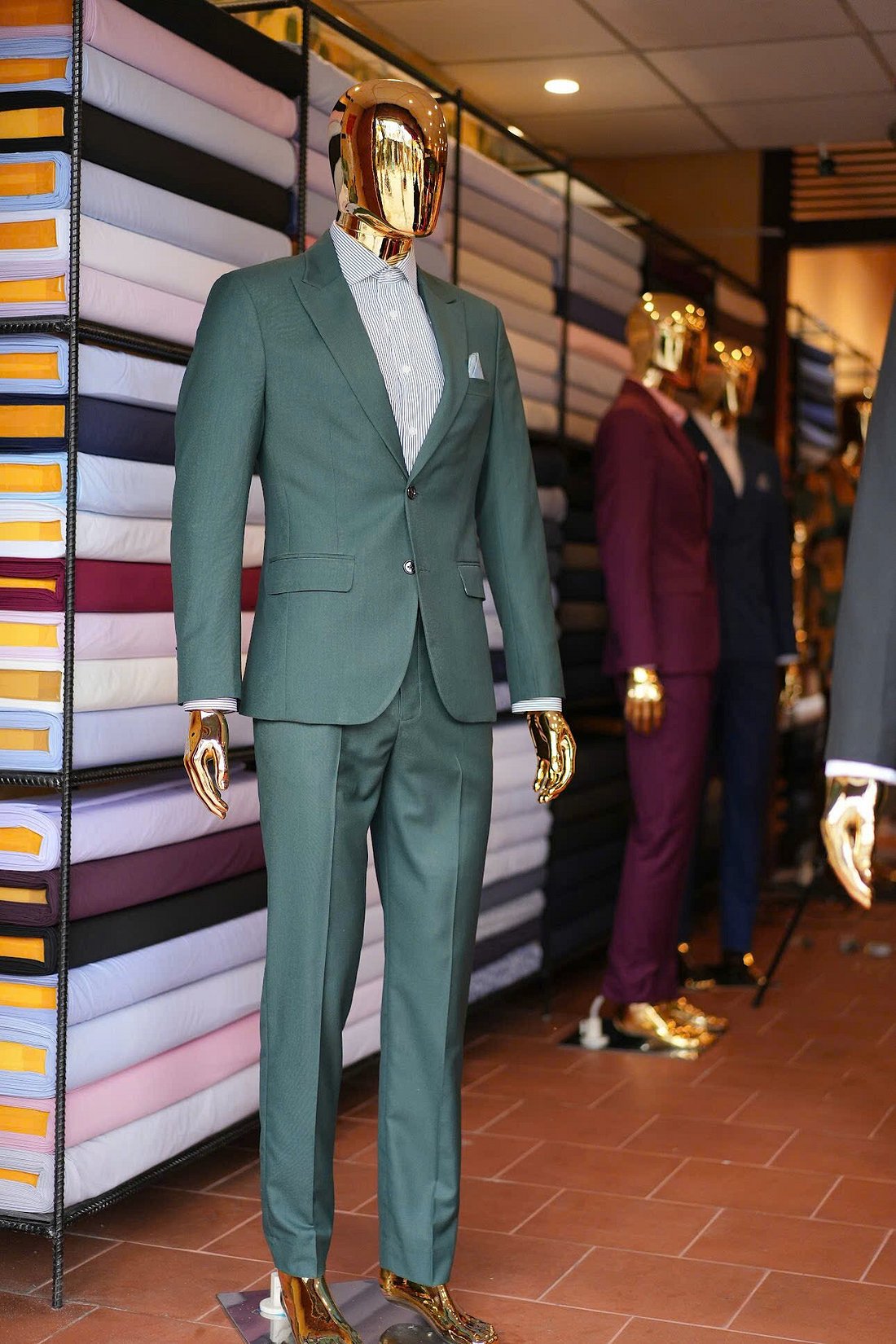
According to professional Hoi An Suit Tailors, a perfectly fitted suit goes far beyond simply matching body measurements. It must also:
-
Feel comfortable during movement
-
Maintain its structure throughout long wear
-
Suit the wearer’s body type and daily habits
A suit may fit the shoulders perfectly but still be considered poorly fitted if it feels restrictive when sitting or looks unbalanced in motion.
2.2 Fit Is a Combination of Technique and Sensitivity
Unlike industrial tailoring, Hoi An Suit Tailors rely heavily on real-world observation and experience. The tailor does not merely measure; they also:
-
Observe posture and walking style
-
Assess shoulder slope and balance
-
Identify whether the back is straight or curved
These factors determine how the suit form is constructed, allowing it to drape naturally rather than feel rigid or mechanical.
3. The Role of the Tailor in Creating a Perfectly Fitted Suit
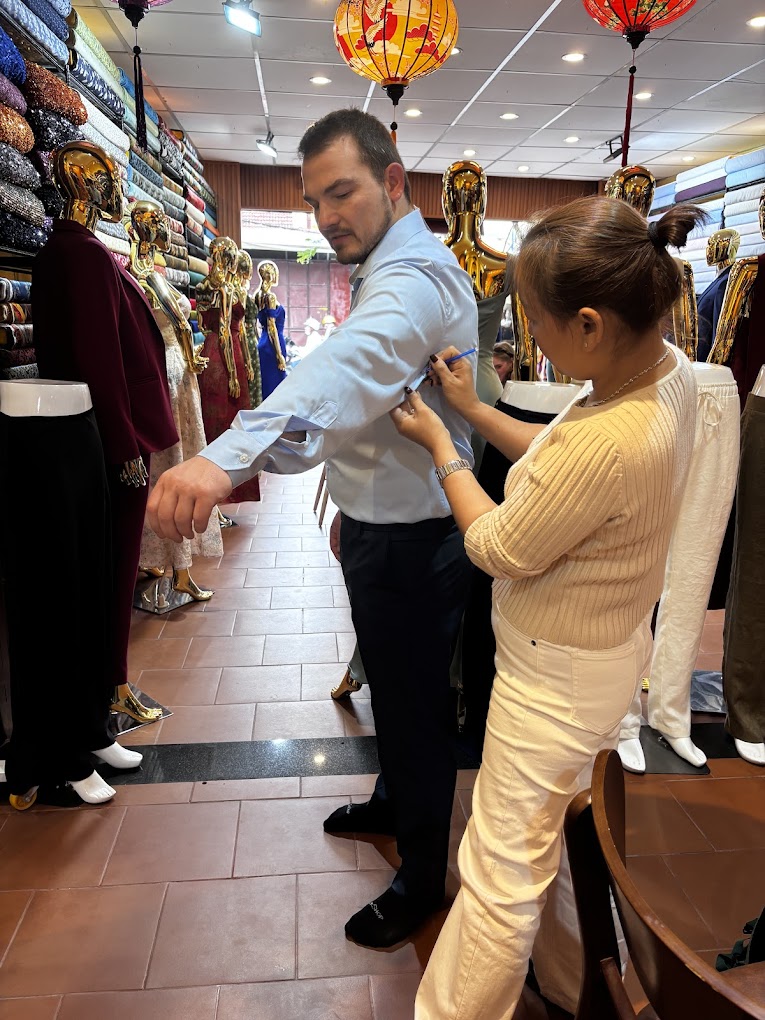
3.1 Tailoring Skill – The Core Element
A reputable Hoi An Suit Tailor always relies on experienced master tailors who:
-
Understand suit structure deeply
-
Can handle a wide range of body types
-
Balance aesthetics with long-term comfort
This level of craftsmanship cannot be replicated by machines or mass-production systems.
3.2 The Difference Between Pattern Makers and Sewing Tailors
In a professional Hoi An Suit Tailor system, pattern makers and sewing tailors are often separate roles. The pattern maker transforms measurements into a structural blueprint, while the sewing tailor executes and refines every detail. Their seamless collaboration significantly improves accuracy and overall fit.
4. The Tailoring Process That Determines Fit Accuracy
4.1 Initial Consultation – Laying the Foundation for the Fit

A Hoi An Suit Tailor does not begin with a measuring tape, but with questions. The tailor seeks to understand:
-
The purpose of the suit
-
Personal style preferences
-
Work environment
-
Frequency of use
Proper consultation ensures the suit’s form is aligned from the very beginning, minimizing adjustments later.
4.2 Detailed and Flexible Body Measurements
A perfectly fitted suit requires precise measurements, but more importantly, how those measurements are applied. Hoi An Suit Tailors use measurements as reference data, combining them with practical experience to fine-tune the form.
5. How Hoi An Suit Tailors Handle Different Body Types
5.1 Slim Body Type
For slimmer clients, Hoi An Suit Tailors focus on:
-
Creating sufficient shoulder structure
-
Avoiding overly tight silhouettes
-
Enhancing overall body balance
5.2 Fuller Body Type
For fuller figures, tailors will:
-
Reduce excessive waist suppression
-
Adjust jacket length
-
Avoid details that create bulk
The goal is a clean, comfortable, and flattering appearance.
5.3 Tall or Short Body Types
Hoi An Suit Tailors carefully adjust torso, sleeve, and trouser proportions to create a more balanced visual effect—something ready-made suits rarely achieve.
6. Fabrics and Their Impact on Suit Structure
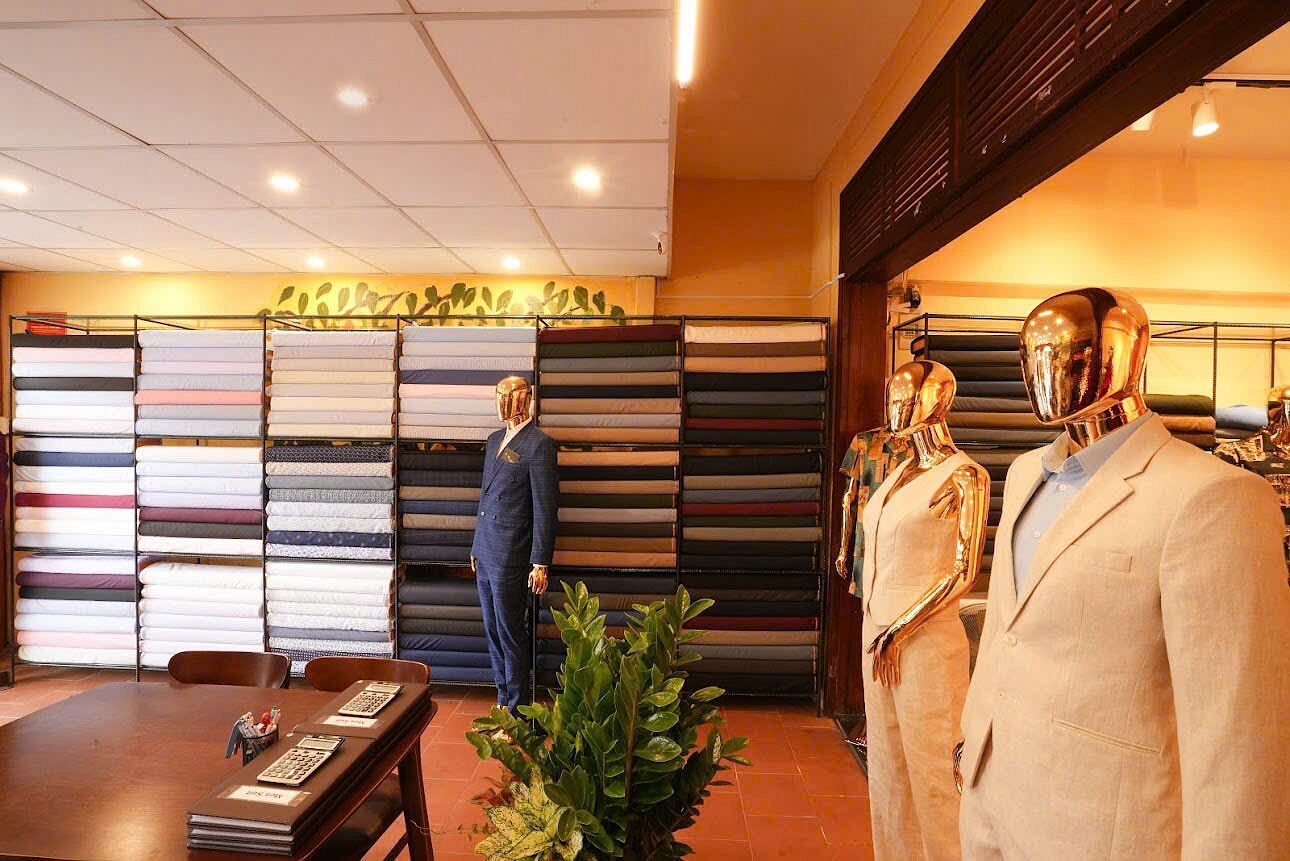
6.1 Fabric Weight Determines Structure
A perfectly fitted suit cannot exist without the right fabric. Hoi An Suit Tailors recommend fabrics based on:
-
Climate conditions
-
Intended use
-
Duration of wear during the day
6.2 Fabric Transparency – A Sign of a Reputable Tailor
Quality tailoring shops always explain fabric origin and characteristics clearly, helping clients understand the true value of their suit.
7. Fitting – A Step That Cannot Be Skipped
Throughout the entire tailoring process, fitting is the stage that ultimately determines whether a suit is truly “perfectly fitted.” Many suits look great on a hanger but feel uncomfortable when worn—often due to rushed or insufficient fitting.
A professional Hoi An Suit Tailor considers fitting mandatory, never optional.
7.1 Fitting Is More Than Just Trying On the Suit
Fitting is a comprehensive evaluation of:
-
Actual body measurements
-
The constructed form
-
Real movement and comfort
Tailors observe how the suit responds when standing, sitting, walking, raising arms, or turning—motions no measurement chart can fully predict.
7.2 Why Fitting Determines Whether a Suit Is Truly Well-Fitted
A perfectly fitted suit is not the tightest one, but one that:
-
Sits cleanly on the shoulders
-
Is shaped at the waist without restriction
-
Allows free movement while maintaining structure
Without proper fitting, issues such as uneven shoulders, incorrect sleeve length, or back tension remain unresolved.
7.3 How Many Fittings Does a Proper Hoi An Suit Tailor Offer?
The number of fittings reflects a tailor’s commitment to quality:
-
1 fitting: high risk, suitable only for rush orders
-
2 fittings: acceptable standard
-
3 fittings: hallmark of a quality Hoi An Suit Tailor
Each fitting serves a distinct purpose, from checking overall structure to refining fine details and final comfort.
7.4 Details Adjusted During Fitting
Experienced Hoi An Suit Tailors fine-tune details down to millimeters, including shoulder slope, collar gap, sleeve length, and balance between front and back panels.
7.5 Fitting as a Dialogue Between Tailor and Client
Fitting is a two-way process. Professional tailors encourage clients to share comfort feedback, movement habits, and style preferences. The goal is personalization, not imposed form.
7.6 Fitting Makes the Suit Truly Belong to the Wearer
Two people with identical measurements can still require different suit forms. Through fitting, the suit becomes uniquely adapted to posture, lifestyle, and natural movement.
7.7 Why Fitting Is Essential When Choosing a Hoi An Suit Tailor
Without fitting, a suit may lose shape quickly, feel uncomfortable, and be difficult to correct later. That is why fitting is the heart of handcrafted tailoring.
👉 A suit is only truly finished after the final fitting.
8. Finishing Details and Their Impact on Suit Form
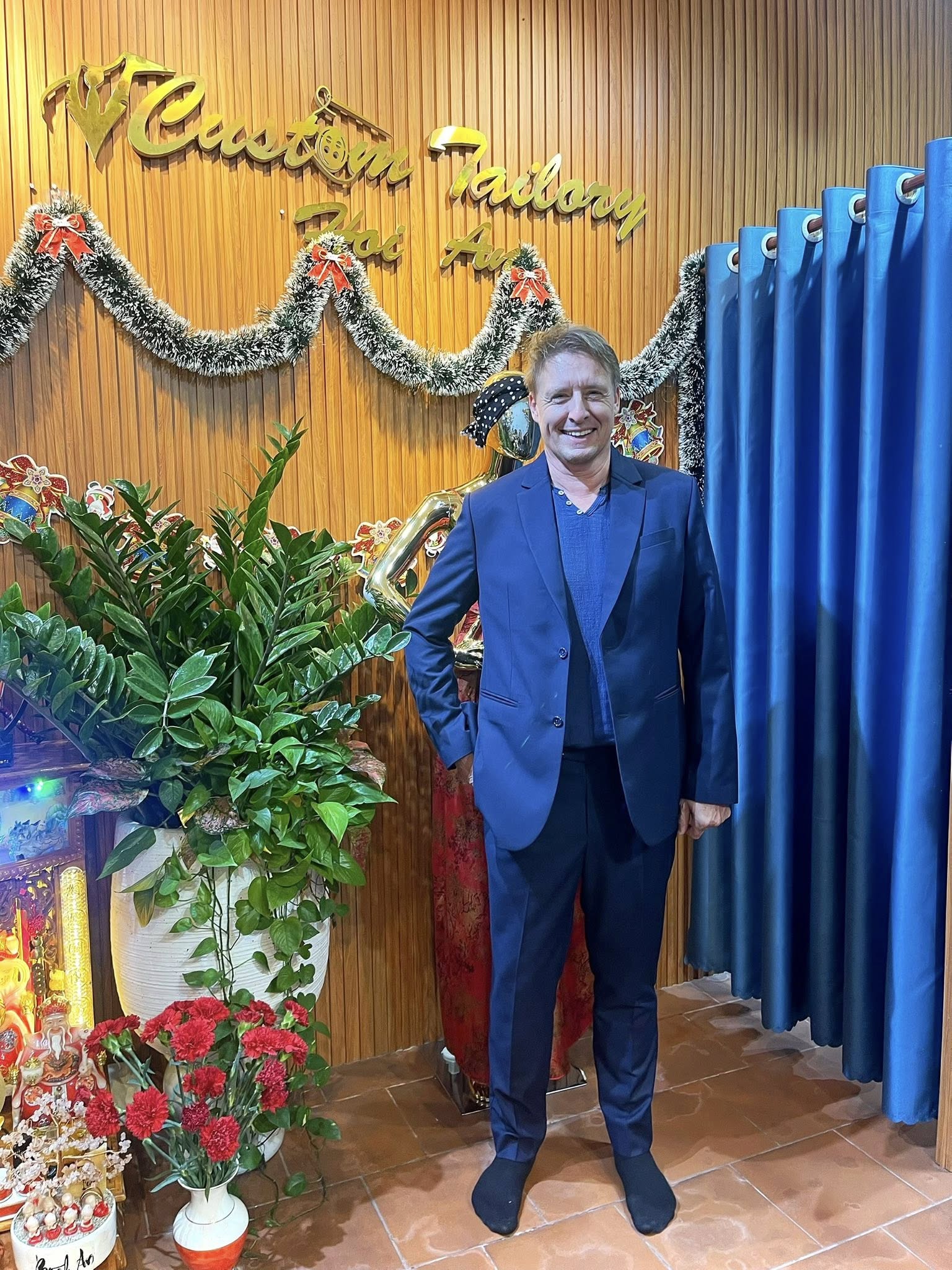
In bespoke tailoring, a suit’s final form is not defined only by measurements or fitting sessions, but by the finishing stage—where structure, balance, and comfort are permanently set. This is the phase that clearly separates an average custom suit from one crafted by a professional Hoi An suit tailor.
Seemingly minor details play a decisive role in how the suit sits on the body, how it moves with the wearer, and how well it maintains its shape over time.
8.1 Stitching Quality – The Structural Backbone of a Well-Fitted Suit
Stitching forms the internal framework of a suit. A reputable Hoi An suit tailor ensures that:
-
Stitch lines are straight, even, and consistent
-
Stitch density is adjusted according to stress points
-
No loose threads appear around the lapels, armholes, or hems
Precise stitching prevents distortion, supports the suit’s structure, and helps the garment retain its original form even after long-term wear.
8.2 Lapels – Where Craftsmanship Becomes Visible
Lapels are one of the most noticeable elements of a suit and one of the clearest indicators of tailoring skill. At a professional Hoi An suit tailor, lapels are:
-
Symmetrical on both sides
-
Naturally rolled rather than stiff or flat
-
Cleanly attached without gaping from the chest
Well-executed lapels enhance the chest and shoulder line, creating a balanced and refined silhouette.
8.3 Collar Construction – A Critical Factor in Proper Fit
A poorly constructed collar can compromise the entire suit. High-quality Hoi An suit tailors pay special attention to ensuring that the collar:
-
Sits flush against the neck without gaps
-
Remains smooth during head movement
-
Maintains contact throughout a full day of wear
Correct collar alignment improves comfort and preserves a clean appearance in every posture.
8.4 Sleeve Length and Jacket Proportions – Creating Visual Balance
Sleeve length and jacket proportions strongly influence how the body appears. An experienced Hoi An suit tailor carefully adjusts:
-
Sleeve length to match the wearer’s arm structure
-
Shirt cuff exposure to a refined, classic standard
-
Jacket length based on standing and seated posture
These adjustments help achieve a well-balanced look, regardless of body type.
8.5 Pockets, Buttons, and Supporting Details
Secondary details can subtly affect the suit’s overall form. A professional Hoi An suit tailor ensures that:
-
Pockets lie flat without bulging
-
Buttons align precisely and are securely attached
-
Functional buttonholes remain clean and proportional
Attention to these elements ensures visual harmony and prevents distortion during wear.
8.6 Inner Structure and Lining – What Holds the Form Together
The outer fabric alone does not define a suit’s structure. A well-constructed suit includes:
-
Breathable linings suited for warm climates
-
Internal canvassing that supports shape without stiffness
-
Balanced construction for both durability and comfort
Skilled Hoi An suit tailors customize the internal structure based on the wearer’s needs rather than relying on rigid, standardized patterns.
8.7 Comfort as the Final Test of Finishing Quality
A properly finished suit should feel natural on the body. Signs of excellent finishing include:
-
No shoulder tension when raising the arms
-
Freedom of movement when sitting or walking
-
Minimal shifting or pulling during extended wear
These qualities result from meticulous attention to finishing details—an area where experienced Hoi An suit tailors truly excel.
8.8 Why Finishing Details Define a True Hoi An Suit Tailor
While fabric and style can be chosen or changed, finishing details are the hardest elements to correct once a suit is completed. They directly reflect:
-
The tailor’s technical expertise
-
Commitment to craftsmanship
-
Long-term value of the suit
For this reason, evaluating finishing details is one of the most reliable ways to identify a trustworthy Hoi An suit tailor and ensure a suit that remains elegant, comfortable, and structurally sound over time.
9. Why Are Suits from Hoi An Suit Tailors Easier to Wear Than Ready-Made Suits?
One of the most common reasons international visitors choose a Hoi An suit tailor is simple: bespoke suits feel noticeably easier to wear than ready-made alternatives. This comfort is not accidental—it is the result of personalized tailoring, thoughtful construction, and a deep understanding of how garments interact with the human body.
9.1 Designed for the Individual, Not the Average Body
Ready-made suits are created based on standardized sizing systems intended to fit the “average” body. In contrast, a Hoi An suit tailor builds each suit around the unique proportions of the wearer.
This approach considers:
-
Shoulder slope and balance
-
Natural posture and stance
-
Differences between left and right sides of the body
Because the suit is shaped specifically for the individual, it rests naturally on the body instead of forcing the body to adapt to the garment.
9.2 Natural Freedom of Movement
One of the first things wearers notice in a suit from a Hoi An suit tailor is the freedom to move. The jacket and trousers are constructed to support real-life motion, including:
-
Sitting for long periods
-
Walking or climbing stairs
-
Reaching forward or raising the arms
This ease of movement comes from precise armhole placement, balanced jacket length, and flexible internal structure—details rarely optimized in mass-produced suits.
9.3 Balanced Fit Without Excessive Tightness
Many ready-made suits aim for a slim appearance by relying on tight cuts. While visually appealing on a hanger, this often results in discomfort when worn.
A professional Hoi An suit tailor understands that a suit should be:
-
Close to the body without restriction
-
Structured without rigidity
-
Clean in silhouette while remaining breathable
The result is a suit that looks refined yet feels comfortable throughout the day.
9.4 Personalized Weight Distribution and Structure
In bespoke tailoring, comfort also depends on how the suit’s weight is distributed across the body. A skilled Hoi An suit tailor adjusts:
-
Canvas placement to support the chest naturally
-
Shoulder construction to avoid pressure points
-
Trousers rise and balance to prevent pulling
These refinements reduce fatigue and create a sensation that the suit moves with the wearer rather than against them.
9.5 Fewer Adjustments, Less Compromise
Ready-made suits often require multiple alterations to achieve an acceptable fit. Even then, the underlying structure remains unchanged.
With a Hoi An suit tailor, the suit is built correctly from the start. Because the pattern is drafted specifically for the wearer:
-
Alterations are minimal
-
Structural compromises are avoided
-
The final fit feels intentional rather than corrected
This precision contributes directly to long-term comfort.
9.6 Adapted to Climate and Lifestyle
Many ready-made suits are designed for cooler climates and formal environments. A Hoi An suit tailor, however, takes into account:
-
Warm and humid weather conditions
-
Travel and daily movement
-
Casual-to-formal versatility
Fabric choice, lining, and construction are all adapted to ensure the suit remains comfortable in real-world conditions.
9.7 Long-Term Comfort Over Time
Comfort is not just about the first wear. Suits from a reputable Hoi An suit tailor are designed to maintain their fit and feel over time.
Thanks to reinforced seams, proper balance, and quality finishing:
-
The suit retains its shape
-
The fabric ages gracefully
-
Comfort improves as the suit adapts to the wearer
This longevity is rarely achieved with ready-made garments.
9.8 Why Once You Choose a Hoi An Suit Tailor, You Rarely Go Back
After experiencing the ease and comfort of a bespoke suit, many clients find it difficult to return to off-the-rack options. A Hoi An suit tailor offers something fundamentally different:
-
A garment that understands the body
-
A fit that feels natural, not forced
-
A suit that becomes part of the wearer’s lifestyle
This is why suits made in Hoi An are not just worn—they are lived in.
10. What Truly Creates a Perfectly Fitted Suit from a Hoi An Suit Tailor?
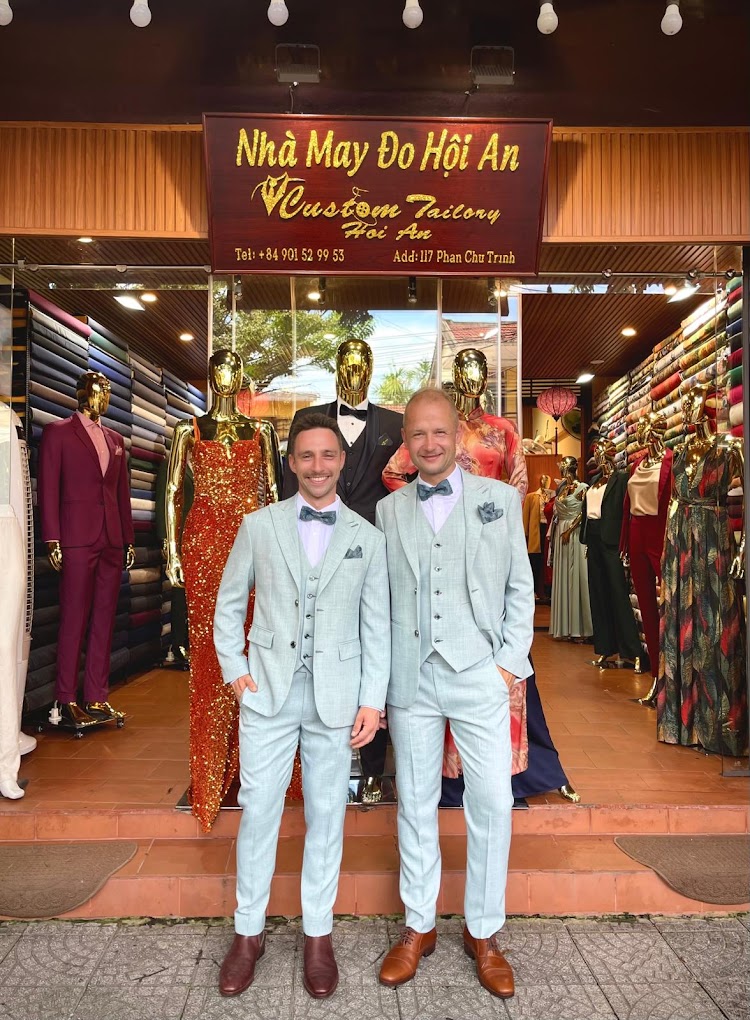
A perfectly fitted suit is the result of:
-
Master tailor craftsmanship
-
A structured tailoring process
-
Body-type-specific form handling
-
Appropriate fabric selection
-
A professional fitting experience
These elements together have made Hoi An Suit Tailor the top choice for international travelers seeking a suit that is not only well-fitted, but comfortable and enduring.
If you want a truly perfectly fitted suit, visit Custom Tailory Hoi An today.
📍 Address: 117 Phan Chu Trinh, Hoi An, Da Nang – Google Map
📞 Hotline: 0901 529 953
🌐 Fanpage: Here
🌐 Website: https://www.customtailoryhoian.com/