Hội An has long been recognized as Vietnam’s tailoring paradise, where visitors can have a perfectly fitted, elegant, and personalized outfit within just a few hours to a day. However, achieving a perfect fit depends heavily on the fitting session — a step that many first-time clients often find confusing.
This article serves as the most detailed fitting guide for beginners, helping you feel confident at any high-end Hoi An Tailor. From preparation, communicating with the tailor, identifying fitting errors, to understanding the fitting process — everything is compiled in one comprehensive, easy-to-follow guide designed to optimize your tailoring experience.
1. Why Fitting at Hoi An Tailors Is So Important

1.1. Fitting Determines 80% of the Outfit’s Perfection
A beautiful outfit depends not only on the fabric or stitching but primarily on how well it fits. Fitting allows the tailor to adjust every detail, such as shoulder width, sleeve length, chest and waist dimensions, and even the drape of the fabric.
At Hoi An Tailors, the fitting process is far more meticulous than elsewhere, which is why custom-made garments here are famously “molded to your body.”
1.2. Opportunity to Fine-Tune Personal Style
Fitting isn’t just about correcting mistakes; it’s also a chance to refine your personal style:
-
Do you prefer a snug or relaxed fit?
-
Do you want longer sleeves for elegance or shorter ones to show your watch?
-
Do you want European-structured shoulders or softer Asian-style shoulders?
Only through fitting can you truly understand how the garment will look on your body.
1.3. Minimizing Post-Purchase Issues
No one wants to bring home a suit, dress, or shirt that doesn’t fit properly. Careful fitting minimizes common issues such as:
-
Misaligned shoulders
-
Waist too loose
-
Sleeves too long
-
Dress pulling at the hips
-
Excess fabric in trousers
-
Suit losing its shape
This is why fitting is often called the “soul” of professional tailoring.
2. Standard Fitting Process at a Hoi An Tailor
High-end Hoi An Tailors typically follow a professional 4–5 step fitting process. Here’s the standard structure:
2.1. First Fitting – Rough Form Check

Goal:
-
Check overall shape
-
Adjust shoulders, chest, waist, and length
At this stage, the garment is usually incomplete, sometimes only basted with temporary stitches. This is when the tailor begins “reading your body.”
2.2. Second Fitting – Detail Adjustments
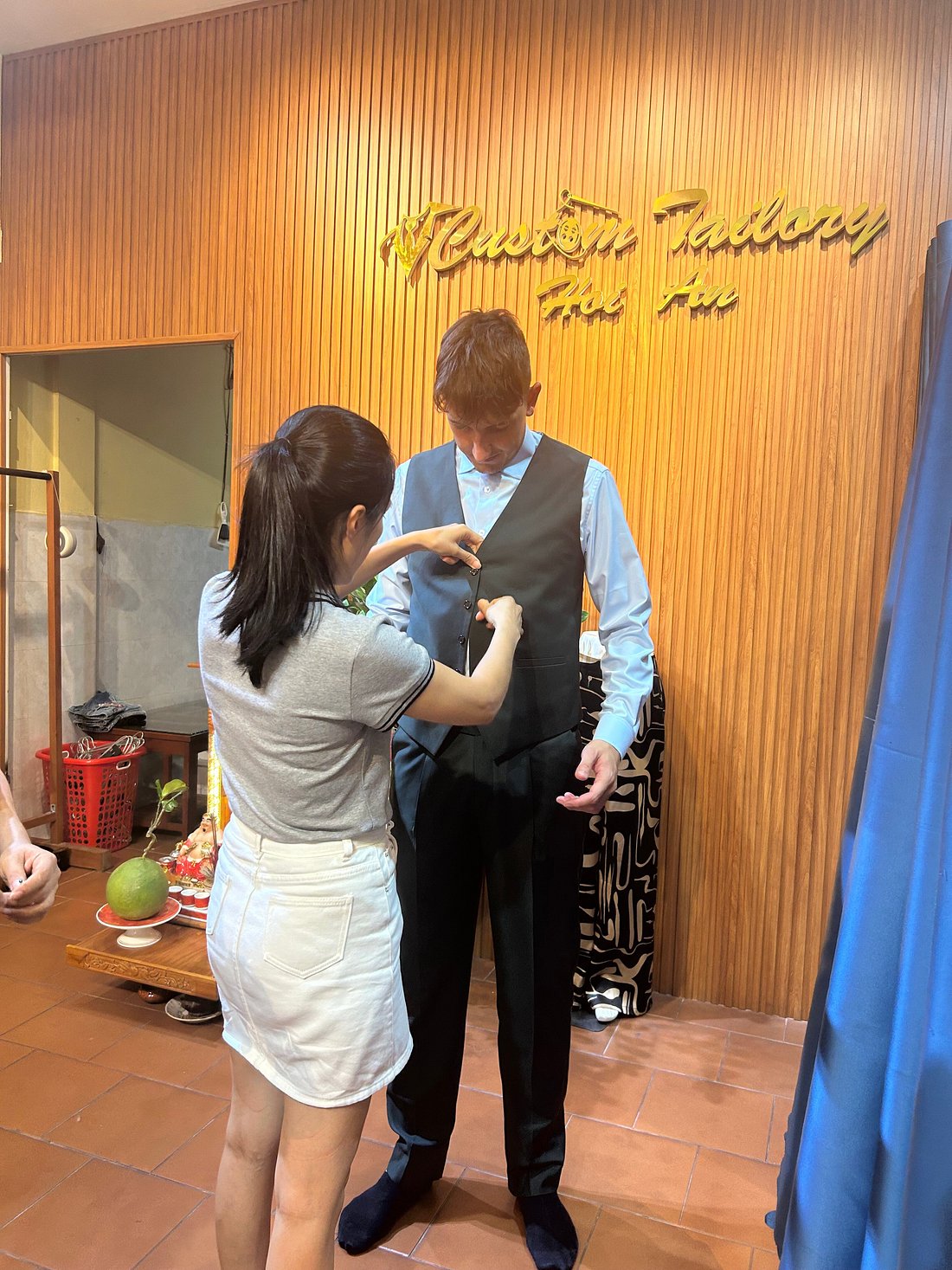
Goal:
-
Correct minor details
-
Check sleeves, collars, and fabric drape
-
Ensure comfort during movement
The garment is nearly finished, and your style begins to emerge clearly.
2.3. Third Fitting – 95% Completion

Goal:
-
Final check before completion
-
Fine-tune the garment’s silhouette
-
Ensure the fit is perfect while standing, sitting, or moving
For suits and jackets, this is the most critical fitting session.
2.4. Fourth Fitting (If Needed) – Post-Completion Adjustments
Not everyone needs this step, but clients seeking perfection often request a final check.
3. How to Prepare Before a Fitting at Hoi An Tailors
3.1. Bring Appropriate Shoes
For example:
-
Suit → Dress shoes
-
Long dress → High heels
-
Trousers → Loafers or Oxfords
Shoes directly affect the pants’ length and overall posture.
3.2. Wear Proper Undergarments
-
Body-hugging dresses need shapewear
-
Suits require a proper-fit T-shirt
-
Shirts need thin, neutral-colored undergarments
Incorrect undergarments can lead to inaccurate fitting results.
3.3. Prepare Your Desired Style
Bring along:
-
Reference photos
-
Pinterest or Instagram inspiration
This helps the tailor fully understand your vision.
4. How to Communicate with Your Tailor for a Perfect Fitting
4.1. Clearly Describe the Outfit’s Purpose
-
Attending an event?
-
Work attire?
-
Photoshoot?
-
Beachwear?
Each purpose leads to different design considerations.
4.2. Express Likes and Dislikes
Hoi An tailors are highly skilled but cannot “read minds.” Don’t hesitate to say:
-
“The shirt feels a bit tight.”
-
“I want the pants to hold their shape better.”
-
“I’d like the dress to be more elegant or more modest.”
4.3. Move During Fitting
Don’t just stand still. Try:
-
Sitting
-
Raising your arms
-
Taking a few steps
This helps the tailor see if the garment is truly comfortable.
5. Common Fitting Mistakes for Beginners and How to Fix Them at Hoi An Tailors
Fittings at Hoi An Tailors are crucial to achieving a perfect, custom-made garment. However, beginners often make mistakes that can affect the final fit, comfort, and appearance of their clothing. Understanding these common errors and how to address them ensures a smoother process, a better-fitting outfit, and a more enjoyable tailoring experience.
5.1. Mistake 1: Not Allowing Enough Time for Fittings
One of the most frequent mistakes is not allocating enough time for each fitting session.
Consequences:
-
The garment may not fit properly.
-
Key areas such as shoulders, waist, and sleeves may remain unadjusted.
-
Later corrections require multiple extra visits, increasing both time and cost.
How to Fix:
-
Schedule at least 30–60 minutes for each fitting, and longer for complex designs like evening gowns or suits.
-
Plan for multiple fittings if needed, particularly for tailored suits or dresses.
-
Bring shoes, accessories, or other garments you plan to pair with the outfit to help the tailor achieve a precise fit.
5.2. Mistake 2: Not Understanding Body Shape and Garment Style
Beginners often lack awareness of which styles suit their body shape.
Consequences:
-
Selecting the wrong cut for a suit, dress, or traditional áo dài.
-
Garments may appear stiff, awkward, or unflattering.
How to Fix:
-
Discuss your body type, height, weight, and proportions with your tailor.
-
Explain the intended use of the garment and your style preferences.
-
Review demo samples or reference garments before finalizing fabric and patterns.
5.3. Mistake 3: Choosing the Wrong Fabric for Your Body Type
Fabric choice significantly impacts fit, drape, and overall comfort. Selecting unsuitable materials can ruin the look of even the most carefully cut garment.
Consequences:
-
Fabrics that are too soft may not hold shape for structured silhouettes.
-
Fabrics that are too stiff may restrict movement or look heavy on softer body types.
How to Fix:
-
Examine and touch the fabric samples at the tailor shop.
-
Ask about stretch, drape, thickness, and breathability.
-
Choose fabrics that complement your body type and the intended occasion, whether casual, formal, or office wear.
5.4. Mistake 4: Not Testing All Movements During Fitting
Many beginners try on garments and only stand still without performing common movements.
Consequences:
-
Sleeves or pants may feel tight when sitting or bending.
-
Seams may pull or shift during movement.
-
Additional fittings may be required to fix these issues.
How to Fix:
-
During the fitting, sit, bend, raise your arms, and walk around.
-
Highlight areas that feel tight or loose.
-
Make sure the tailor notes adjustments for subsequent fittings.
5.5. Mistake 5: Not Recording Measurements or Personal Preferences
Failing to record measurements or individual customization preferences creates problems for future orders.
Consequences:
-
You’ll need to be re-measured for each new garment.
-
Personalized adjustments like sleeve length, shoulder width, or jacket fit may be lost.
How to Fix:
-
Ask the tailor to save your measurements for future visits.
-
Document any custom adjustments and preferences.
-
Keep photos or notes of your completed garments to guide future tailoring.
5.6. Mistake 6: Ignoring the Tailor’s Expert Advice
Professional Hoi An tailors have extensive experience in reading body shapes and choosing the right fabrics, but beginners sometimes disregard their recommendations.
Consequences:
-
Choosing a cut, color, or material that doesn’t suit your body.
-
Garments may look unflattering or feel uncomfortable.
How to Fix:
-
Listen carefully to your tailor’s suggestions regarding style, fabric, and fit.
-
Ask for explanations if their recommendation differs from your initial idea.
-
Agree on a final plan before cutting the fabric to avoid mistakes.
6. Fitting Guide for Popular Garment Types at Hoi An Tailors
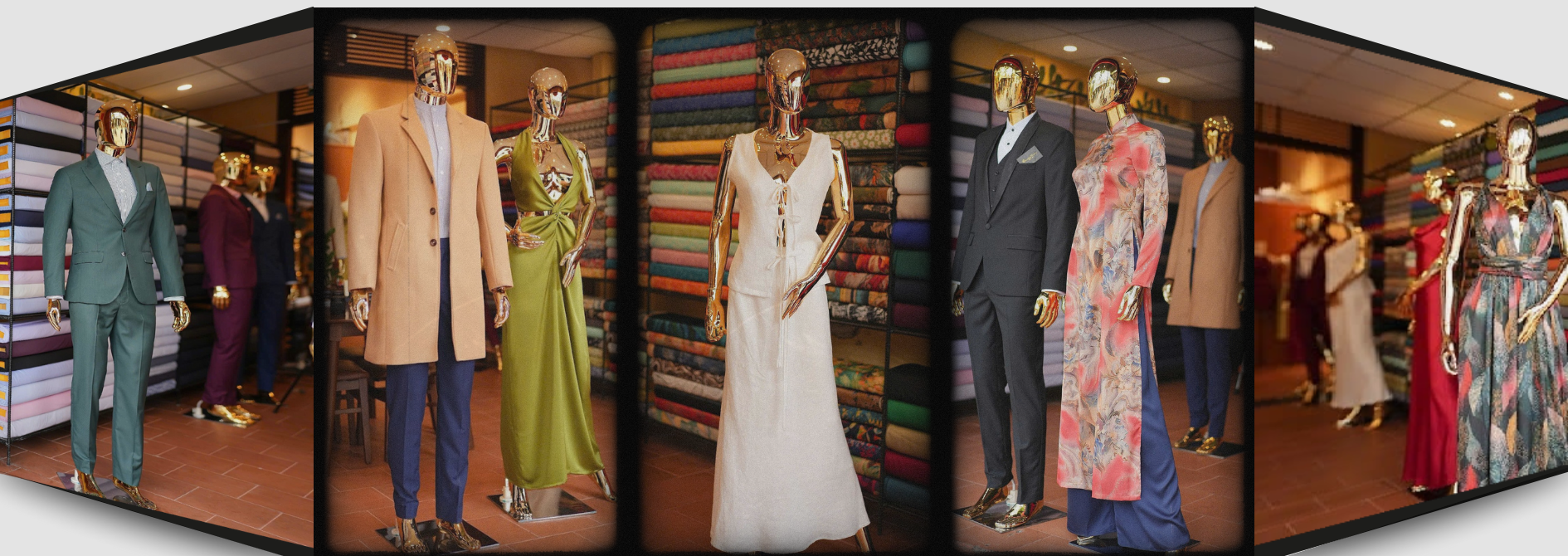
Fitting is the key step to achieving a perfect, custom-made garment at any Hoi An Tailor. Understanding how to approach fittings for different types of clothing ensures that your outfit fits impeccably, feels comfortable, and highlights your personal style. Below is a detailed, garment-specific guide to help you navigate each fitting session with confidence.
6.1. Men’s Suit Fitting – Precision in Every Detail
A men’s suit is a symbol of sophistication and elegance, so the fitting process must focus on precision at every stage.
Step 1: Shoulder and Overall Shape
The shoulders determine the overall silhouette. Ensure the shoulder seams align perfectly with your natural shoulders—neither too wide nor too narrow. Proper shoulder fit is essential for a balanced look and comfort when moving.
Step 2: Chest and Waist Adjustment
Your Hoi An tailor will carefully adjust the chest and waist areas so the suit hugs the body without restricting movement. This step emphasizes the natural shape while maintaining comfort for daily wear or formal occasions.
Step 3: Sleeve and Trouser Length
Sleeve length should just reach the wrist bone when your arms are relaxed, and trouser hems should fall gracefully over your shoes. This ensures a polished, professional appearance consistent with international tailoring standards.
6.2. Women’s Vest Fitting – Elegant and Flattering
Women’s vests require a balance between structure and comfort.
Step 1: Waist Contouring
Tailors focus on the waist to create a defined silhouette. Adjustments are made to highlight curves naturally without constricting the chest area.
Step 2: Shoulder and Sleeve Fit
Shoulders must be perfectly aligned, and sleeves should accommodate natural movement, making the vest versatile for office or formal events.
Step 3: Overall Balance
The length, cut, and structure are refined to ensure the vest is proportionate from shoulder to hemline, achieving harmony in the overall silhouette.
6.3. Áo Dài Fitting – Traditional Vietnamese Elegance
The áo dài demands meticulous attention to fit and drape.
Step 1: Collar and Shoulder
The collar should sit snugly around the neck without causing discomfort, and the shoulder seams must align perfectly for a smooth fit across the upper body.
Step 2: Bodice and Skirt
The top should contour the torso lightly, while the skirt drapes naturally, neither stiff nor overly loose. This creates the iconic elegance and fluidity of the áo dài.
Step 3: Sleeve and Hem Length
Ensure sleeves allow comfortable arm movement, and the hem is proportionate to your height for graceful walking.
6.4. Evening Dress Fitting – Maximum Flattery
Fitting for evening dresses emphasizes body shaping and elegance.
Step 1: Bust and Waist Alignment
Dresses like bodycon or fitted evening gowns should hug the bust and waist precisely, enhancing natural curves without discomfort.
Step 2: Hem and Length Adjustment
Length must correspond to the event and your height. Hoi An tailors will trim and adjust hems to prevent tripping while maintaining elegance.
Step 3: Fabric Drape and Structure
For flared skirts or layered designs, tailors adjust drape, pleats, and layers to ensure the dress looks flawless from all angles.
6.5. Shirt Fitting – Attention to Small Details
Even a simple shirt requires careful fitting for a sharp, clean look.
Step 1: Collar Fit
The collar should be snug but not restrictive, offering comfort and a professional appearance.
Step 2: Shoulder and Sleeve Length
Ensure the shoulders sit correctly and the sleeve length reaches the wrist without excess fabric.
Step 3: Body Fit
The shirt body should follow the torso naturally, allowing movement while maintaining a crisp, tailored appearance.
6.6. Tips for a Successful Fitting at Hoi An Tailors
-
Allow Sufficient Time: Each fitting session should not be rushed; allocate at least 30–60 minutes, more for complex garments.
-
Bring Accessories: Shoes, belts, or any accessories you plan to wear with the garment help tailors adjust the fit accurately.
-
Take Notes and Ask Questions: Document adjustments, take pictures if needed, and ensure your preferences are clearly communicated.
-
Communicate Comfort: Share how the garment feels in motion, whether sitting, walking, or stretching.
7. Ideal Fitting Timeline in Hoi An
Planning your fittings properly is essential to getting the best results at a Hoi An Tailor. Following an organized timeline ensures each garment is meticulously crafted, tailored to your body, and delivered on time. Here is a detailed guide for beginners and travelers who want a smooth and stress-free tailoring experience.
7.1. Day 1 Morning – Fabric Selection and Measurements
The first step of the tailoring process is choosing the perfect fabric and taking precise measurements. Key Points:
-
Fabric Selection: Examine swatches for color, texture, and drape. High-quality Hoi An Tailors offer a wide variety, including silk, wool, linen, cotton, and blends.
-
Measurement Session: A professional tailor will take 20–25 body measurements, including shoulders, chest, waist, hips, arm length, inseam, and more.
-
Style Consultation: Discuss the intended purpose of the garment—formal events, office wear, casual, or traditional attire—to ensure the tailor understands your vision.
This step sets the foundation for a perfect fit. Spending extra time here reduces errors in later stages.
7.2. Day 1 Afternoon – First Fitting
After fabric selection and measurements, the first fitting focuses on checking the basic form of the garment. Objectives of the First Fitting:
-
Evaluate overall silhouette and proportion.
-
Adjust shoulder width, chest fit, and sleeve length.
-
Ensure the initial cut aligns with your body shape and posture.
At this stage, the garment may be basted (loosely stitched) rather than fully finished. This allows the tailor to make precise adjustments without committing to permanent seams.
7.3. Day 2 Morning – Second Fitting (Detail Adjustment)
The second fitting is critical for refining the details. What Happens During This Fitting:
-
Fine-tune sleeve length, collar fit, and trouser hems.
-
Adjust waist, darts, or pleats to enhance the garment’s form.
-
Test movement: sit, bend, raise arms, and walk to check comfort.
By this stage, the garment looks closer to the final product, and you will start to see how the style and cut suit your body.
7.4. Day 2 Afternoon – Final Adjustments and Completion
The final fitting focuses on perfection.
Key Steps:
-
Ensure the garment maintains its shape while standing, sitting, or moving.
-
Make any last corrections to seams, hems, or detailing.
-
Confirm that the fit aligns with your personal style preferences and comfort.
Some high-end Hoi An Tailors offer an optional fourth fitting for clients seeking absolute perfection, particularly for complex designs like wedding dresses, custom suits, or high-fashion gowns.
7.5. Tips for a Smooth Fitting Timeline
-
Start Early: If your trip to Hoi An is short, book fittings as soon as possible to allow time for adjustments.
-
Bring Accessories and Shoes: This ensures proper length, proportion, and overall style coordination.
-
Communicate Clearly: Inform your tailor of your schedule, priorities, and any special requests in advance.
-
Document Preferences: Keep a record of adjustments for future orders, ensuring consistency and convenience.
8. Tips for a 100% Successful Fitting
-
Bring someone with good fashion sense
-
Clearly communicate your preferences
-
Don’t hesitate to try new styles
-
Ask tailor for the best-fitting form
-
Stay relaxed — fitting is a collaborative process
9. Which Hoi An Tailors Offer Professional Fitting?

Look for tailors with:
-
2–3 fitting sessions
-
Expertise in multiple garment forms
-
Clear consultation
-
Specialists in body shape analysis
-
No rush orders compromising quality
10. Fitting: The Key to a Perfect Outfit at Hoi An Tailors
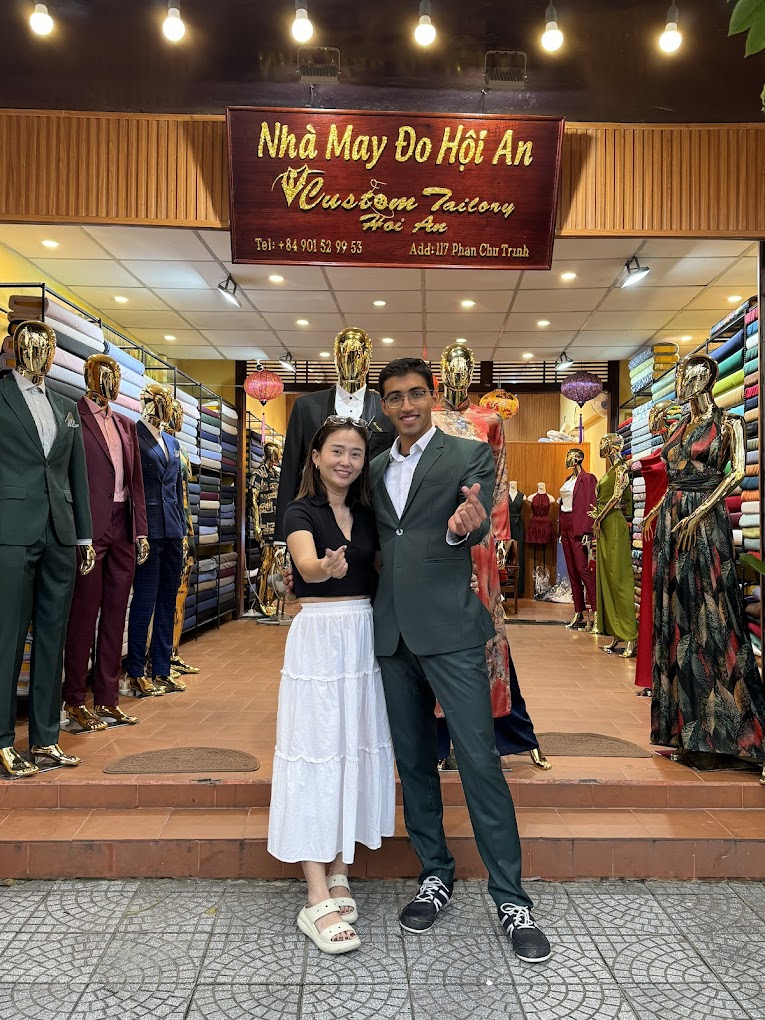
Fitting is the most crucial step at any Hoi An Tailor, ensuring your custom-made garment fits perfectly, flatters your body, and reflects your personal style. Whether ordering a suit, dress, áo dài, shirt, or trousers, a professional fitting allows tailors to adjust shoulder width, chest, waist, sleeves, and hems precisely. By testing movements and communicating preferences, you achieve a comfortable, elegant, and perfectly tailored look.
A proper fitting reduces errors, minimizes revisions, and ensures the garment’s longevity and wearability. It transforms fabric and design into a personalized piece that enhances confidence and style. At Hoi An Tailors, a detailed fitting guarantees your outfit is comfortable, polished, and perfectly aligned with your measurements, completing the ultimate custom tailoring experience.
📍 Address: 117 Phan Chu Trinh, Hoi An, Da Nang – Google Map
📞 Hotline: 0901 529 953
🌐 Fanpage: Here
🌐 Website: https://www.customtailoryhoian.com/