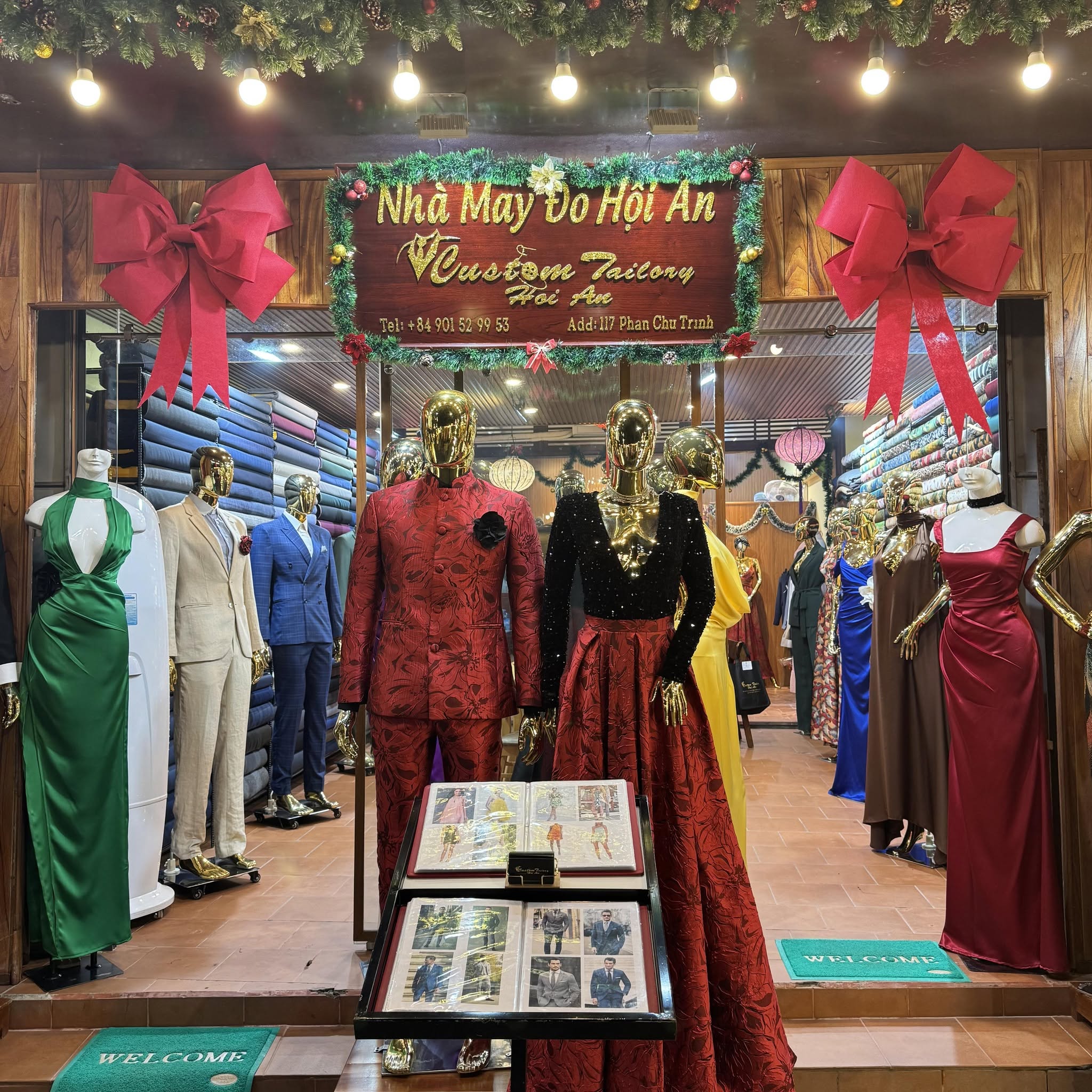
If you are looking for best tailor in Hoi An, start with 3 points: fabric quality, tailoring and shaping skills, and the fitting process. This article explains how to compare quotes, recognize fast tailoring that still needs enough fittings, and choose outfits for work, parties, or travel. In this article, Custom Tailory Hội An. You will also find a 2-5 day sample schedule to get your garments made without rushing.
The best tailor in Hoi An is not identified only by a price list or ads. You can see the difference in how the tailor asks about your needs, explains fabric options, sets a fitting schedule, and handles alterations after the first try-on.
This article focuses on practical ways to evaluate tailors and place an order based on real situations. The goal is to help you choose the right shop, the right service, and the right timeline so your clothes fit well and last longer.
1. Criteria to evaluate the best tailor in Hoi An
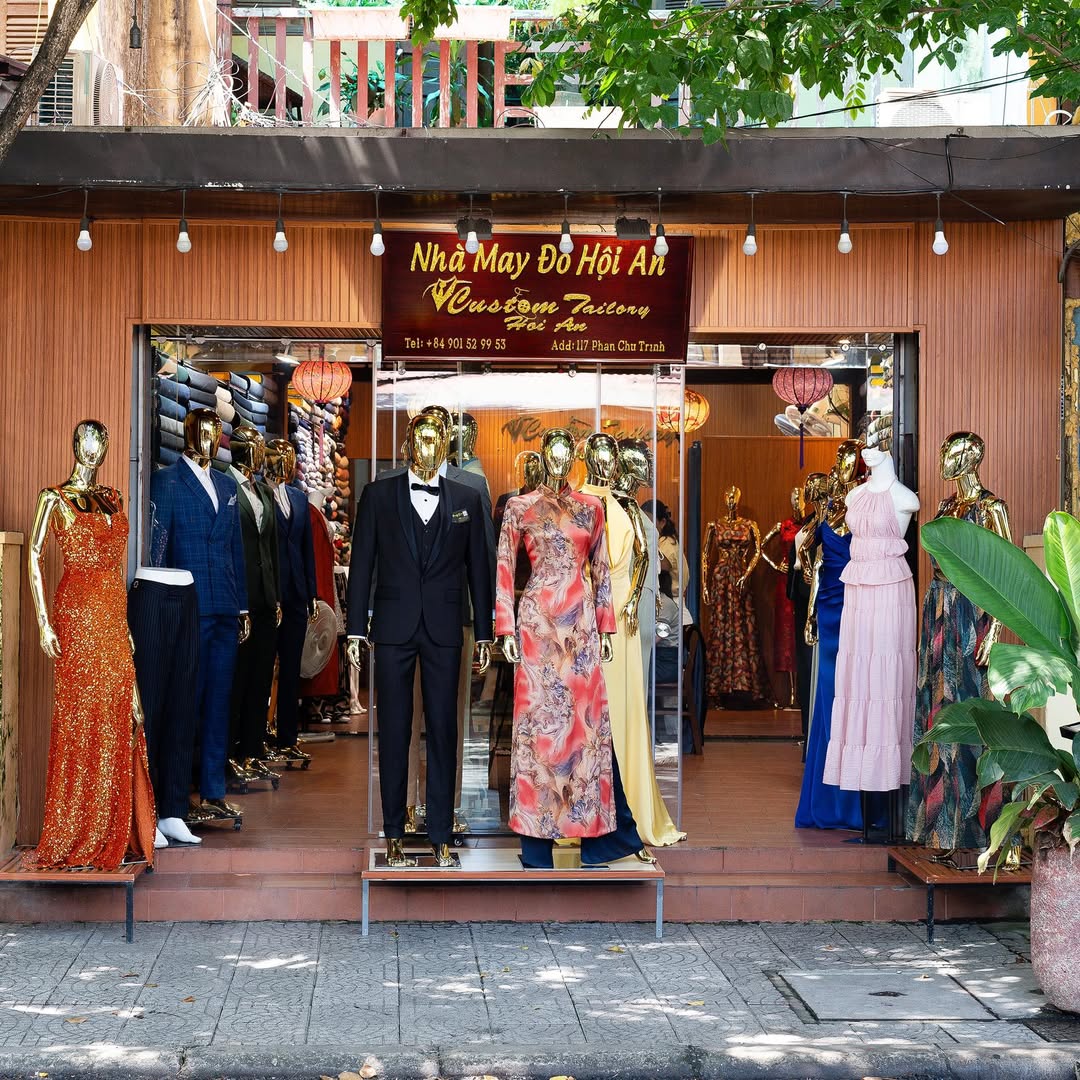
A reliable tailor usually clarifies 3 things before taking your order: what occasion you will wear it for, whether you prefer comfort or a sharper structure, and how many days you have in Hoi An. If a shop only asks for basic size and promises immediate pickup, the risk of poor fit is high.
You should also evaluate the tailor based on real samples, how they explain the inside structure, and the minimum number of fittings included. Simple items can be done quickly, but complex garments usually need more time for proper adjustments.
To apply these criteria, you can check the following points in order when you visit a shop.
1.1 Tailoring structure and finishing quality
Skill is not only about straight stitches. Look at the shoulders, collar, armholes, chest area, and how the garment drapes. For a blazer or suit jacket, key points are whether the shoulders are balanced, the collar sits close without gapping, and whether the body pulls or wrinkles when you raise your arms. When comparing shops, use this as a way to filter the best tailor in Hoi An based on real structure, not recommendations.
You should also ask to see the inside: overlocking, lining, pocket construction, and reinforcement points. A good tailor shows real samples and explains what they will adjust after the first fitting instead of saying “it will be fine.” If possible, check finished pieces from previous customers to see stitch consistency and overall neatness. This is an easy sign to recognize the best tailor in Hoi An.
1.2 Fabric, origin, and how to choose the right one
Fabric affects comfort and durability directly. When choosing, ask clearly about the main fiber, thickness, stretch, and whether the fabric becomes shiny in sunlight. Thin fabric feels cool but wrinkles easily and can reveal seam lines if the fit is too tight. The best tailor in Hoi An usually explains clear pros and cons for each fabric based on weather and your purpose.
In Hoi An, common options often include cotton, linen, wool blends, and some types of silk. When the shop shows swatches, lightly crumple the fabric to see how it wrinkles, and let it fall to check the drape. If you travel in hot months, linen and cotton are breathable, but you should accept natural wrinkling. When you understand fabric, you can choose the best tailor in Hoi An based on accurate advice instead of price.
1.3 Fitting process, number of fittings, and how alterations are handled
A fast made-to-measure process still typically includes at least 1 fitting to correct key points. Many places schedule the first fitting about 12-24 hours after you finalize the design, then adjust and finish.
For complex items, enough fittings reduce issues like uneven shoulders, incorrect sleeve length, or trousers pulling at the crotch. This is important when evaluating the best tailor in Hoi An because it affects how well the shop can shape the garment to your body.
Ask clearly: how many fittings are included, what will be adjusted at each fitting, and whether extra fittings cost more. For suits or detailed dresses, 3-5 days is commonly needed to allow proper adjustments instead of finishing and handing over immediately. If the shop provides a clear fitting schedule and explains what you should check at each fitting, it is easier to choose the best tailor in Hoi An based on a transparent process and consistent output.
2. Made-to-measure process in Hoi An for a proper fit
A standard process usually starts with style advice based on your body shape and how you will use the outfit, then fabric selection and detail confirmation. If you bring reference photos, the tailor should explain what can match the photo and what should be adjusted to suit your body and the fabric.
After confirmation, the shop takes measurements, notes your wearing habits, and sets a fitting schedule. Following the fitting schedule matters as much as craftsmanship because the final shape depends on real try-ons.
Below are common steps and what you should check at each stage.
2.1 Style advice and confirming specs before cutting
At this stage, decide the main fit: regular or slim, natural shoulder or padded, straight or tapered trousers. Confirm jacket length, trouser rise, leg width, and button stance. If you skip these, the first fitting often needs bigger corrections and wastes time.
Ask the shop to write down the confirmed specs: fabric, color, pocket style, lapel style, number of buttons, lining type. A clear shop usually summarizes everything before cutting to avoid misunderstandings.
2.2 Measuring and notes on posture, shoulders, and back
Measurements are not only chest and waist. A good tailor measures shoulder slope, back posture, left-right differences, and how you naturally stand. Some fitting guidance also emphasizes checking movement to avoid tightness.
Stand naturally, wear the shoes you usually wear, and tell the tailor if you sit for long hours or walk a lot. This helps them add the right ease, especially around armholes, upper back, and thighs.
2.3 First fitting and what to check immediately
The first fitting often happens after about 12-24 hours in many fast workflows, depending on the garment. Check whether the shoulders pull, the collar gaps, the sleeves twist, and the jacket body shifts when you stand straight to evaluate the best tailor in Hoi An based on fitting quality. If the tailor points out what needs correction and explains why, that is often a sign of the best tailor in Hoi An in terms of process and skill.
When trying trousers, take a few steps, sit down, and stand up. Check whether the crotch area pulls, the knees puff, and whether the waistband slides when you bend. This is the easiest time to adjust the shape because the garment is not fully finished yet. The best tailor in Hoi An will correct these points before final finishing, so you receive a proper fit and reduce the risk of needing fixes after leaving Hoi An.
2.4 Next fitting, finishing, and checking small issues
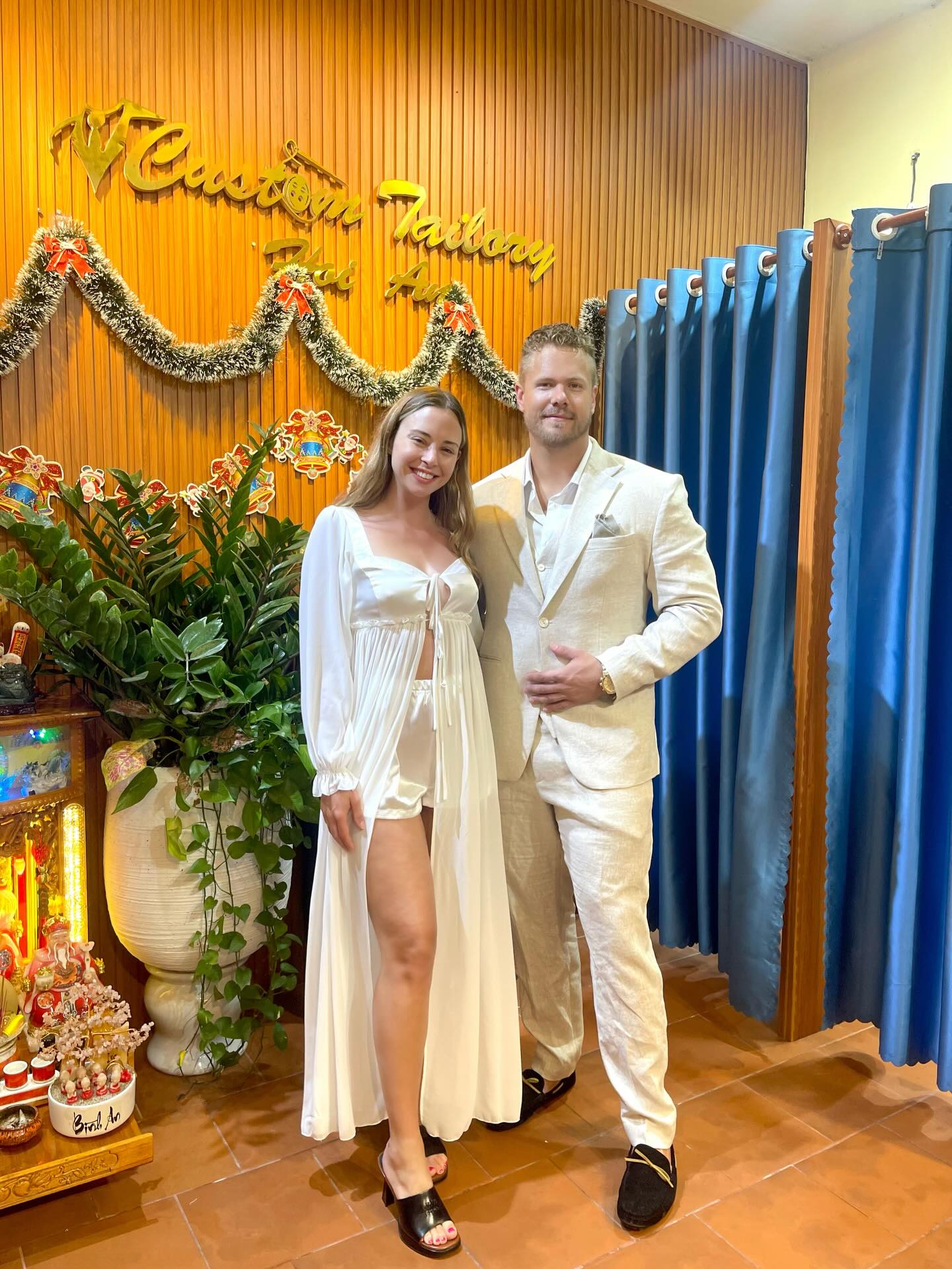
After the first fitting, the shop adjusts based on your feedback. For complex garments, an extra fitting may be needed for higher finishing quality. Many fast-tailoring workflows still follow staged fittings and adjustments, not one-step completion.
At the final fitting, check small issues: sleeve length, trouser hem, left-right balance, pocket placement, lining flatness, and zipper smoothness. If something is not right, fix it at the shop because it is faster than correcting after you travel.
A clear process is the foundation for choosing the best tailor in Hoi An. You do not need tailoring knowledge, but you should know what to check at each step: confirm specs before cutting, use fittings to catch shape issues, and check finishing before pickup. Doing this reduces errors and limits the need for later alterations.
👉🏻See more: https://customtailoryhoian.com/vi/5-ly-do-vi-sao-du-khach-quoc-te-yeu-thich-custom-tailory-hoi-an/
3. Common tailoring services and how to choose based on your needs
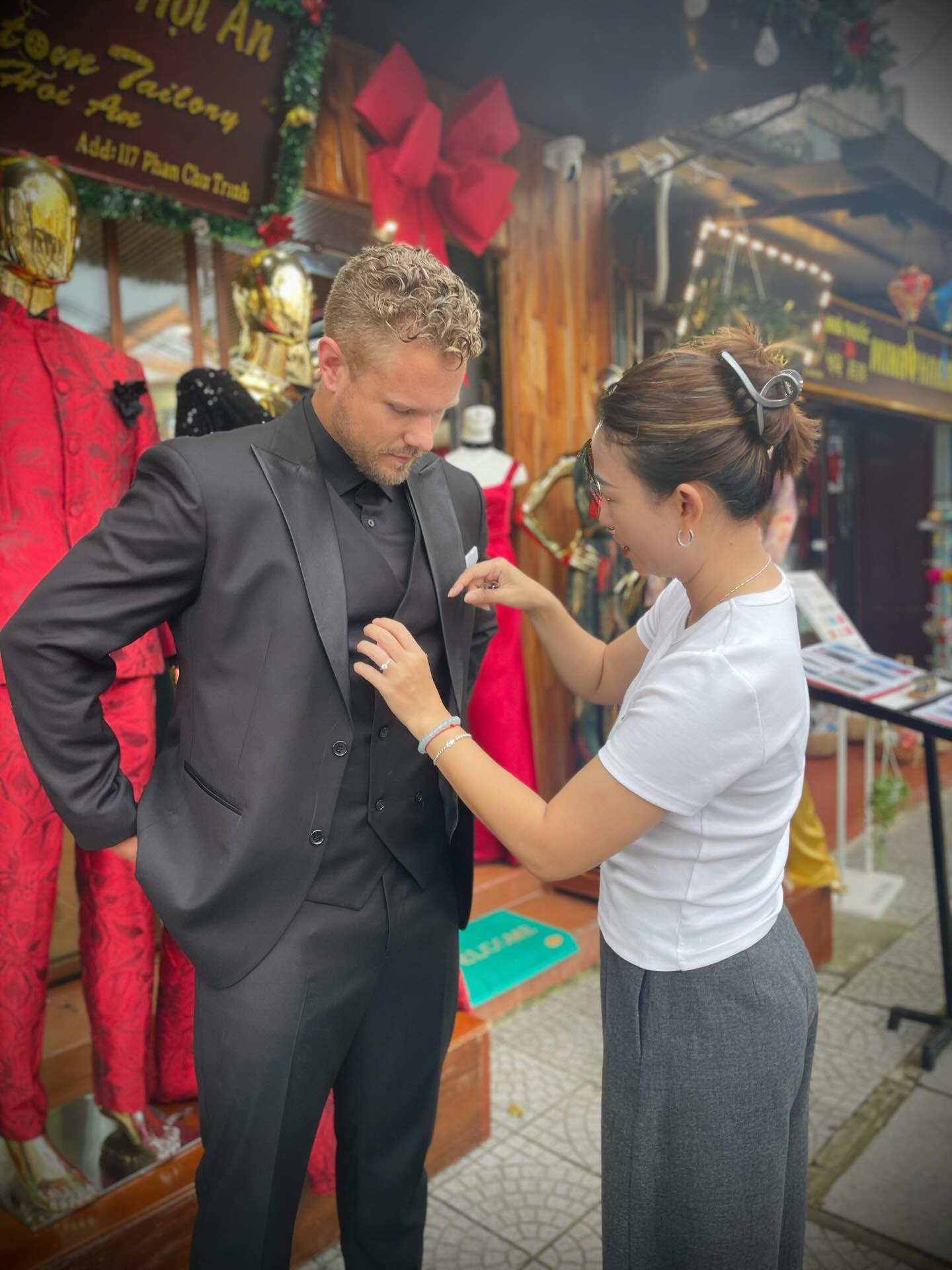
In Hoi An, you can order anything from basic items to complex garments. However, choosing the right service must match your stay duration and your purpose. The more structured details a garment has, the more days you need for fitting and adjustments. When comparing options, use this to filter the best tailor in Hoi An based on time capacity and output quality.
You should also set your priority: do you need it for an event soon, or do you want durable pieces for long-term use. When priorities are clear, you can choose the right items and timeline. The best tailor in Hoi An usually asks about your purpose before suggesting the best service, instead of taking quick orders.
Below are common service groups and suggestions for each situation.
3.1 Suits, blazers, and dress trousers for men
A suit needs high accuracy at the shoulders, chest, waist, and sleeves. If you need a suit for work, choose a regular fit with enough ease for sitting and driving. For parties, you can go slimmer, but you still must check the armholes and upper back to avoid pulling. By testing these points, you can recognize the best tailor in Hoi An by how they correct shoulder and chest shaping.
Because suits often require multiple adjustments, you should plan at least a few days for enough fittings. Many travel guides also recommend 3-5 days for complex garments to allow proper fitting time. If the shop sets a clear fitting schedule and notes what will be adjusted, it is a sign of the best tailor in Hoi An in terms of process.
3.2 Dresses and women’s outfits based on body shape
For dresses, the difficult areas are bust, waist, hips, and how the fabric drapes. With thin fabric, lining and seams must be handled carefully to avoid showing through. With thicker fabric, you must consider structure so the dress is not stiff when moving. The best tailor in Hoi An will suggest fabric based on your body shape to avoid incorrect tightness at bust or hips.
Try the dress in the posture you will actually use: walk quickly, sit down, raise your arms. For party dresses, check how stable it feels at shoulders and bust to avoid constant fixing while wearing. If the shop guides you to check these points during fitting, it is likely the best tailor in Hoi An for fitting experience.
3.3 Ao dai and traditional outfits
An ao dai looks best when the shoulders are balanced, the collar is right, sleeves do not twist, and the body hugs without pulling at the back. Fabric matters: silk and thin materials feel light but can show seam lines, while thicker fabric holds shape but can feel hotter. When choosing an ao dai, watch how the shop measures and adjusts shoulders. This is a clear sign of the best tailor in Hoi An.
When fitting, raise your arms and take long steps to check whether the panels restrict movement and whether the trousers pull at the thighs. These corrections should be done before final finishing to keep the silhouette. If the shop schedules another fitting specifically to adjust sleeves and panels, it often indicates the best tailor in Hoi An in terms of careful work.
3.4 Shirts, trousers, skirts, and basic items
Basic items are suitable if you have limited time and want to manage budget. A shirt must fit well at the neck, shoulders, and upper arms, and should not feel tight when you sit. Trousers must fit correctly at waist, thighs, and knees to avoid pulling or puffing. Even for basics, you can spot the best tailor in Hoi An by shoulder accuracy and waistband fit.
Some shops can finish basics faster. However, you should still have at least 1 fitting to adjust length and fit, because small errors reduce comfort. If the shop keeps a fitting step even for small orders, it is a sign of the best tailor in Hoi An in terms of work attitude.
Each service has its own check points, but the general rule for choosing the best tailor in Hoi An is: the more complex the garment, the more fitting time it needs, and the more demanding the fabric, the more carefully you should test it. When you choose the right service for your needs, you reduce fit risks and avoid multiple fixes after pickup, improving your chance of choosing the best tailor in Hoi An based on real experience.
5. Tailoring prices in Hoi An and how to compare quotes
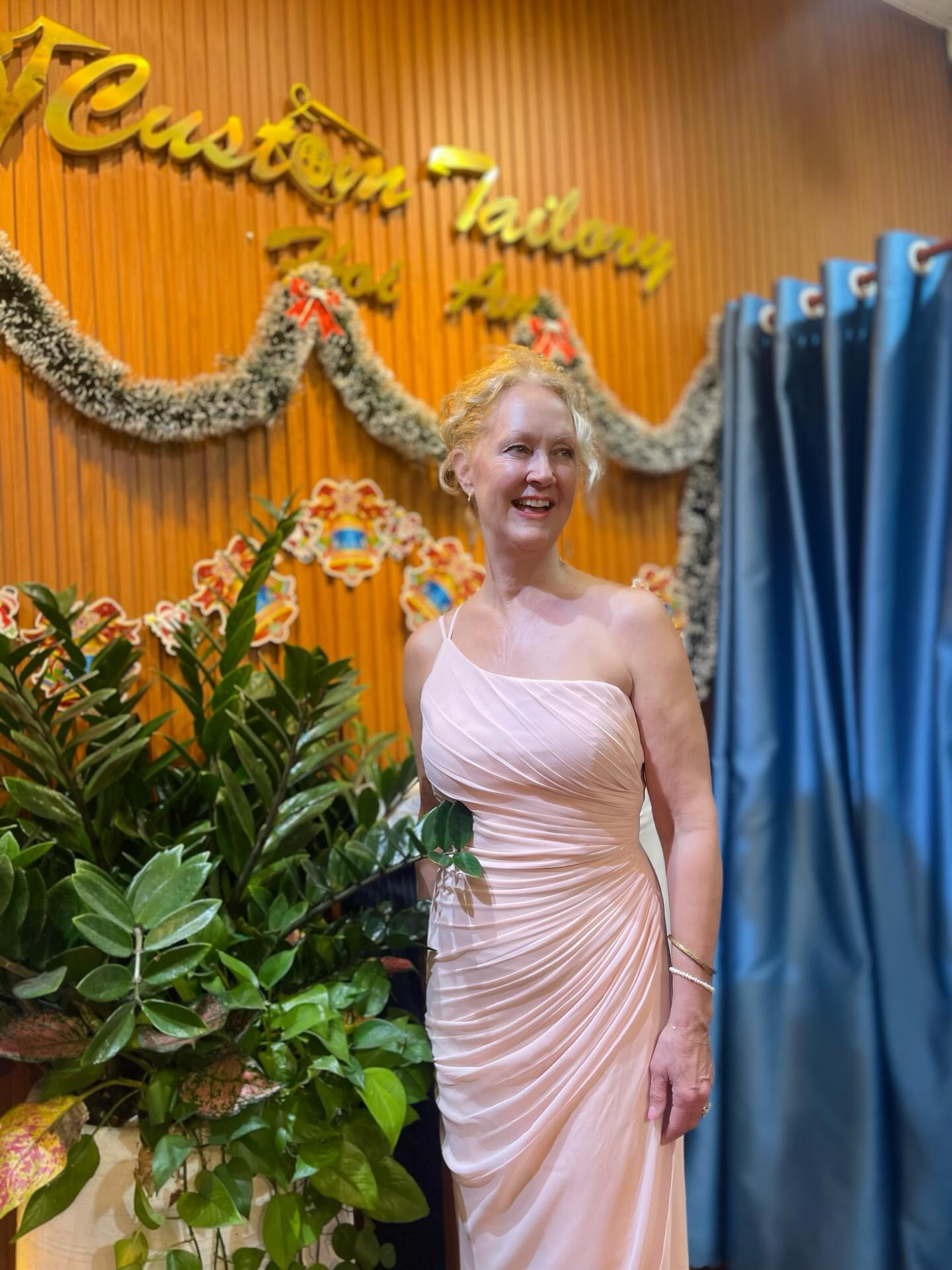
Prices can vary widely because of differences in fabric quality, number of fittings, construction style, and internal finishing. Comparing only total price is not enough. You should compare by components: what fabric, what lining, whether there is full fusing or more structured construction, and how many fittings are included.
A clear quote helps you understand what you are paying for and avoid extra charges. It is also a practical way to filter shops that work transparently.
Below are criteria you can use when asking for quotes.
5.1. Factors that increase or decrease price
Fabric is the biggest factor. Other factors include design complexity, details like pockets, vents, lapels, collar style, and special adjustments for unique body shapes. Rush timelines can also affect price because the shop needs to prioritize labor and fitting slots.
Some guides about suit pricing also note that the cost depends on fabric, process, and fitting count, not only the shop name. You can use these factors to ask follow-up questions when a shop quotes a price.
5.2. How to read a quote and compare on the same standard
When you receive a quote, ask clearly: which fabric tier it is, full lining or half lining, true made-to-measure or pattern-based adjustments. For suits, also ask how the shoulders are handled and whether there is full fusing or a different internal structure.
Ask whether the price includes fittings and alterations. If a quote is low but includes only 1 fitting for complex garments, the risk becomes hidden “alteration cost” or “wearing cost” because the garment may not fit properly.
5.3 Tips to avoid extra charges and misunderstandings
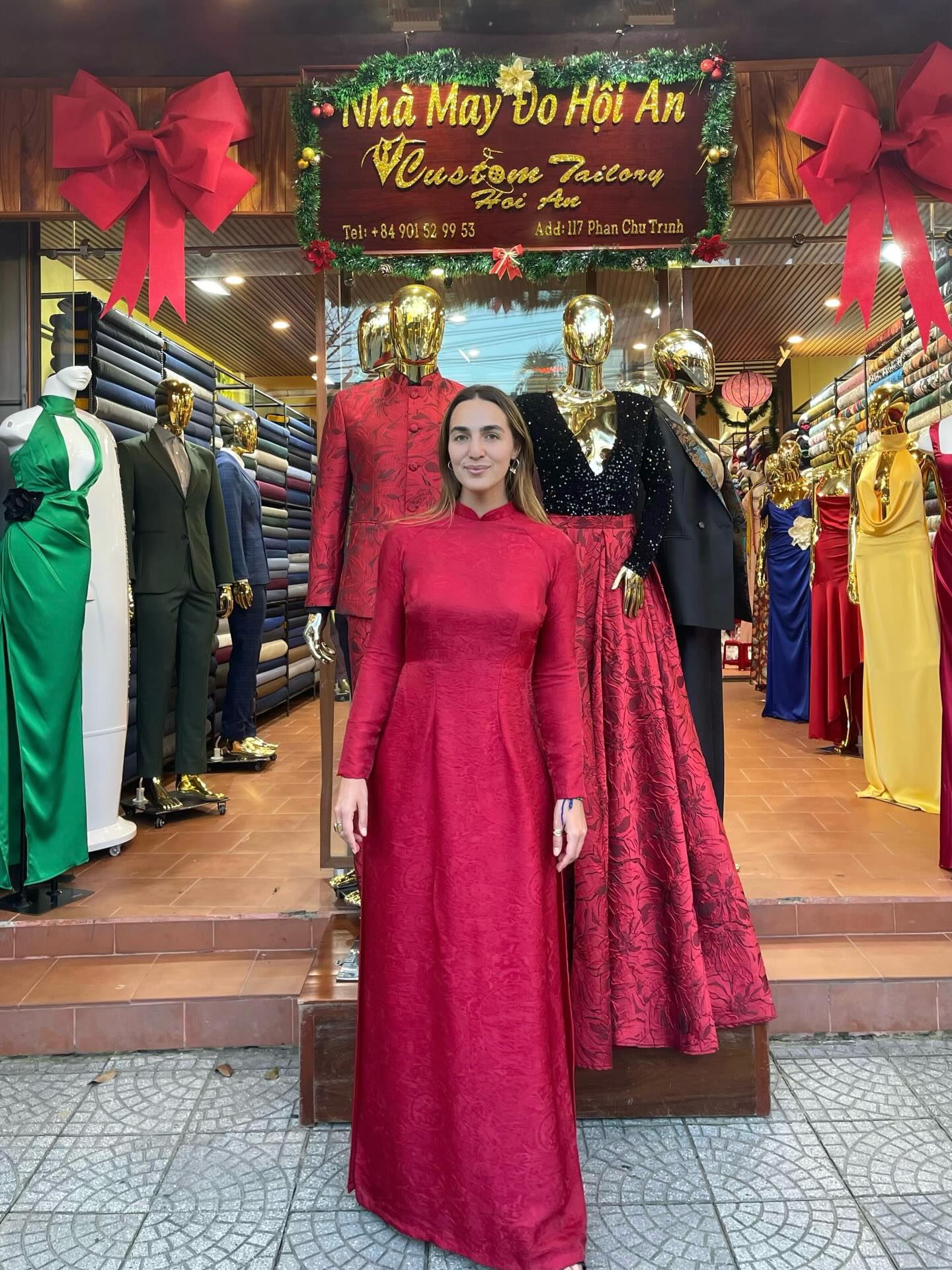
Before leaving a deposit, confirm the fitting schedule by day and time, especially if you have tours planned. Take a photo of the order slip and your key preferences such as waist fit, leg width, sleeve length. Clear notes make alterations faster and reduce disputes.
If you want extras such as changing lining fabric, adding hidden pockets, or changing button style, ask for the extra cost before they proceed. This keeps your budget controlled and avoids surprises at pickup.
A reasonable price is not the lowest price. When looking for the best tailor in Hoi An, compare quotes by components and process: fabric, construction, fitting count, and finishing. Doing this helps you buy the right value and reduces the risk of unexpected costs.
👉🏻See more: https://customtailoryhoian.com/vi/custom-tailor-hoi-an-ve-trai-nghiem/
6. Tips for tailoring when you only have 2-5 days in Hoi An
Your stay duration determines what you should order and what quality level you should expect. Basic items can be done quickly, but complex garments need a proper fitting schedule.
Many travel guides mention that 24 hours can work for simple items, while suits or detailed pieces should allow a few days for adjustments. To find the best tailor in Hoi An on a short schedule, prioritize shops with clear fitting steps and fast, accurate alterations.
Plan from day 1: visit the shop, confirm the design and fabric as early as possible. Do not leave it to the last day, because you may not have time for extra corrections. When choosing the best tailor in Hoi An, ask about completion time, number of fittings, and how they handle last-minute adjustments before your departure.
Below are sample schedules and a practical checklist you can use immediately, so you can choose the best tailor in Hoi An based on your stay timeline.
6.1. Two-day sample schedule for basic items
Day 1, visit in the morning or early afternoon to confirm design, choose fabric, and take measurements. Schedule the first fitting on Day 2 morning. For simple shirts, trousers, and basic skirts, check key points and request adjustments immediately. If you travel for a short time, this helps you filter the best tailor in Hoi An by real speed and alteration quality.
Day 2, return for pickup in the afternoon or evening depending on progress. If the shop can adjust on-site within 1-2 hours, it is better to wait and collect the final piece, rather than discovering issues after leaving. The best tailor in Hoi An usually can fix small issues like hems, waist ease, and sleeve length on pickup day.
6.2 Three to five-day sample schedule for suits and detailed dresses
Day 1 confirm design, fabric, and measurements. Day 2 do the first fitting to catch major shape issues. Many fast workflows schedule the first fitting after 12-24 hours, then adjust and continue finishing. For suits and detailed dresses, following the schedule helps you evaluate the best tailor in Hoi An by how they adjust shoulders, collar, chest, waist, and drape.
Day 3 or Day 4 do the next fitting for fine adjustments. Day 4 or Day 5 do pickup and final checks. This schedule leaves room to correct small issues without rushing. If the shop reminds you of fitting times and records changes after each fitting, it is a sign of the best tailor in Hoi An with a professional process.
6.3. What to prepare before visiting the shop to save time
Prepare 2-3 reference photos showing front and side views, with notes on what you like. If you regularly wear high heels or dress shoes for work, bring them so the tailor can set the correct trouser hem or dress length. Good preparation makes it faster to work with the best tailor in Hoi An and reduces repeated adjustments.
Wear fitted clothing for measurements so the tailor can see your body shape more accurately. If you have a garment that already fits you very well, you can bring it for reference, but the tailor should still take fresh measurements. When you provide clear references and wearing habits, the best tailor in Hoi An can cut more accurately from the start and shorten fitting time.
6.4 Fitting checklist so you do not miss issues
When trying on a top, stand straight, raise your arms, sit down, and rotate your body. Check whether the shoulders are balanced, the collar gaps, and the back pulls or wrinkles. For trousers, take long steps, sit on a low chair, and check whether the crotch pulls and the knees puff.
Explain your feeling clearly: where it feels tight, where it presses, and how much extra room you want. Specific feedback helps accurate alterations instead of guesswork.
If your schedule is short, you can still find the best tailor in Hoi An by choosing the right garment type based on days, confirming design early, and attending fittings on time. Two days works for basics, while 3-5 days is better for complex garments that need enough adjustments. Following the checklist reduces errors and helps you receive clothing that truly fits.
👉🏻See more: https://customtailoryhoian.com/vi/custom-tailor-hoi-an-ve-trai-nghiem/
Conclusion
The best tailor in Hoi An is not only about recommendations, but about how clearly the shop defines your needs, suggests suitable fabric, schedules enough fittings, and gives transparent pricing. When comparing, prioritize how the garment behaves when you move, shoulder balance, waist shaping, and internal finishing to recognize the best tailor in Hoi An based on real quality.
If you still have questions or need advice on choosing a design, selecting Custom Tailory Hội An fabric, and planning fittings, please contact Custom Tailory Hội An if you plan to place an order, so you can get clear guidance and choose the best tailor in Hoi An while reducing the need for corrections after pickup.
📍 Address: 117 Phan Chu Trinh, Hoi An, Da Nang – Google Map
📞 Hotline: 0901 529 953
🌐 Fanpage: Customtailory Hội An
🌐 Website: https://www.customtailoryhoian.com/