A Vietnam Tailor in Hoi An often serves made-to-measure needs on a short schedule, with a focus on fit and practical wear. This article explains the local tailoring context in the Old Town, common orders like suits, ao dai, shirts, and trousers, and a clear process to follow: fabric selection, design confirmation, measuring, fitting, alterations, and final pickup. In this article, Custom Tailory Hội An will summarize evaluation criteria and common mistakes so you can avoid wrong fit and wrong fabric.
1. Vietnam Tailor And The Tailoring Context In Hoi An
Hoi An is an old town shaped by trade and tourism, so local craft services have had room to grow over time. Within that landscape, tailoring follows real needs: everyday clothing, workwear, and outfits for important occasions. A Vietnam Tailor in Hoi An often works with many body types and style preferences, so advice usually focuses on how you will wear the garment and how fast you need it.
Today, a Vietnam Tailor in Hoi An is often mentioned for the ability to deliver made-to-measure within a short travel schedule. Many shops organize work by steps such as measuring, cutting, sewing, and finishing, which can produce garments in a few days when the design is not too complex. Even so, a Vietnam Tailor still needs time for at least one fitting to lock key points like shoulders, armholes, collar balance, and length.
To understand the real value of the service, it helps to look at two parts: what you are ordering and the process that makes it fit correctly. The next sections cover common services and how to confirm requirements clearly.
2. Services A Vietnam Tailor In Hoi An Commonly Makes
Common services include suits, blazers, trousers, shirts, dresses, and garments made from reference photos. The main difference between made-to-measure and altering ready-to-wear is that the tailor drafts a pattern from your measurements, then adjusts it through fittings to match your body. When working with a Vietnam Tailor, treat fit as the first priority, while style details come second based on your preferences.
Beyond officewear, many visitors order ao dai or modernized traditional styles. If you need an outfit for a specific event, prioritize items with clear measurable points like jackets, trousers, and shirts because they are easier to check during a fitting. A Vietnam Tailor works fastest when you keep changes minimal, state your priorities clearly, and leave enough time for a fitting.
Below are key product groups and the main points to confirm early to avoid misunderstandings.
2.1. Vietnam Tailor Made-To-Measure Suits And Blazers
With a suit, quality shows in shoulders, chest shape, waist suppression, and how the body drapes. When you discuss the order, ask for the jacket silhouette (regular, slim, relaxed), shoulder padding level, chest structure level, lapel type (notch, peak), and jacket length. A Vietnam Tailor can match your expectations better when you explain the use case, such as work, a formal dinner, or a wedding photoshoot.
In Hoi An, some shops can complete a simple design in 24 to 48 hours, but speed does not replace fitting and adjustments. If you are short on time, choose fabrics that are easier to handle, reduce complex details, and accept at least one fitting to lock shoulders, sleeve balance, and collar. For a Vietnam Tailor, the first fitting is where major issues are caught early, which reduces heavy rework at the end.
2.2. Vietnam Tailor Made-To-Measure Shirts And Trousers
For a shirt, confirm collar style, chest ease, upper arm width, and sleeve length based on how you normally wear it, including rolling sleeves or wearing a watch. Bring a best-fitting shirt so the Vietnam Tailor can compare proportions, and say whether you usually tuck in or wear it untucked. This helps the tailor control ease at the chest, back, and waist without guessing.
For trousers, confirm rise (high or mid), leg shape (straight or tapered), and the hem length over your shoes. During fitting, sit down and take a few steps to check seat tightness, knee creasing, and thigh comfort. A Vietnam Tailor can alter trousers efficiently if you describe the exact feeling, such as tight when sitting or pulling at the thigh when walking.
2.3. Vietnam Tailor Ao Dai And Traditional-Inspired Outfits
Ao dai is commonly worn for formal occasions and has different variations depending on style choices. When ordering, confirm collar shape, waist shaping, side slit height, sleeve length, and fabric choice for the weather so it does not feel too hot or lose shape. For a Vietnam Tailor, details like your event type and shoe choice help set correct length and drape.
Small measurement differences at bust, waist, and hips can create wrinkling at the panels or shift the side seams. That is why at least one fitting is usually needed to adjust shaping and flow. Also confirm the trousers fabric, thickness, and closures or neckline finishing so it stays comfortable when worn for hours. A Vietnam Tailor delivers better ao dai results when you allow time for fitting and give specific feedback.
Read more: https://customtailoryhoian.com/vi/bai-viet/
3. Vietnam Tailor Workflow For A Correct Fit
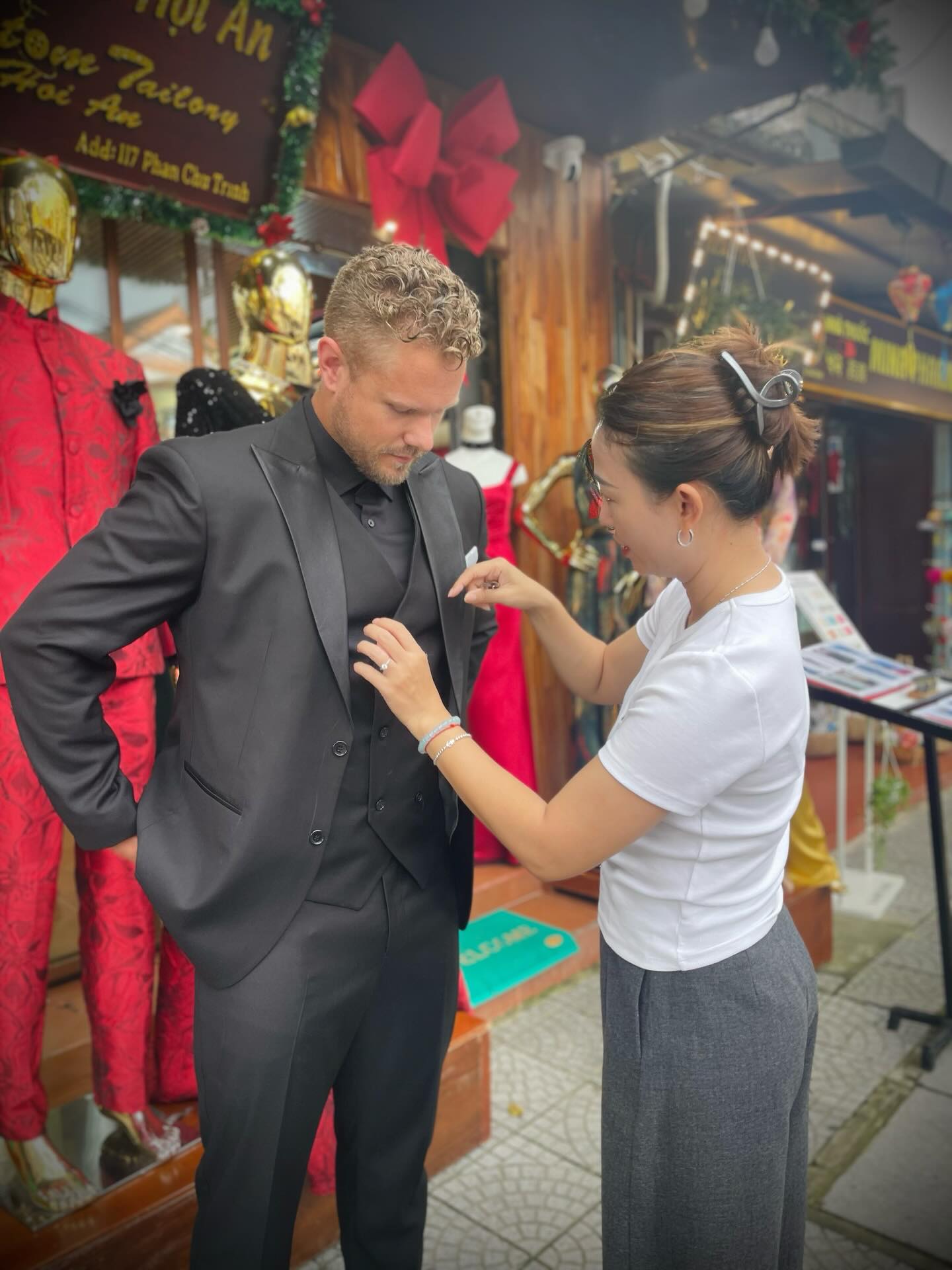
A clear workflow reduces mistakes and limits unexpected extra work. Whether you order a suit or ao dai, ask the shop to write down the design, fabric, color, details, fitting times, pickup time, and the alteration policy after pickup. When working with a Vietnam Tailor, these notes matter as much as measurements because they lock what you agreed to.
If you only have a few days in Hoi An, treat the process like a plan with time checkpoints. Some places work quickly, but quality depends on confirming decisions early and keeping time for fitting. A Vietnam Tailor can move fast when everything is clear, while vague choices increase the risk of wrong fit or wrong details.
Below is the recommended step order so the tailor does not need to guess.
3.1. Fabric Selection And Design Confirmation Before Measuring
When selecting fabric, ask about fiber content (wool, cotton, linen, polyester, blends), thickness, stretch, and wrinkle level. In hot and humid weather, breathable lighter fabrics are often more comfortable, but if you want a sharper structured look you may need a fabric that holds shape better. A Vietnam Tailor can advise correctly when you state whether you prioritize coolness, fewer wrinkles, or stronger structure.
For design confirmation, bring at most two reference photos and separate non-negotiables from flexible details. Non-negotiables might be a wider lapel, two buttons, or flap pockets, while flexible details might be lining color or inner pocket style. When a Vietnam Tailor knows what must not change, the cutting stage becomes safer and more consistent.
3.2. Measuring And Notes Based On How You Wear Clothes
Measurements are not only chest, waist, and hips, but also shoulder slope, back curve, shoulder height, and posture. Stand naturally as you do every day, without pulling in your stomach or over-straightening your back, because that can create tightness in real wear. A Vietnam Tailor may measure quickly, but you can request a re-check if your stance did not feel natural.
Explain how you typically wear the garment: slim or relaxed, frequent arm movement, riding a motorbike, office work, or attending events. This helps the tailor add functional ease at shoulders, armholes, hips, and thighs so it feels comfortable for long wear. For a Vietnam Tailor, comfort is part of fit, not a separate extra.
3.3. Fitting Session And How To Give Useful Feedback
During fitting, check three angles: front, side, and back. For jackets, check shoulder smoothness, collar contact at the neck, sleeve twist, and lapel roll. For trousers, check thigh wrinkles, seat comfort when sitting, and how the leg falls when you walk. A Vietnam Tailor can adjust faster when you point to the exact area causing discomfort.
Give feedback in specific terms rather than general statements. Examples include armhole tight when raising arms, right sleeve twisting, back waist gap, or trouser hem hitting the shoe too much. Then ask whether the change is done by adjusting the pattern or only altering seams, so you understand how complete the fix will be. For a Vietnam Tailor, clear feedback usually means fewer repeat fittings.
4. How To Choose A Reliable Vietnam Tailor In Hoi An
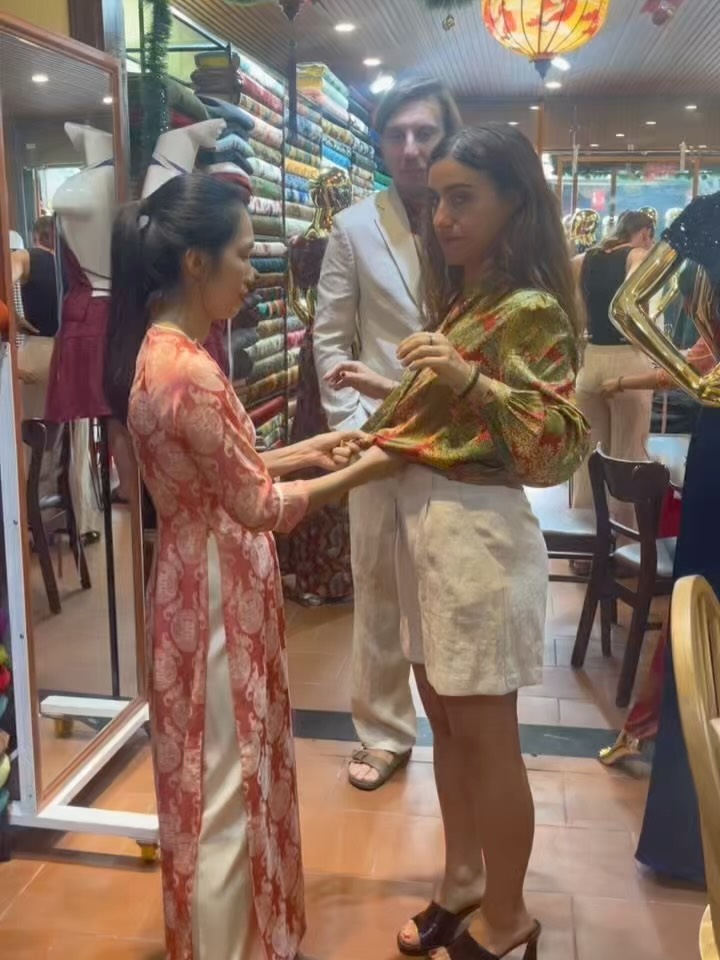
Reliability is not about slogans, but about process control and responsibility for alterations. Evaluate by looking at finished samples, how they advise based on your body shape, and how they record requirements in messages or an order note. When choosing a Vietnam Tailor, aim for a shop that explains clearly rather than only giving reassurance.
A good shop will confirm your priorities by asking back, such as whether you want cooler wear or stronger structure, whether it is for work or an event, and whether you need extra allowance for small weight changes. Those questions show they are fitting the garment to the wearer, not only cutting from numbers. For a Vietnam Tailor, this confirmation step reduces mismatch between your expectation and the final result.
Here are quick checks you can do inside the shop.
Read more: https://customtailoryhoian.com/vi/tailor-shop-hoi-an-bi-quyet-dang-chuan/
4.1. Check Finished Samples And The Inside Work
Ask to see a finished jacket or shirt sample, then check straight stitching, symmetry points, button placement, and clean inside finishing. If the inside work is tidy, it often shows stronger quality control even in places customers do not see. With a Vietnam Tailor, seeing samples helps you understand the shop’s finishing standard before you pay a deposit.
Also ask about alteration limits if sizing is off, such as how much can be let out or taken in, and which areas are hard to fix. A clear answer helps you judge real experience. A professional Vietnam Tailor usually explains limits directly instead of promising everything is always possible.
4.2. Fitting Schedule, Pickup Time, And Alteration Commitment
Confirm a schedule with clear checkpoints: measurement day, first fitting time, second fitting time if needed, and final pickup time. If you fly early, plan pickup at least 24 hours before departure so you have time for unexpected adjustments. For a Vietnam Tailor, a clear schedule helps prioritize your order and avoids rushed last-minute work.
Many shops can deliver in 1 to 3 days depending on design, but fitting time still matters. A realistic fast schedule is measure on day 1, fitting on day 2, pickup on day 3, rather than skipping fittings completely. If a shop suggests no fitting at all, consider the higher risk of shoulder, sleeve, or length issues.
5. Common Mistakes When Ordering And How To Avoid Them
The most common issue is correct measurements but the wrong silhouette. This often happens when the chosen style does not match your body shape, or when fittings are skipped for difficult areas like shoulders, collar balance, armholes, and trouser seat. When working with a Vietnam Tailor, prioritize fixing difficult points early because late changes are harder to correct cleanly.
To avoid problems, confirm priorities before cutting and use precise descriptions during feedback. Also try the garment in conditions close to real wear, such as with your usual shirt, belt, or shoes. A Vietnam Tailor can move quickly, but your feedback must be clear and focused.
Below are frequent issues and practical ways to handle them.
5.1. Jacket Shoulder, Collar, And Armhole Issues
If shoulders are too wide, the jacket can drop and create vertical wrinkles down the sleeve. If the back collar does not sit close to the neck, you may see a gap when viewed from the side. These problems are harder to fix fully once the cut is wrong, so the first fitting should focus on them. With a Vietnam Tailor, check shoulders first, then waist shaping and length.
You can ask the tailor to mark directly on the garment where changes are needed, such as shoulder reduction, collar adjustment, or armhole ease. Then ask whether the fix requires pattern adjustment or only seam tightening. If it is only seam tightening without a pattern correction, the issue may improve but not fully disappear. This question helps you see whether the Vietnam Tailor is solving the root cause or doing a quick patch.
5.2. Sleeve Length, Jacket Length, And Trouser Length Issues
Sleeve length depends on how you wear accessories. If you wear a watch, the sleeve should have enough clearance to avoid catching. For suits, the jacket sleeve is often set so a small part of the shirt cuff shows when standing, so try it with a shirt if possible. A Vietnam Tailor can set sleeve length more accurately when you describe your preferred cuff position.
Trouser length is best tested with the shoes you wear most. If you do not have them, describe heel height and shoe style (loafer, derby, sneaker) so the hem break is set correctly. Avoid finalizing trouser length while wearing thin sandals because it can shift the hem decision. Walk a few steps to check whether the hem rises too much during movement.
Read more: https://customtailoryhoian.com/vi/hoi-an-suit-tailor-nhung-loi-may-suit/
6. Vietnam Tailor Preparation Tips To Save Time
Good preparation reduces extra shop visits and increases the chance of getting the right fit at the first fitting. For travelers with a tight itinerary, preparation prevents rushed decisions in-store. When you meet a Vietnam Tailor, the clearer your inputs are, the smoother and faster the process becomes.
You only need about 15 to 20 minutes to prepare, but it can prevent common errors like choosing fabric too quickly, selecting a silhouette by feeling, or not confirming key details. A Vietnam Tailor works best when you provide basic information upfront and agree on how fit will be checked during fitting.
Below are simple steps to do before you go.
6.1. Bring A Best-Fitting Garment And Clear Reference Photos
Bring one item that fits you best (a shirt or trousers) so the tailor can compare proportions. Choose reference photos that show the front view clearly, including lapels, pockets, lengths, and overall silhouette. If possible, pick a model with a similar body type so the Vietnam Tailor can estimate ease and proportions more accurately.
When showing photos, point out three details you want to keep, such as a medium lapel width, two buttons, and flap pockets. Leave other elements for the tailor to adapt based on fabric and body shape, which reduces risk. This approach also avoids the “exact copy” expectation when fabric and body differences make exact matching unrealistic.
6.2. Confirm Budget, Timeline, And How You Will Receive The Garment
State your budget before cutting, and ask for a price breakdown: fabric, labor, lining, extra details, and rush fees if any. A breakdown makes it clear what drives cost and reduces payment misunderstandings. If you might change fabric after cutting, ask in advance about conditions and extra charges. A Vietnam Tailor will usually be more transparent when questions are specific.
For pickup and travel packing, ask how to fold or hang the garment and whether a suit bag is available. If you leave Hoi An early, ask about delivery options and what happens if you need adjustments after you depart. This gives you a backup plan if you notice a small issue after re-trying the outfit at your hotel.
Conclusion
A Vietnam Tailor in Hoi An offers strong hands-on skill and the ability to produce made-to-measure within a short itinerary, but results still depend on how you confirm fabric, silhouette, and fitting time. When you check samples, follow a clear measure-fit-alter process, and record your requirements in writing, the risk of wrong fit drops significantly.
If you still have questions or need advice, contact Custom Tailory Hội An for support on fabric choice, silhouette selection, and a fitting schedule that matches your travel plan. A Vietnam Tailor can deliver faster and more accurately when your inputs are clear from the start.
📍 Address: 117 Phan Chu Trinh, Hoi An, Da Nang – Google Map
📞 Hotline: 0901 529 953
🌐 Fanpage: Customttatailory Hội An
🌐 Website: https://www.customtailoryhoian.com/