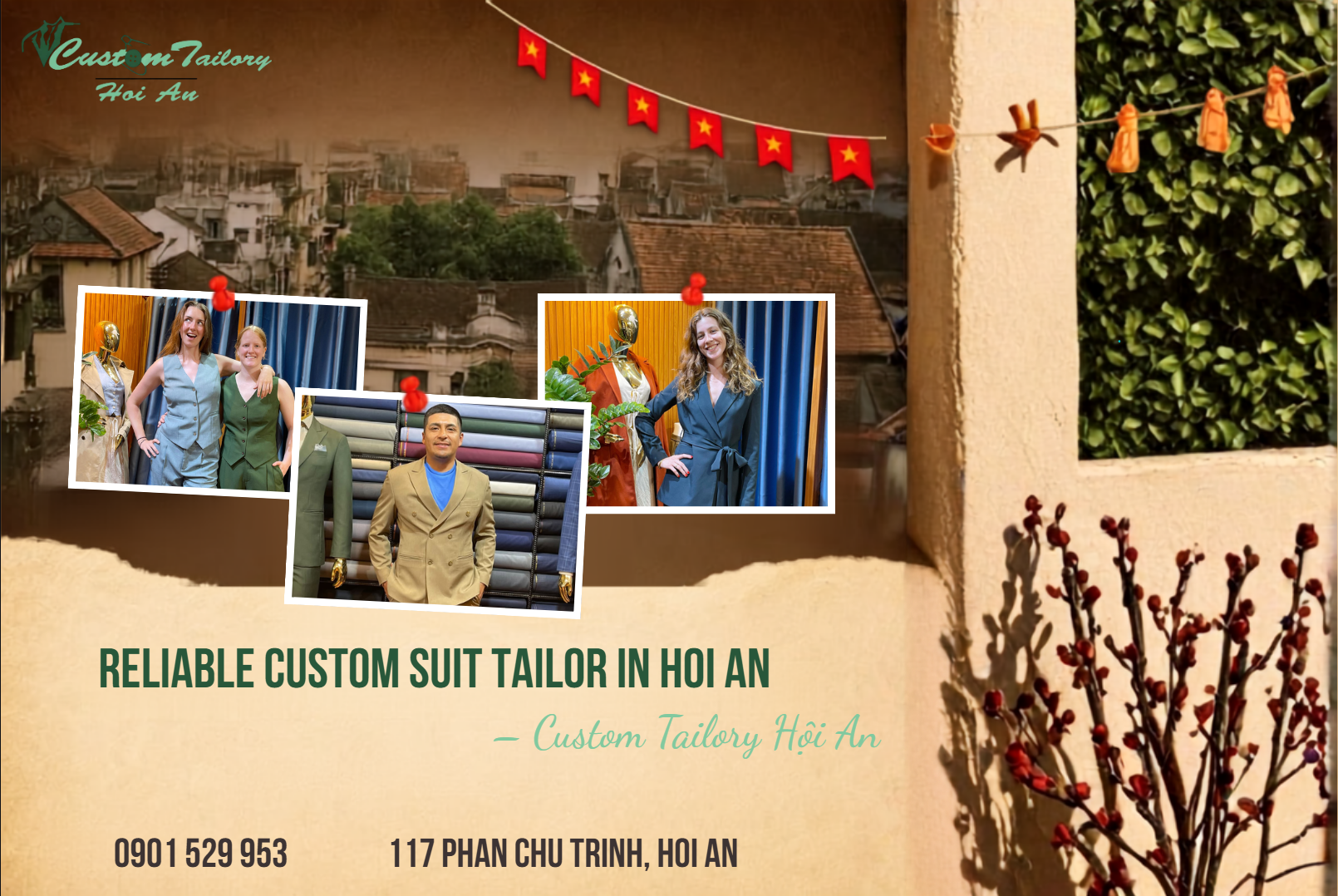
Tailor shop Hoi An services are popular for fast custom sizing and clear fitting steps. This guide explains how the process works from consultation to pickup. You will learn what to prepare, how many fittings are realistic, and what affects price.
It also covers fabric choices for hot weather, quality checks at fitting, and planning when you stay only a few days. In this article, Custom Tailory Hoi An will summarize a practical workflow you can follow.
1. Who A Tailor Shop Hoi An Is Best For

A tailor shop Hoi An is a good fit when you need clothing adjusted to your body, not just standard sizes. It works well for suits, shirts, trousers, dresses, and event outfits that must look clean and feel comfortable. If you have fit issues like sloping shoulders or uneven posture, made to measure helps reduce common problems. It also helps when you want a specific style and need guidance to match your build and schedule.
Before you start, decide the purpose, the deadline, and the level of formality you need. Bring 2-3 reference photos and note small details like lapel shape, pocket type, or sleeve length. Clear inputs reduce back and forth, which is important if you want a fast timeline. This preparation improves results at any tailor shop Hoi An.
2. Clear And Fast Tailoring Process
A professional tailor shop Hoi An usually follows a fixed flow from advice to delivery. A clear process tells you when to visit, what you must approve, and when fitting happens. It also makes changes easier to track if you switch fabrics, add details, or adjust the plan. The key point is to confirm major decisions before fabric cutting starts.
In this article, Custom Tailory Hoi An will describe a common workflow: consult, measure, choose fabric, fit, adjust, and finish. A first fitting checks the base fit, then a second fitting is used only if needed. Final steps include pressing, final inspection, and handover at the agreed time. The sections below break down each step so you can check quality in a simple way.
Next, review the core steps in order. Each step has a goal and a quick way to verify accuracy.
2.1. Step 1 Consultation And Style Alignment

Explain where you will wear the outfit, such as office, wedding, dinner, or photos. Each use case changes the best fit level, jacket length, shoulder structure, and fabric weight. Share your references and ask the tailor to confirm what will be kept and what will be adjusted for your body. A good tailor shop Hoi An should explain trade offs in plain terms.
Confirm small details early, such as buttons, vents, pockets, cuffs, and lining. These details affect both cost and timing because they add work and sometimes need extra materials. If you need fast delivery, avoid changing the design after cutting starts. Late changes often cause extra fittings and delays.
2.2. Quick Checklist For Consultation
Confirm the outfit type, the target fit, and the deadline before you approve cutting. Confirm key details like lapels, vents, pockets, and trouser break with a simple written note. Confirm what is included in the quote, including fittings and minor adjustments.
Confirm the fitting time and pickup time on the same day you place the order.
Ask how many fittings are planned and what happens if you need one more. Ask what details are hard to change later, especially for suit shoulders and jacket length. Ask what fabric options match hot weather and long wear. Ask the tailor to repeat your priorities to avoid misunderstandings.
2.3. Step 2 Measurements And Base Fit
Measurements include more than chest, waist, and hips. They usually include shoulder width, sleeve length, jacket length, posture, and balance. Stand naturally and tell the tailor if you have a forward head, rounded back, or uneven shoulders.
Some tailor shop Hoi An teams also ask whether you prefer slim, regular, or relaxed comfort.
After measuring, confirm the target fit using clear terms: slim, regular, or relaxed. If you wear thick undershirts, belts, or specific shoes, mention it before fitting plans are set. For suits, shoulder and chest structure are the hardest to change later.
A correct base fit reduces the number of fittings and risk.
2.4. What To Bring For Accurate Fit
Bring the shoes you plan to wear, or a similar pair, to set correct trouser length. Bring a shirt type you will wear under the jacket, especially if it is thick or structured. Bring your reference photos on your phone so both sides can point to exact details.
Bring a short note of your comfort needs, such as room for movement at the arms.
Wear a simple outfit for measuring so posture is easy to read. Avoid tight clothing that forces posture or changes your natural shoulder position. If you have an old suit that fits well, bring it for quick comparison. This saves time at a tailor shop Hoi An and reduces guesswork.
2.5. Step 3 Fabric And Trims Selection
When choosing fabric, ask about thickness, stretch, wrinkle behavior, and breathability. Hoi An can feel hot, so very thick fabric may feel heavy during walking and travel. If you will wear the outfit for hours, choose a balanced fabric that holds shape without trapping heat. A good tailor shop Hoi An should let you compare similar options by touch and drape.
Trims like buttons, lining, and zippers affect durability and comfort. For suits, lining and internal structure influence how the jacket stands and how it moves. Ask the shop to write down fabric and trim choices in the quote to avoid confusion. Clear notes help you check the final item at pickup.
2.6. Fabric Questions That Prevent Mistakes
Ask whether the fabric is suitable for heat, indoor air conditioning, or mixed conditions. Ask how easily it wrinkles after sitting, folding, or travel packing. Ask how the fabric should be cleaned, such as dry clean or gentle wash where applicable.
Ask what happens if your chosen fabric runs out mid order.
Ask what lining type is used and whether it adds warmth. Ask if the fabric has any stretch and where it helps, like trousers or fitted jackets. Ask for a sample to compare under natural light, not only indoor lighting. These checks help you choose well at a tailor shop Hoi An.
2.7. Step 4 Fitting, Adjustments, And Final Check
At the fitting, test fit in movement, not only standing still. Raise arms, sit down, take long steps, and turn your torso to check tension points. Check shoulders, chest, waist, hips, sleeve length, and trouser length in that order. This method helps you give clear feedback at a tailor shop Hoi An.
When you request changes, describe the exact feeling and location. Say things like tight at bicep, pulling at back, or excess fabric at waist. If time allows, do a second fitting after adjustments for confirmation. A final check before finishing reduces last minute issues.
2.8. Pickup Inspection In 3 Minutes
Check seams for even stitching and no visible pulling at joins. Check buttons, buttonholes, and zippers for smooth function and secure attachment. Check lining for twisting or bunching when you move. Check pressing and shape, especially lapels, collar, and trouser crease.
Try the full outfit once more before you leave the shop. Walk, sit, and move your arms to confirm comfort and fit stability. If you find a problem, fix it while you are still in town. That is the safest approach at any tailor shop Hoi An.
Read more: https://customtailoryhoian.com/vi/hoi-an-tailor-khi-may-do-tro-thanh-ky-uc/
3. Realistic Turnaround Time In 1 To 3 Days
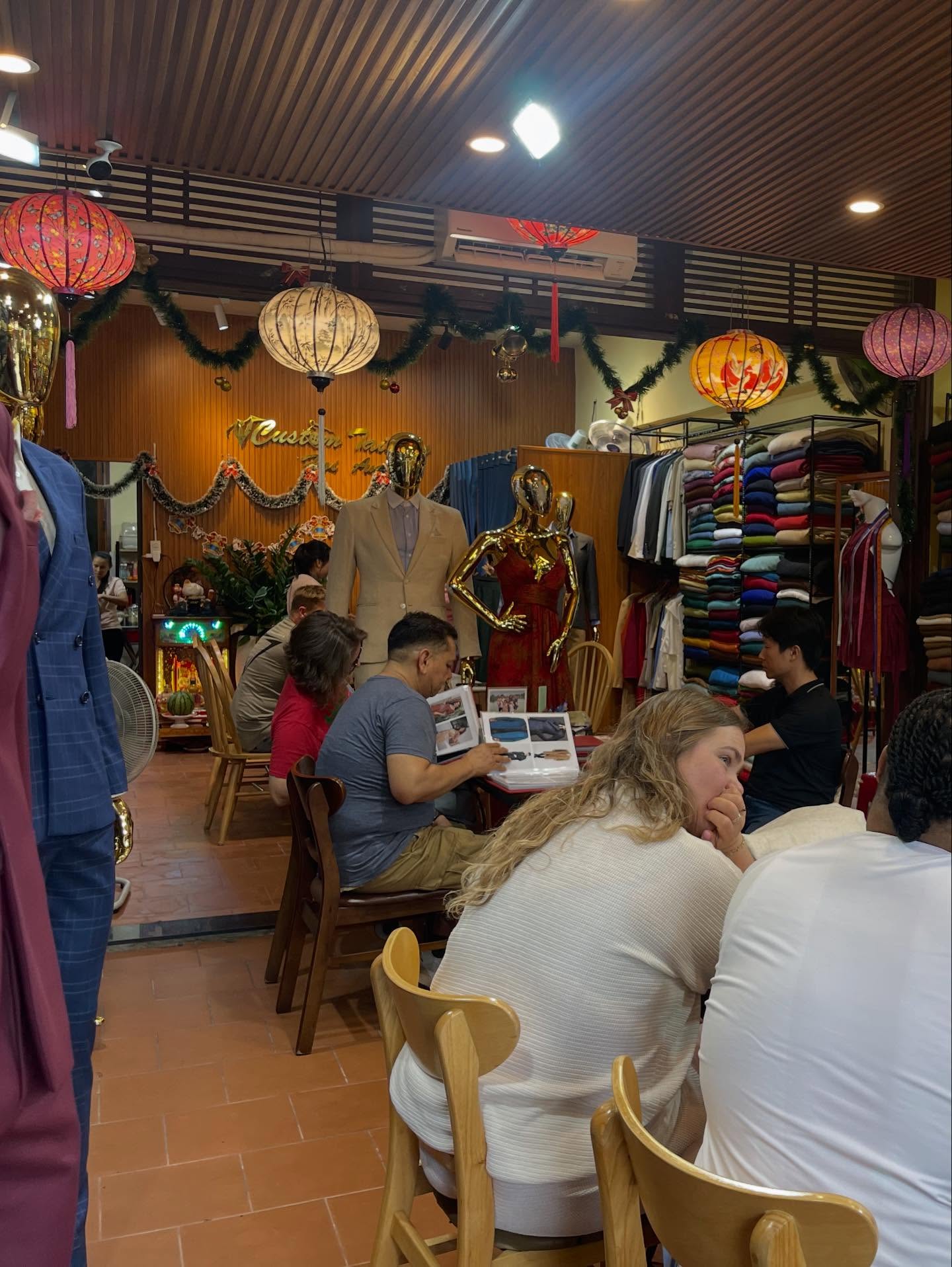
Many people choose a tailor shop Hoi An for fast service, but timing depends on design and workload. Simple pieces usually finish sooner because they need fewer structure steps and fewer revisions. Structured suits, special linings, or complex dresses often require more time and careful fitting. Always confirm fitting and pickup times before you commit.
If you need speed, schedule measurement on day 1 as early as possible. Lock the design and fabric choice before cutting to avoid delays. Ask the shop to explain what is realistic for your timeline, not what sounds ideal. A clear plan prevents last minute compromises.
3.1. Sample Schedules For 1, 2, And 3 Days
For 1 day, the safest option is simple items or minor alterations on ready pieces. If making new items, you may need to accept fewer fittings and basic design. For 2 days, a common plan is measure and cut on day 1, then fitting and adjust on day 2. For 3 days, you can add a second fitting to improve accuracy.
Timing also depends on the shop schedule, especially during peak travel seasons. Confirm your fitting slot and keep it fixed so the work flow stays on track. Leave buffer time before departure in case small adjustments are needed. This helps you avoid rushing at a tailor shop Hoi An.
3.2. Common Reasons Orders Run Late
Late changes in design, fabric, or details are a main cause of delays. Another cause is many urgent orders at the same time, which compresses the fitting schedule. Complex add ons like embroidery or rare trims can also slow down completion. Ask early which extras affect time the most.
To reduce risk, finalize decisions at consultation and keep notes in one message thread. Confirm all details again before cutting starts. If your travel plan changes, notify the shop quickly to reschedule fittings. Clear communication keeps service fast at a tailor shop Hoi An.
4. Pricing And How To Read A Quote
Prices at a tailor shop Hoi An vary mainly by fabric, structure, and workmanship time. Two suits can look similar but differ in internal structure, lining, and finishing steps. To compare fairly, ask for an itemized quote that lists fabric and included services.
This prevents misunderstandings when you return for fitting.
Also confirm the adjustment policy and how many fittings are included. Ask whether urgent timelines add a fee and what the conditions are. Get the quote in writing with fabric name and key details. A clear quote helps you control budget during tailoring.
4.1. What Changes Cost The Most
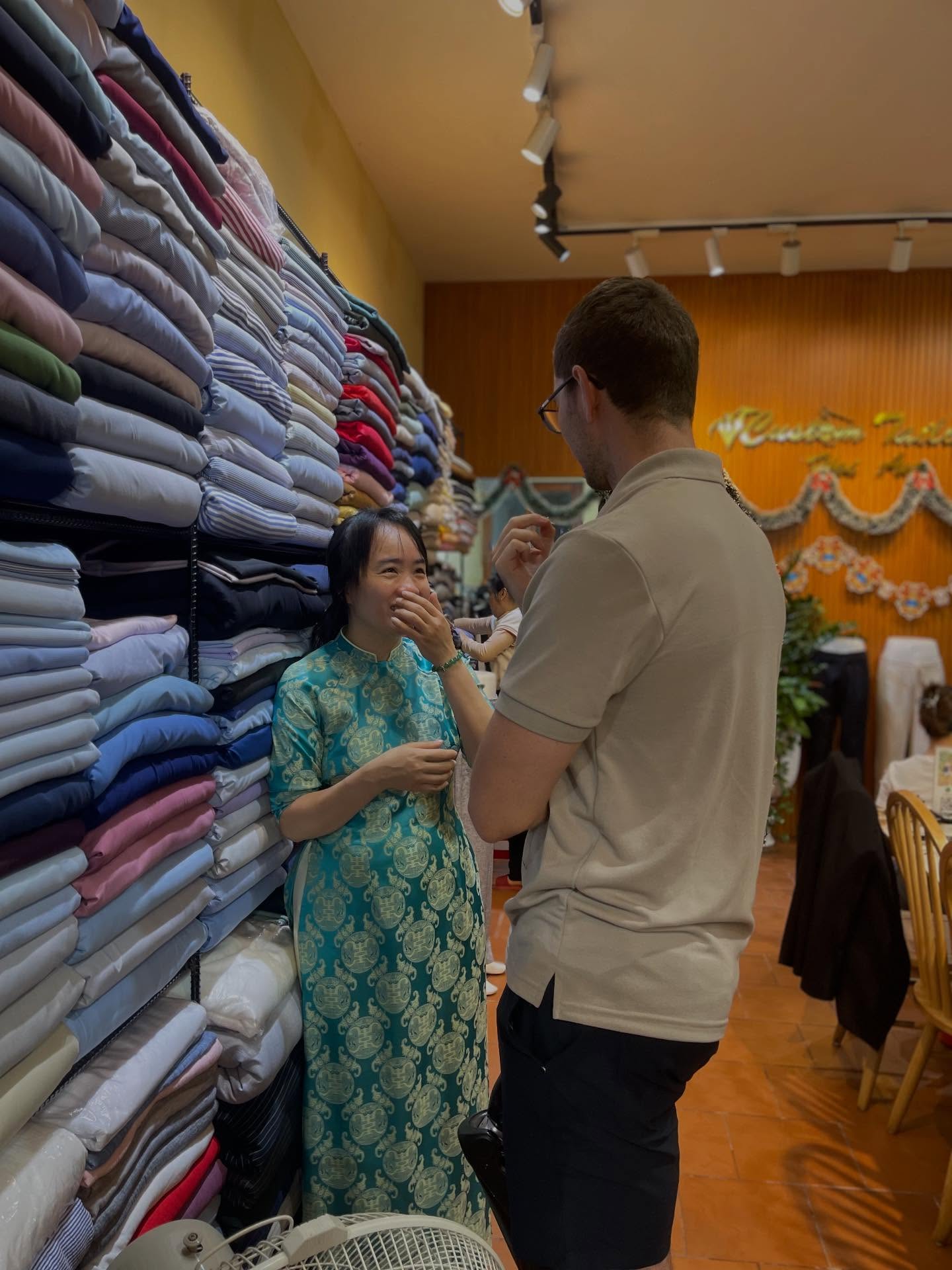
Fabric quality and type often change cost more than any single detail. More structure in jackets, more lining, and more hand finishing add time and raise price. Extra features like special pockets, vents, and custom lining patterns also add cost.
Urgent work can raise cost because it forces priority scheduling.
If you want value, choose a design you will wear often and a fabric that matches your climate needs. Avoid paying for features you do not need for your real use case. Ask the shop to show 2-3 price options side by side. This makes decision making easier at a tailor shop Hoi An.
4.2. How To Avoid Hidden Fees
Ask what is included: fabric, lining, buttons, fittings, pressing, and minor adjustments. Ask what triggers extra charges, such as changing fabric after cutting or adding extra details later. Confirm whether delivery or shipping is available and how it is priced.
Keep all approvals in one place to reduce confusion.
If you plan to leave soon, confirm how post departure fixes are handled. Some shops can guide adjustments elsewhere, but policies differ. Clarify this before you pay the full amount. That clarity protects you at a tailor shop Hoi An.
Read more: https://customtailoryhoian.com/how-much-for-a-suit-in-hoi-an-expense/
5. Tips For Short Stays In Hoi An
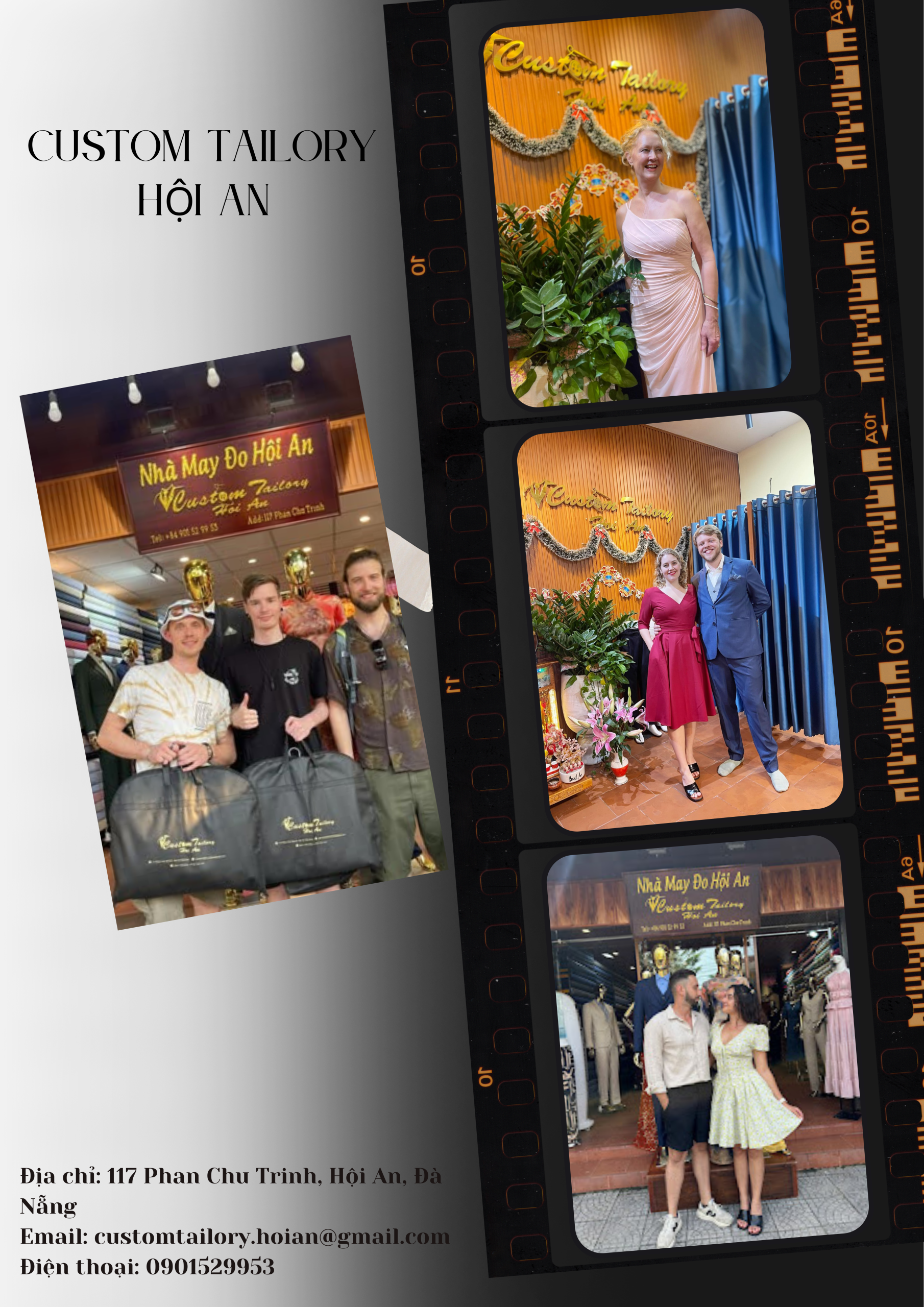
If you stay a short time, book early and measure on the first morning if possible. Bring your reference photos and the shoes you plan to wear. Choose a simple design and avoid last minute changes to protect the timeline.
This increases the chance of a smooth result.
Keep a final buffer window before departure for pickup and last checks. Try the outfit on at pickup instead of taking it packed immediately. If a small fix is needed, doing it on the spot is faster. This approach works well at any tailor shop Hoi An.
Conclusion
A tailor shop Hoi An service works best when you prepare references, confirm design choices early, and follow a clear fitting schedule. Focus on the key steps: consultation, accurate measurements, fabric selection, fitting checks, and a final inspection before pickup. A realistic timeline and itemized quote help you avoid delays and extra costs. If you still have questions or need advice, contact Custom Tailory Hoi An to get guidance based on your travel dates, outfit type, and budget.
📍 Address: 117 Phan Chu Trinh, Hoi An, Da Nang – Google Map
📞 Hotline: 0901 529 953
🌐 Fanpage: Customttailory Hội An
🌐 Website: https://www.customtailoryhoian.com/